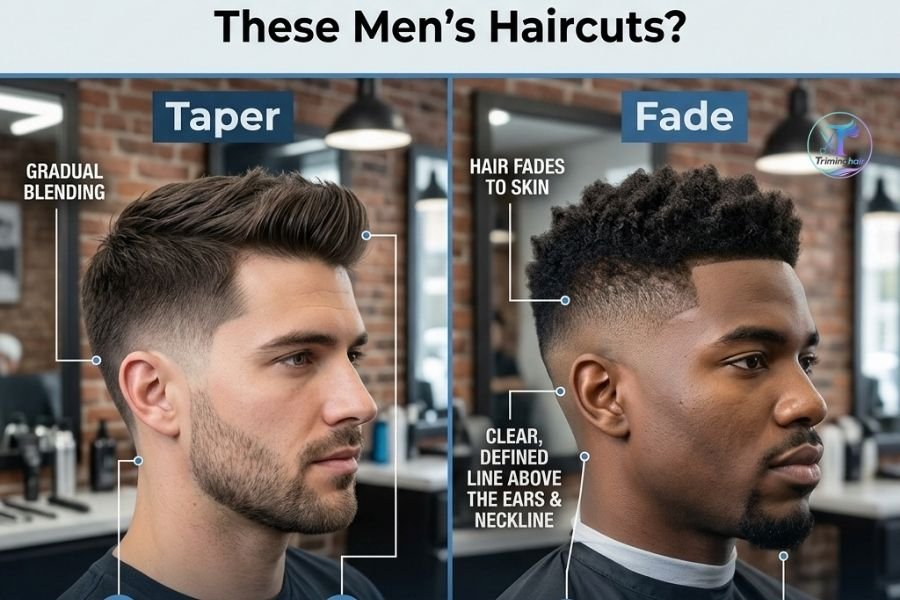
Walk into any barbershop and you’ll likely hear the words “taper” and “fade” thrown around constantly, often as if they mean the same thing. While both techniques involve gradually shortening hair toward the edges, they create very different levels of contrast and require different amounts of upkeep. Understanding the distinction can make it much easier to explain exactly what you want in your next chair visit.
In this guide, we’ll break down what a taper is, what a fade is, and how the two compare side by side. We’ll also cover some common variations, offbeat meanings of these words outside of grooming, and practical tips to help you decide which style fits your hair type, lifestyle, and maintenance routine.
What Is A Taper?
A taper is a haircut technique where the hair gradually shortens as it moves down toward the neck, ears, and sideburns. Unlike a dramatic style change, a taper creates a smooth, subtle transition that keeps more length on top while trimming the edges close to the skin. It’s one of the most requested finishing touches in modern barbershops because it works with almost any hairstyle.
Because a taper is more of a blending technique than a standalone style, it can be applied to short crops, medium lengths, or even longer hairstyles like curls and waves. The gradual shift in length gives the haircut a clean, polished look without looking overly cut or severe, making it a versatile choice for both casual and professional settings.
Taper Fade
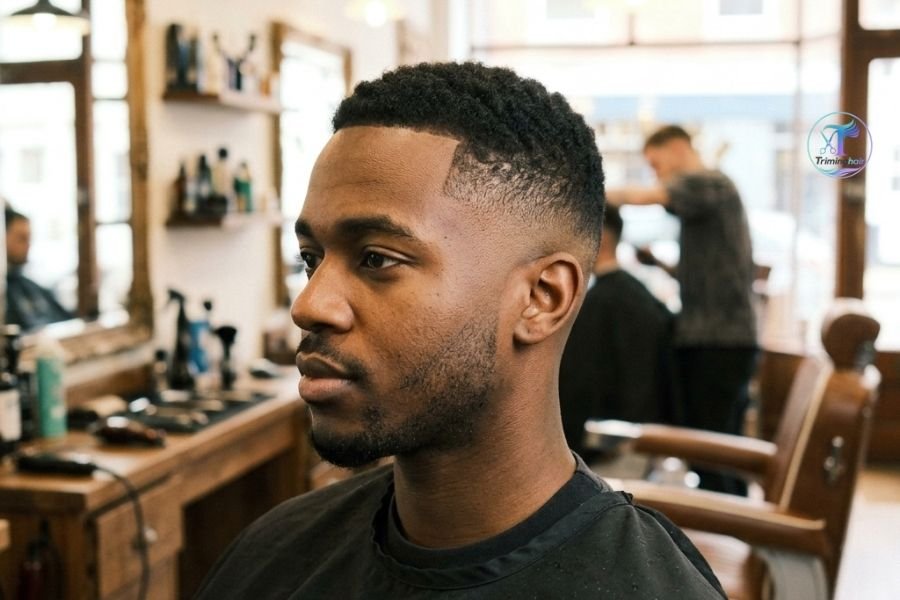
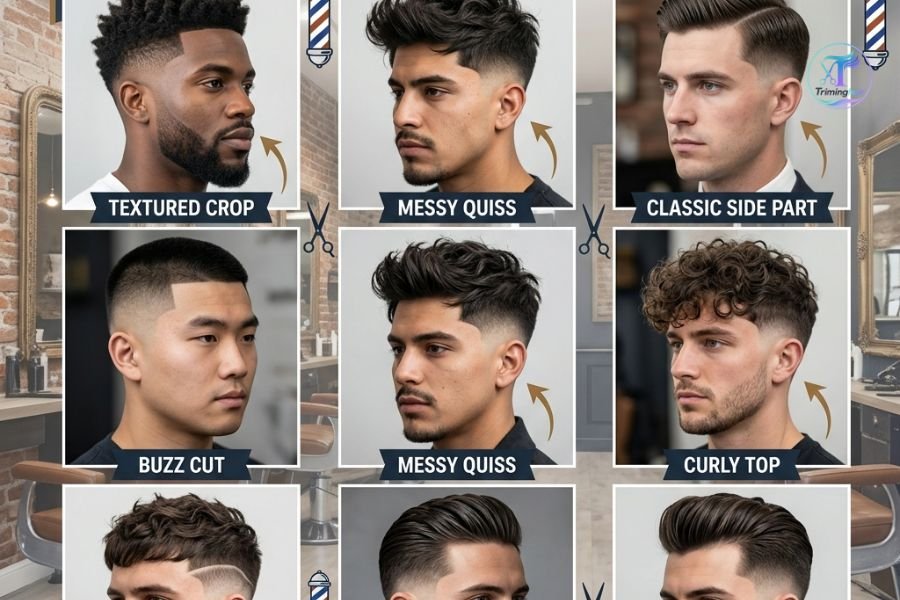
A taper fade combines the gradual blending of a taper with the shorter, sharper cut of a fade near the hairline. This style typically keeps more length at the top and blends it smoothly into a closely cropped fade around the ears and neckline. It’s a popular hybrid because it offers the best of both worlds: definition and subtlety.
This combination has become a go-to choice for men who want a modern, low-maintenance look that still feels intentional. The taper fade works especially well for professional environments since it’s neat and structured, yet it can also be styled edgier with added texture or a hard part for a more casual vibe.
Low Taper
A low taper keeps the fading and blending confined to the lower portion of the head, typically starting just above the ears and around the neckline. This creates a subtle transition that leaves most of the hair length untouched, offering a more conservative and understated version of the classic taper.
This style is often favored by men who want a neat, professional appearance without a bold or high-contrast look. Because the fading starts so low, it grows out gracefully and requires less frequent barbershop visits compared to higher, more dramatic tapers.
Taper Black
When people search “taper black,” they’re usually referring to taper haircuts styled specifically for Black men’s hair textures, which are often coily or curly. These cuts are tailored to work with natural hair patterns, using techniques that maintain shape and volume on top while creating crisp, clean lines around the edges.
Barbers skilled in cutting textured hair often pair a taper with designs, sharp edge-ups, or waves to enhance the overall look. This style has become especially popular because it highlights natural texture while still offering the structured, groomed appearance that a taper is known for.
Taper Meaning in Fitness
In a fitness context, “taper” refers to a completely different concept: a planned reduction in training volume and intensity before a major event, such as a race or competition. Athletes taper their workouts in the days or weeks leading up to competition day to allow their bodies to recover and peak at the right time.
This tapering period helps reduce fatigue and muscle soreness while preserving the fitness gains built up during training. It’s a strategic balance between rest and maintaining sharpness, and it’s a well-established practice among runners, swimmers, and other endurance athletes.
Taper in Medical
In medicine, “taper” describes the gradual reduction of a medication dosage over time rather than stopping it abruptly. This approach is commonly used with medications like steroids, antidepressants, or opioids, where sudden discontinuation could cause withdrawal symptoms or other health complications.
Doctors design tapering schedules based on the specific drug, dosage, and how long a patient has been taking it. This careful, step-down process helps the body adjust safely, minimizing side effects and reducing the risk of complications associated with stopping medication too quickly.
Key Features of the Taper Fade
The taper fade stands out for its gradual blend, low-maintenance upkeep, and versatility across hair types and styles. It typically features more length on top, a smooth transition down the sides, and a closely cropped finish near the hairline and neck. This balance of structure and subtlety makes it suitable for formal, casual, and creative looks alike.
What Is A Fade?
A fade is a haircut where the hair transitions from longer lengths to very short, skin-close lengths, often reaching a “bald” or near-bald finish at the bottom. Unlike a taper’s subtle blend, a fade creates more visible contrast between the top and sides, giving the haircut a bolder, more defined shape.
Fades come in many variations, including high, mid, and low, depending on where the fading begins on the head. This flexibility allows the fade to be customized for different face shapes, hair textures, and personal style preferences, making it one of the most popular haircut categories worldwide.
Fade Singer

When “fade singer” comes up in searches, it typically points to a musician or performer known for a distinctive fade haircut, or in some cases, a song or artist using “Fade” as a title or stage reference. This search often reflects pop culture curiosity rather than haircut terminology itself.
Public figures and musicians have played a significant role in popularizing certain fade styles, especially in hip-hop and R&B culture. Fans often search for these terms to identify the specific look worn by their favorite artist, blending music culture with grooming trends.
Fade Low
A low fade keeps the fading effect close to the bottom of the head, typically starting just above the ears rather than higher up on the scalp. This creates a more subtle, professional look since less skin is exposed compared to mid or high fades.
Because the contrast is less dramatic, a low fade suits workplaces with conservative dress codes while still offering a modern, groomed appearance. It also tends to grow out more gracefully, giving it a slight edge in terms of maintenance compared to higher fade styles.
Fade VALORANT
“Fade” in the context of VALORANT refers to a playable agent in the popular tactical shooter video game, known for her ability to hunt down enemies using nightmare-based powers. This search has nothing to do with haircuts and instead reflects gaming culture and character lookups.
Players often search for Fade’s abilities, lore, and strategies when researching how to use her effectively in matches. Understanding this distinction is important for content creators covering both grooming and gaming topics, since the same keyword can lead to very different audiences.
Also Read This: The Ultimate Caesar Haircut Guide: 30 Modern Styles for Men
Fade Men
“Fade men” typically refers to fade haircuts specifically styled for men, encompassing a wide range of variations from subtle low fades to bold high fades. This term is often used in searches when men are looking for style inspiration or trying to communicate their desired haircut to a barber.
Men’s fades are frequently paired with different top styles, such as slick backs, curls, or textured crops, allowing for a highly personalized look. The versatility of the fade makes it one of the most requested men’s haircuts across barbershops globally.
Fade Haircut
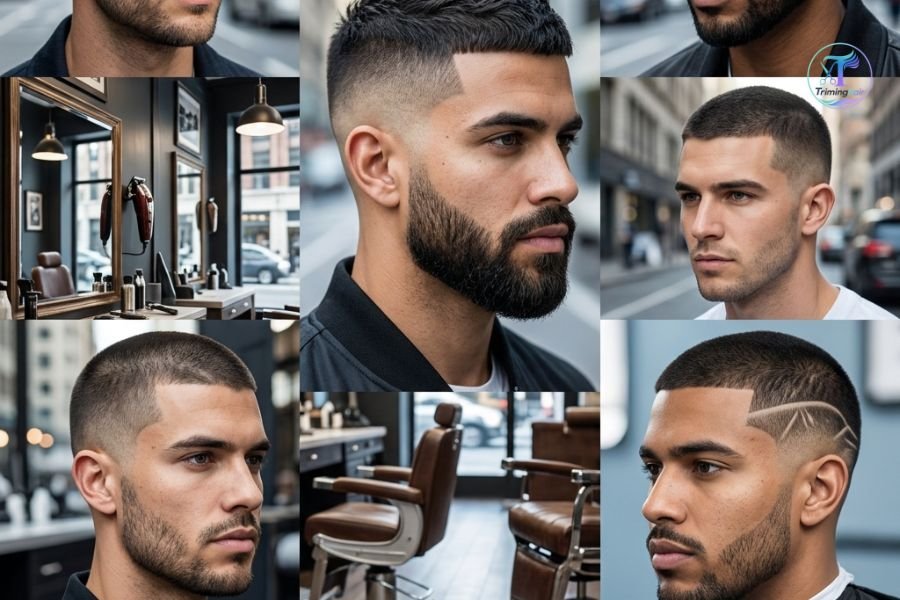
A fade haircut is a broad term describing any style where the hair gradually shortens to the skin, creating a smooth, blended transition. It’s often used as an umbrella term that includes low, mid, high, skin, and drop fades, among other variations.
This style has remained a staple in men’s grooming because of its clean, sharp appearance and adaptability to nearly any hair type or texture. Whether paired with a beard, design, or longer top section, the fade haircut continues to be a timeless and widely requested choice.
Fade Meaning Fight
In slang related to conflict, “fade” can mean to fight or physically confront someone, often used in phrases like “let’s fade” or “he got faded.” This usage is common in certain regional and internet slang circles and has no connection to haircuts.
This meaning likely stems from older street slang where “fade” implied overpowering or defeating someone in a physical altercation. Content creators should be aware of this alternate meaning to avoid confusion when the term appears in casual or informal contexts online.
Fade Meaning Slang
Beyond fighting, “fade” as slang can also describe someone gradually disappearing from a social situation, relationship, or group, often referred to as “fading out” or “faded away.” It captures the idea of a gradual withdrawal rather than an abrupt exit.
Additionally, “faded” is sometimes used informally to describe someone who is heavily intoxicated. These varied slang meanings show how the word “fade” carries different connotations depending on cultural context, distinct from its haircut-related definition.
Key Features of the Fade
The fade is defined by its sharp contrast, gradual shortening to the skin, and bold, structured appearance. It typically starts higher on the head and blends down into little to no hair near the hairline, offering a clean and edgy finish. This makes it a strong choice for those seeking a more noticeable, statement-making haircut.
What’s The Difference Between A Taper and Fade?
The core difference between a taper and a fade lies in the level of contrast and where the blending occurs. A taper offers a subtle, gradual reduction in length mostly around the edges, while a fade creates a much sharper transition, often going down to the skin for a bolder look.
Another key distinction is versatility and maintenance. Tapers tend to grow out more naturally and require fewer touch-ups, making them lower maintenance overall. Fades, especially high or skin fades, need more frequent trims to maintain their crisp lines, but they offer a more defined, eye-catching style.
Types of Tapers and Fades
Tapers come in several variations, including low tapers, temple tapers, and neck tapers, each differing in how much of the head is blended. Fades, on the other hand, include high fades, mid fades, low fades, skin fades, and drop fades, each offering a different level of contrast and starting point on the head.
Combination styles like the taper fade blend both techniques, offering a smooth top-to-bottom transition with added definition near the hairline. Choosing between these variations often comes down to personal style, workplace expectations, and how much upkeep a person is willing to commit to.
How To Choose Between A Taper and Fade Haircut
Choosing between a taper and a fade largely depends on how bold or subtle you want your haircut to look. A taper is ideal for those who prefer a classic, understated style with minimal contrast, while a fade suits individuals who want a sharper, more modern statement look.
It’s also worth considering your lifestyle, workplace, and how often you’re willing to visit the barber. Since fades typically require more frequent maintenance to preserve their clean lines, they may not suit everyone’s schedule or budget in the same way a taper does.
Factor Your Hair Type and Texture
Hair type and texture play a major role in how well a taper or fade will look once styled. Curly or coily hair often pairs beautifully with fades since the contrast highlights natural texture, while straight or fine hair may suit a taper better for a softer, more blended finish.
Contrast and Hairstyle
The amount of contrast you want between your top hairstyle and the sides should guide your decision. Fades create bold, noticeable contrast that pairs well with textured or voluminous top styles, while tapers offer a more seamless, cohesive look for classic or professional hairstyles.
Time and Money For Maintenance
Maintenance is often the deciding factor for many men choosing between these two styles. Fades generally require touch-ups every two to three weeks to keep their sharp lines intact, while tapers can often go longer between visits, making them a more budget-friendly and time-efficient option.
Frequently Asked Questions
Is a taper or fade better for professional settings?
A taper is generally considered more workplace-friendly since it offers a subtle, understated look with minimal contrast. Fades can still work in professional settings, especially low fades, but higher or skin fades tend to feel bolder and more casual.
Can you combine a taper and a fade in one haircut?
Yes, this is exactly what a taper fade is. It blends the gradual, natural transition of a taper with the sharper contrast of a fade, giving you a versatile style that works for both formal and casual occasions.
Which style requires less maintenance?
Tapers typically require less frequent trims since the blending is more gradual and grows out naturally. Fades, particularly high and skin fades, need touch-ups every two to three weeks to keep the sharp lines looking clean.
Does hair texture affect whether I should choose a taper or fade?
Yes, hair texture plays a big role. Curly or coily hair often looks striking with a fade because the contrast highlights natural texture, while straight or fine hair may suit the smoother, blended look of a taper.
Are tapers and fades only for short haircuts?
No, both techniques can be applied to a range of lengths on top. Tapers and fades refer to how the sides and back are cut, so they can be paired with anything from a buzz cut to longer, textured styles on top.
Conclusion
Both tapers and fades offer clean, versatile ways to keep hair looking sharp, but they differ in contrast, boldness, and maintenance needs. A taper delivers a subtle, low-key transition that suits classic and professional looks, while a fade brings sharper definition for those who want a more noticeable style statement. Ultimately, the right choice comes down to your hair type, personal style, and how much time you’re willing to invest in upkeep. Whichever you choose, a skilled barber can help tailor the cut to fit your face shape and lifestyle perfectly.

Leave a Reply