

Your home is more than a place to sleep. It is where you work, rest, cook, and spend time with people you love. That is why more homeowners are searching for DesignMode24 ideas that combine modern style with everyday comfort, and in 2026 the interest keeps growing.
This guide explains what DesignMode24 means, how to plan a project, and how to improve each room step by step. You will find practical tips on layout, color, lighting, small spaces, sustainability, and budget upgrades, all written in simple language so anyone can use them.
Whether you are renovating a full house or just refreshing one corner, these ideas will help you make confident choices. Read on to discover how smart planning and a little creativity can turn any space into a modern, organized, and welcoming home.
What Is DesignMode24 Design?

DesignMode24 is a modern way of thinking about interior design that focuses on comfort, function, and personal style working together in one space. Instead of following a single rigid look, it encourages homeowners to build rooms that feel balanced, practical, and welcoming every single day of the year.
At its core, DesignMode24 design combines clean layouts, smart storage, thoughtful lighting, and decor that reflects real life. The idea is simple: a home should look good, but it should also work well for the people who live in it. Every choice, from furniture to color, has a clear purpose.
People searching for DesignMode24 are usually looking for fresh inspiration they can actually apply at home. This guide explains the main ideas, room-by-room tips, and budget-friendly upgrades so you can turn simple concepts into a space that feels polished, calm, and truly yours in 2026.
The Importance of Modern Interior Design
Modern interior design matters because the space around you directly affects your mood, focus, and energy. A cluttered or poorly planned room can feel stressful, while a well-designed one helps you relax and think clearly. Good design turns an ordinary house into a place that genuinely supports your daily routine.
Beyond comfort, modern design adds real value to a property. Clean lines, neutral foundations, and efficient layouts appeal to buyers and renters alike. Even small updates, such as better lighting or smarter storage, can noticeably improve how a home looks and how much it is worth in the market.
Modern design also encourages mindful living. By choosing fewer but better pieces, you reduce waste and avoid constant redecorating. The result is a home that stays fresh for years, feels organized without effort, and reflects a lifestyle built on intention instead of impulse buying.
Creative Home Decor Ideas for Every Room
Creative decor starts with understanding how each room is used. A relaxing bedroom needs different details than a busy kitchen or a welcoming living area. When you match decor to function, every item you add feels natural and useful rather than random or purely decorative.
Layering is one of the easiest ways to add depth to any space. Combine textures such as wood, linen, metal, and ceramic, then add a few accent colors through cushions, art, or plants. This approach creates visual interest without overwhelming the room or making it feel crowded.
Personal touches make decor memorable. Family photos, travel souvenirs, handmade pieces, and favorite books give your home character that no catalog can copy. The goal is to blend these meaningful items with a clean, organized base so the room feels curated, warm, and genuinely lived in.
1. Living Room Design
The living room is the heart of most homes, so comfort and flow come first. Start with a sofa that suits your space and arrange seating to encourage conversation. Keep walkways open, and choose a focal point such as a media wall, fireplace, or large artwork to anchor the layout.
Add warmth with layered lighting, soft rugs, and cushions in coordinated tones. A coffee table with hidden storage, floating shelves, and a few green plants keep the room tidy and fresh. These small details help the space feel inviting for family evenings and guests alike.
2. Bedroom Interior Design
A bedroom should feel like a calm retreat. Choose soft, muted colors, quality bedding, and a headboard that adds comfort and style. Keep nightstands simple and uncluttered, and place the bed so it becomes the natural centerpiece without blocking windows, doors, or natural light.
Lighting plays a big role in rest and relaxation. Use warm bedside lamps, blackout curtains, and dimmable options to set the right mood. Built-in wardrobes or under-bed storage reduce visible clutter, helping the room stay peaceful and making it easier to wind down at the end of the day.
3. Kitchen Design and Organization
A great kitchen balances beauty with efficiency. Follow the classic work triangle between the sink, stove, and refrigerator so movement feels smooth. Durable countertops, easy-clean backsplashes, and good ventilation make daily cooking more enjoyable while protecting the surfaces from heat, moisture, and everyday wear.
Organization is what keeps a kitchen working well. Use drawer dividers, pull-out shelves, vertical racks, and labeled containers to keep tools and ingredients easy to find. Under-cabinet lighting adds both style and function, helping you prepare meals safely and keeping the whole room bright and welcoming.
4. Bathroom Improvements
Bathroom upgrades do not have to be expensive to make a big difference. Fresh grout, a new mirror, modern faucets, and updated lighting can transform the room quickly. Light-colored tiles and glass shower screens also help the space feel larger, brighter, and cleaner.
Storage and moisture control are the other key points. Wall-mounted cabinets, niche shelves, and baskets keep essentials neat without taking up floor space. Good ventilation, mold-resistant paint, and quality towels complete the look, giving you a spa-like feel that is practical and easy to maintain.
Is DesignMode24 a Specific Interior Design Style?
DesignMode24 is not a strict design style with fixed rules like Scandinavian, industrial, or mid-century modern. It is better understood as a flexible approach to planning and styling a home. Instead of forcing one look, it blends useful ideas from different styles into a setup that fits you.
This flexibility makes it appealing to many homeowners. You can pair minimalist furniture with warm wood tones, add a few bold accent pieces, or mix modern lines with classic details. The approach values harmony and function, so the final result feels cohesive even when several influences are combined.
The table below shows how the DesignMode24 approach compares with a few popular styles.
| Aspect | DesignMode24 Approach | Traditional Style | Minimalist Style |
| Flexibility | High, mixes styles | Low, follows set rules | Medium, strict simplicity |
| Color Palette | Neutral base with accents | Rich, deep tones | Mostly white and gray |
| Furniture | Functional and comfortable | Ornate and detailed | Few, essential pieces |
| Decor | Personal and curated | Classic and layered | Very limited |
| Best For | Everyday modern living | Formal homes | Clutter-free spaces |
How Do You Plan an Interior Design Project From Scratch?
Every successful project begins with clear goals. Decide how you want the space to function, who will use it, and what problems you want to solve. Measure each room carefully and note windows, doors, and power points, because accurate details prevent expensive mistakes later in the process.
Next, set a realistic budget and create a simple plan. Build a mood board with colors, materials, and furniture ideas that you like. Divide the budget between essentials, such as furniture and lighting, and finishing touches like decor, and always keep around ten percent aside for unexpected costs.
Finally, work in a logical order. Handle structural changes and painting first, then flooring, major furniture, lighting, and lastly decor. Following this sequence keeps the project organized, avoids damage to finished surfaces, and helps you see progress step by step instead of feeling overwhelmed.
How Do You Choose the Right Interior Design Style?
Choosing a style begins with observing what you already enjoy. Save photos of rooms that attract you and look for repeating patterns in color, furniture shape, and materials. These patterns reveal your natural taste, which is far more reliable than copying a trend you may grow tired of quickly.
Consider your lifestyle and the building itself. A busy family home needs durable fabrics and easy-clean surfaces, while a compact apartment benefits from light colors and multi-purpose furniture. The architecture of your house also matters, since a style that respects the structure usually looks more natural.
Do not feel forced to choose just one style. Many beautiful homes combine two or three, such as modern shapes with natural textures or classic pieces with simple backdrops. What matters most is consistency in color and proportion so the mix feels intentional and comfortable.
How Can Space Planning Improve Furniture Arrangement?
Space planning is the foundation of a comfortable room. It means deciding where each piece goes based on movement, function, and visual balance. When the layout is right, rooms feel larger, easier to use, and less crowded, even if the actual square footage stays exactly the same.
A few simple rules help a lot. Leave about three feet for main walkways, keep seating within comfortable conversation distance, and avoid pushing every item against the walls. Floating a sofa or placing a desk near natural light can instantly improve how the room feels and functions.
Scale and proportion also matter. Oversized furniture can swallow a small room, while tiny pieces look lost in a large one. Sketch your layout on paper or use a free planning app before buying, so every sofa, table, and shelf fits perfectly and serves a clear purpose.
Also Like To Read: Geekzilla.io Age Calculator Explained: How It Works, Features
How Do You Choose Colors, Materials, and Lighting?
Color sets the emotional tone of a room. Soft neutrals create calm, blues and greens feel fresh and relaxing, and warm earthy shades add comfort. A helpful guide is the 60-30-10 rule: sixty percent main color, thirty percent secondary color, and ten percent accent for a balanced, pleasing look.
Materials bring texture and durability. Natural wood adds warmth, stone and tile handle heavy use, and fabrics like cotton, linen, and wool add softness. Choose materials based on how the space is used, since a hallway floor needs far more resilience than a quiet reading corner or guest bedroom.
Lighting ties everything together. Combine ambient, task, and accent lighting so the room works at every hour. Warm bulbs make living spaces cozy, while cooler light suits kitchens and workspaces. Layered lighting not only improves function but also highlights your best colors, textures, and decor pieces beautifully.
How Can You Make a Small Home Feel More Spacious?
Light is the fastest way to make a small home feel bigger. Use pale wall colors, keep windows free from heavy drapes, and add mirrors opposite natural light sources. These simple changes bounce brightness around the room and create an open, airy atmosphere without any construction work.
Smart furniture choices make a huge difference too. Pick pieces with exposed legs, sofa beds, foldable tables, and storage ottomans that serve more than one purpose. Wall-mounted shelves and tall cabinets use vertical space, keeping the floor clear so the room appears larger and far more organized.
Finally, keep clutter under control. Edit your belongings regularly, hide everyday items in closed storage, and stick to a limited color palette. A calm, consistent look helps the eye move smoothly through the space, which makes even a compact apartment feel open and comfortable.
What Interior Design Trends Are Worth Considering?
Several trends are shaping homes in 2026, and the best ones combine beauty with practicality. Warm neutrals, curved furniture, natural stone, and textured walls are popular because they add softness and personality. These looks work well in most homes and are less likely to feel dated quickly.
Sustainability and technology are also leading the way. Homeowners are choosing recycled materials, energy-efficient lighting, and smart devices that control heating, lights, and security. Indoor plants and biophilic design bring nature inside, improving air quality and creating a calmer, healthier living environment for the whole family.
Before following any trend, ask whether it suits your space and lifestyle. Choose one or two elements, such as a statement lamp or a textured accent wall, instead of redoing everything. This keeps your home stylish and flexible while allowing you to update the look easily as tastes change.
The Core Principles of DesignMode24 Interior Design
The first principle is function before decoration. Every piece in the room should have a clear job, whether it provides seating, storage, light, or beauty. When function leads the planning, the home feels organized and comfortable, and decor naturally supports the way you live instead of getting in the way.
The second principle is balance and harmony. This means distributing visual weight evenly, repeating colors and materials, and keeping proportions in check. A balanced room feels calm and complete, because nothing looks accidental. Even bold choices work well when they are supported by a steady, consistent foundation.
The third principle is personalization with restraint. Your home should reflect your taste, but not at the cost of clarity. Choose a few meaningful pieces and give them space to shine. This approach keeps the interior elegant, makes cleaning easier, and allows the design to grow slowly over time.
How to Plan a DesignMode24 Interior Design Project
Start by defining the purpose of each room and listing your must-have items. Take accurate measurements, photograph the existing space, and note what you want to keep or replace. This early clarity helps you avoid impulse purchases and ensures that every decision supports the overall vision.
Then build your design board and budget. Collect color samples, fabric swatches, and furniture options in one place, and compare them in natural and artificial light. Assign a realistic budget to every category, and rank items by importance so the most valuable upgrades are completed first.
Finally, create a timeline and proceed in stages. Complete painting and repairs, install lighting, place the main furniture, and finish with decor. Reviewing the room after each stage lets you adjust early, which keeps the project smooth, affordable, and much less stressful from beginning to end.
Space Planning and Furniture Placement
Good furniture placement begins with identifying the room’s main activity. In a living room it may be conversation or watching television, while in a bedroom it is sleeping and storage. Arrange the largest piece first, then position smaller items around it to support that activity without blocking movement.
Create zones in open-plan homes to give every area a purpose. A rug, a bookshelf, or a different lighting style can separate the dining, living, and work areas without walls. Zoning makes large spaces feel organized and prevents the home from looking like one big, undefined room.
Always test your layout before committing. Use painter’s tape on the floor to mark furniture sizes, and walk through the space to check comfort. Make sure doors open fully, pathways stay clear, and every seat has access to a surface, so the room works smoothly in daily use.
Choose a Color Scheme That Fits Your Home
Begin with the fixed elements in your home, such as flooring, countertops, and large furniture. These items are expensive to change, so your color scheme should complement them. Identify their undertones, whether warm or cool, and select wall colors that match so the space feels naturally unified.
Think about natural light as well. North-facing rooms receive cooler light and often look better with warm shades, while south-facing rooms can handle cooler tones. Always test paint samples on the wall and check them in the morning, afternoon, and evening before making a final decision.
Keep your palette simple and repeat colors across rooms for flow. A main neutral, a supporting shade, and one or two accent colors are usually enough. This creates a cohesive home where each space feels connected, yet still has its own mood and individual character.
Improve Lighting for Comfort and Function
Lighting can completely change how a room looks and feels. Start with natural light by keeping windows clean and using sheer curtains that let sunshine in while protecting privacy. Maximizing daylight reduces electricity use and gives your interior a fresh, open, and pleasantly welcoming atmosphere.
Next, add artificial lighting in layers. Ambient lighting, such as ceiling fixtures, provides overall brightness, while task lighting, such as desk or reading lamps, supports specific activities. Accent lighting, like wall sconces or LED strips, highlights artwork and architectural details to add depth and style.
Pay attention to bulb quality and control. Warm white bulbs of about 2700K suit relaxing spaces, and cooler bulbs work better in kitchens and offices. Dimmers and smart bulbs let you adjust the brightness throughout the day, saving energy and helping each room fit the mood perfectly.
Budget-Friendly Ways to Upgrade Your Interior
You do not need a large budget to refresh your home. A new coat of paint, updated cabinet handles, and fresh cushion covers can bring noticeable change at a low cost. Rearranging furniture is completely free and often reveals a better layout that you had not considered before.
Shopping smartly also stretches your budget. Look for second-hand furniture, local markets, and seasonal sales, and upcycle old pieces with sanding, paint, or new fabric. Invest more in items you use daily, such as a mattress or sofa, and save on decorative accessories that are easy to replace.
DIY projects add personality while saving money. Create gallery walls, build simple shelves, or sew your own curtains and pillow covers. Even small touches like plants, candles, and framed prints can make the space feel complete, proving that style depends more on creativity than on spending.
Smart Space Planning for Small Homes
Small homes need careful planning because every square foot counts. Begin by listing the activities that must happen in the space, such as sleeping, working, cooking, and relaxing. Then arrange furniture so each activity has its own clear corner, which prevents the home from feeling messy or overcrowded.
Multi-functional furniture is the best friend of a compact home. A fold-down desk, a bed with drawers, nesting tables, and extendable dining sets provide extra function without extra footprint. Choose pieces in lighter shades and with slim profiles, so they take up less visual space and keep the room feeling open.
Use vertical space and hidden storage wherever possible. Tall bookcases, wall hooks, over-door organizers, and floating shelves free up the floor for movement. When everything has a place, even a small apartment looks tidy, feels spacious, and remains comfortable for daily living, working, and welcoming guests.
Choosing Colors, Materials, and Textures
Colors, materials, and textures work together to create the personality of a room. A calm base of white, beige, or soft gray lets you experiment freely with accessories. Then, introduce depth through contrasting finishes such as matte walls, glossy tiles, and soft fabrics so the space does not feel flat.
Texture is especially important in neutral interiors. Woven baskets, chunky knit throws, velvet cushions, and rough natural stone add richness that color alone cannot provide. Mixing smooth and rough surfaces creates balance and gives the eye something interesting to enjoy, making even a simple room feel layered and warm.
The table below gives quick suggestions for matching materials with different areas of your home.
| Area | Recommended Materials | Best Color Direction | Why It Works |
| Living Room | Wood, linen, wool | Warm neutrals | Cozy and inviting |
| Bedroom | Cotton, soft fabric, rugs | Muted blues and grays | Calm and restful |
| Kitchen | Quartz, tile, stainless steel | White with bold accents | Durable and easy to clean |
| Bathroom | Porcelain, glass, stone | Light and airy tones | Moisture resistant and bright |
| Entryway | Tile, metal, hardwood | Deeper neutrals | Handles heavy daily use |
Budget-Friendly Home Renovation Tips
A smart renovation begins with priorities. Decide which areas affect comfort and value the most, such as the kitchen, bathroom, or lighting, and spend there first. Getting at least three quotes from contractors and checking their previous work can also prevent overspending and protect you from poor-quality results.
Small changes often deliver the biggest return. Repainting walls, replacing old hardware, refinishing floors, and installing new light fixtures can modernize a home without major construction. Reusing existing layouts instead of moving plumbing or walls saves a large amount of money and shortens the overall renovation time.
Plan carefully and buy wisely to keep costs under control. Order materials in the right quantity, compare prices from several suppliers, and buy during sales or clearance periods. Maintaining a spreadsheet of expenses and keeping an emergency fund helps you finish the project on time and without financial stress.
Sustainable and Eco-Friendly Interior Design
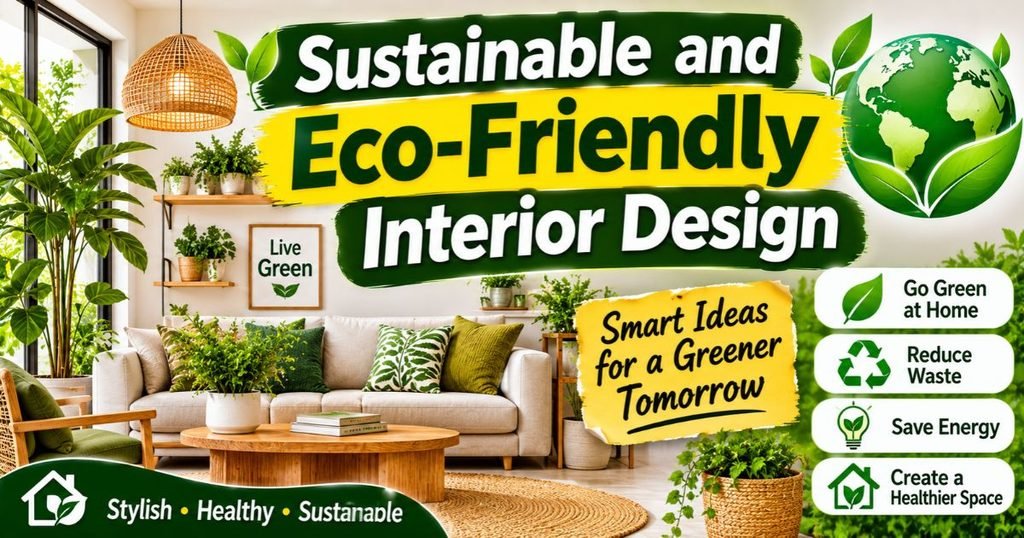
Sustainable design is becoming a major part of modern homes. It focuses on choosing materials that are responsibly sourced, durable, and kind to the environment. Bamboo, reclaimed wood, cork, recycled glass, and low-VOC paints are excellent options that reduce environmental impact while still delivering beautiful, long-lasting results.
Energy efficiency is another important area. LED bulbs, good insulation, energy-saving appliances, and smart thermostats lower electricity bills and reduce your carbon footprint. Large windows with quality glazing also bring in natural light, which cuts daytime energy use and makes the interior feel brighter and healthier.
You can also make your home greener through simple habits. Buy fewer but better items, repair furniture instead of replacing it, and choose second-hand or vintage pieces with character. Adding indoor plants improves air quality and mood, proving that eco-friendly living can be stylish, affordable, and rewarding.
Why Explore DesignMode24 Interior Design?
Exploring DesignMode24 interior design gives you a clear and flexible framework for improving your home. Instead of guessing, you follow practical principles about layout, color, lighting, and storage. This makes decisions easier and helps you avoid common mistakes that waste both time and money.
The approach also suits almost every home and budget. Whether you live in a small apartment or a large house, you can apply the same ideas to create comfort and style. Because it welcomes personal taste, your space ends up looking unique rather than copied from a catalog.
In short, DesignMode24 inspires smarter, calmer, and more enjoyable living. Start with one room, apply the principles step by step, and enjoy the improvements as they grow. With patience and creativity, your home in 2026 can become a place that truly supports your lifestyle and reflects who you are.
Frequently Asked Questions
What is DesignMode24 in interior design?
DesignMode24 is a flexible approach to modern interior design that focuses on function, comfort, and personal style. It is not a strict style with fixed rules. Instead, it mixes useful ideas from different looks to create balanced, practical, and good-looking rooms that suit your daily life.
Is DesignMode24 suitable for small apartments?
Yes, it works very well in small homes. The approach encourages light colors, multi-functional furniture, vertical storage, and smart layouts. These choices keep the space open and organized, so even a compact apartment can feel comfortable, bright, and much larger than its actual size.
How much does a DesignMode24 style makeover cost?
The cost depends on the size of your home and the changes you choose. Simple updates like paint, lighting, and new cushions can cost very little. Larger projects such as kitchen or bathroom renovations need a bigger budget, so planning priorities and comparing quotes is always a smart step.
Which colors work best for a modern home?
Neutral shades such as white, beige, soft gray, and warm taupe make a strong base. You can then add accent colors through cushions, art, and plants. The 60-30-10 rule is a simple guide that keeps the palette balanced, calm, and visually pleasing in any room.
How can I make my home more eco-friendly?
Start with LED lighting, energy-efficient appliances, and good insulation. Choose sustainable materials like bamboo, reclaimed wood, and low-VOC paint. Buying fewer but better items, repairing old furniture, and adding indoor plants also reduce waste and create a healthier living environment.
Should I hire a designer or do it myself?
Both options can work. A professional designer saves time and helps avoid costly mistakes, which is useful for large renovations. For smaller updates, DIY is often enough if you plan carefully, measure accurately, and follow basic design principles like balance, lighting, and good furniture placement.
Conclusion
DesignMode24 shows that great interior design is about smart choices, not just big budgets. By focusing on function, balanced colors, layered lighting, and thoughtful furniture placement, you can create a home that looks stylish and works beautifully every day.
From small apartments to large houses, the same principles apply. Plan each project carefully, upgrade step by step, and add personal touches that tell your story. Sustainable materials and budget-friendly ideas also help you build a space that is responsible and affordable.
Start with one room, apply the tips from this guide, and enjoy the difference. With patience and creativity, your home in 2026 can become a calm, modern, and welcoming place that truly reflects your lifestyle.


Leave a Reply