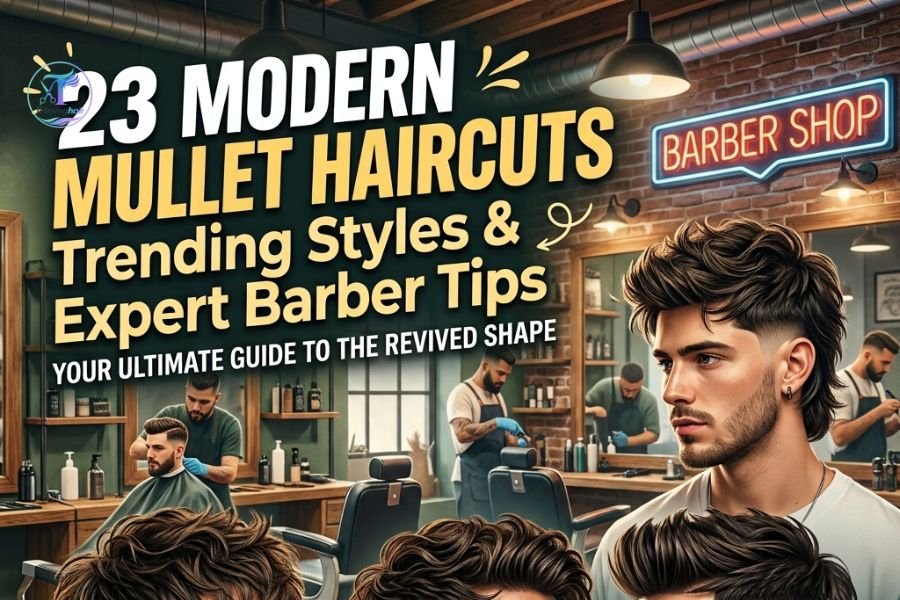
The mullet is back, but it doesn’t look like it did in 1985. Today’s version trades the flat, blunt-cut silhouette for sharp fades, textured tops, and a level of precision that turns a once-mocked style into one of the most requested cuts in modern barbershops. Whether you want something bold enough to shave a design into or subtle enough to wear into the office, the modern mullet has a variation built for it.
This guide breaks down every angle of the trend, from fade heights and texture-specific techniques to how to actually ask your barber for the cut without getting a version you didn’t picture. You’ll also find styling tips, a realistic maintenance schedule, and the most common mistakes to avoid so your mullet grows out looking as sharp as the day you left the chair.
What Is The Modern Mullet?
The modern mullet takes the “business at the front, party at the back” idea from the ’70s and ’80s and rebuilds it with today’s barbering tools. Instead of a blunt, uniform cut, it relies on fades, tapers, and layered texturing to create a gradual transition between short sides and longer back length. The result feels intentional and styled rather than accidental, which is exactly why it has found its way onto red carpets, football pitches, and everyday street style at the same time.
What separates a modern mullet from the classic version is precision. Barbers now blend the sides with skin fades or tapers, add texture on top with point cutting or thinning shears, and shape the back so it flows rather than just hangs. It is less a single haircut and more a flexible template that can be dialed up for an edgy, statement look or dialed down into something office-appropriate and low-key.
Modern Mullets with Fades and Tapers
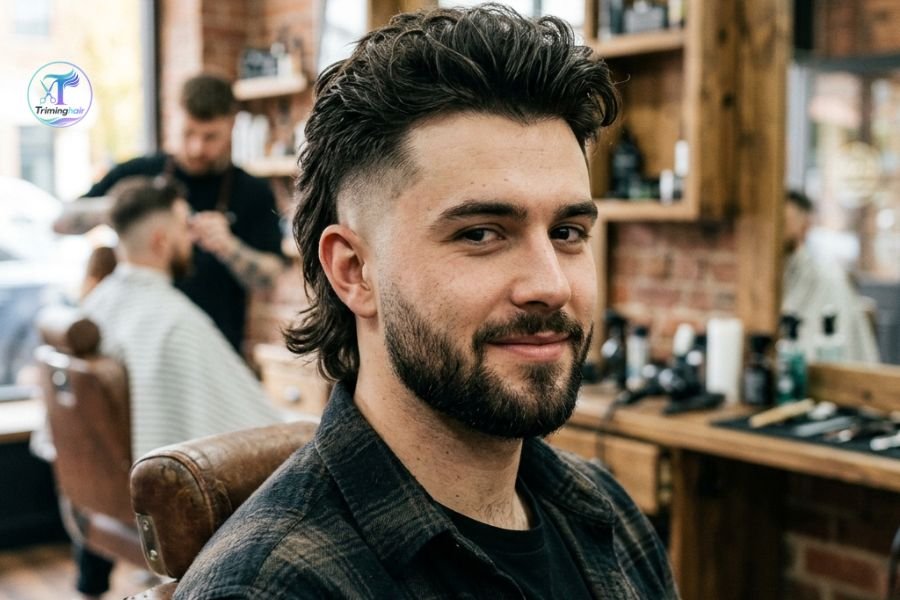
Fades and tapers are what turn a mullet from a retro throwback into a genuinely modern haircut. By tightening the sides and back, a barber creates contrast with the longer top and back length, which sharpens the whole silhouette and makes it look deliberate. This is also the most customizable part of the cut, since the fade height and blend style can be adjusted to suit face shape, hair density, and personal style.
Because there are so many fade variations, this style category works for nearly any guy who wants a mullet without it looking messy or dated. A tight fade reads clean and versatile enough for work, while a looser taper keeps things soft and low-maintenance. Below are the most popular fade and taper pairings barbers are using with the modern mullet right now.
Taper Fade Mullet
The taper fade mullet keeps the sides gradually shortened without going down to bare skin, which gives it a softer, more natural transition than a hard fade. It pairs especially well with thicker hair, since the taper leaves just enough length to blend smoothly into the fuller top and back. This version tends to read as more classic and workplace-friendly while still carrying the mullet’s signature length in back.
Burst Fade Mullet
A burst fade curves around the ear rather than running in a straight line, which gives the modern mullet a rounded, dynamic shape at the sides. It’s a favorite for guys who want their fade to feel a bit more artistic and less symmetrical than a standard taper. Because the curve draws the eye, this variation pairs especially well with longer top lengths and heavier back sections.
Drop Fade Mullet
The drop fade dips lower behind the ear before curving back up, creating extra visual movement along the sides. On a mullet, this shape helps elongate the back section and makes the length transition feel more fluid rather than abrupt. It’s a popular pick for guys who want a fade with more personality than a straight taper but without going as bold as a burst fade.
Low Fade Mullet
A low fade keeps the fading close to the ears and neckline, leaving more length retained higher up on the sides. This makes the modern mullet look subtler day to day, since the contrast between short and long sections is less dramatic. It’s a solid choice for anyone easing into the mullet trend or working in a more conservative environment.
Mid Fade Mullet
The mid fade sits between the low and high options, starting the fade around the temple area for a balanced, versatile look. It gives enough contrast to look sharp and current without pushing into an overly edgy statement. Most barbers consider this the safest, most universally flattering fade height to pair with mullet length in back.
High Fade Mullet
A high fade starts well above the ear, creating a bold, noticeable line between the short sides and the longer top and back. This version leans into the mullet’s rebellious reputation and works best for guys who want their haircut to make a statement. It also tends to require more frequent barber visits since the contrast grows out faster than lower fade heights.
Skin Fade Mullet
The skin fade takes things to the extreme by fading all the way down to bare skin, creating maximum contrast against the mullet’s longer sections. It’s the sharpest, most modern-looking fade option and photographs especially well thanks to the crisp line it creates. This variation demands regular upkeep, since even a small amount of regrowth will blur the clean fade line.
Scissor-Cut Taper Mullet
For guys who prefer to avoid clippers on the sides altogether, the scissor-cut taper uses shears to create a softer, textured transition instead of a defined fade line. It tends to grow out more gracefully since there’s no hard line to maintain, making it a lower-maintenance option overall. This version often appeals to older clients or anyone wanting a more mature, understated take on the mullet.
Trendy Mullets Based on Hair Texture
Hair texture plays a huge role in how a mullet actually behaves once it’s cut, which is why barbers tailor the technique differently for curly, straight, wavy, and textured hair. What works beautifully on thick curls can look flat and lifeless on straight strands, and vice versa. Understanding your natural texture upfront saves a lot of trial and error in the chair.
The good news is that the modern mullet has been adapted for essentially every hair type, so texture is never really a dealbreaker. Barbers now use texture-specific cutting techniques, from point cutting for curls to razor work for straight hair, to make sure the style holds its shape and doesn’t require excessive daily styling. The following variations show how the mullet shifts depending on what you’re working with.
Curly Mullet
Curly hair naturally adds volume and movement to a mullet, making the back section look fuller and more dynamic without much styling effort. Barbers typically cut curly mullets a bit longer than straight versions since curls shrink up once they dry. The natural texture also helps disguise the line between the fade and the longer length, giving the whole cut a more blended, effortless look.
Straight Hair Mullet
Straight hair gives the modern mullet a sleek, defined edge, since there’s no natural volume to soften the silhouette. This makes precise cutting essential, as any unevenness will be much more visible than it would be on curly or wavy hair. Many guys with straight hair add subtle layering or texturizing to prevent the back from looking flat or overly heavy.
Textured Mullet
A textured mullet relies on choppy, layered cutting techniques to break up length and add movement, regardless of natural hair type. This approach works especially well for guys who want a lived-in, slightly messy finish rather than a polished, uniform shape. Texturizing also helps the style transition better between washes, since it doesn’t rely on precise styling to look intentional.
Wavy Mullet
Wavy hair sits in a sweet spot between straight and curly, giving the mullet natural body without the volume challenges that come with tighter curls. The waves add subtle texture to the back section, making it look effortlessly styled even with minimal product. This texture also tends to hold a blowout or air-dry finish longer than straight hair does.
Edgy, Statement Mullets
For guys who want their haircut to actually turn heads, the edgy mullet variations lean fully into the style’s rebellious roots. These cuts push length, contrast, or detail further than the more everyday fade options, making them a favorite among musicians, athletes, and anyone with a strong personal style. They’re less about blending in and more about standing out on purpose.
These bolder takes on the mullet do require more commitment, both in terms of maintenance and in how much attention they draw. A shaved design or a dramatic slicked-back finish isn’t something you can throw together in thirty seconds, and most of these styles need frequent barber visits to keep their sharp lines looking fresh. Still, for the right person, that extra effort is exactly the point.
Mohawk Mullet
The mohawk mullet combines a shaved or faded sides with a raised strip of hair on top that flows into mullet length in back. It’s one of the boldest hybrids on this list, merging two rebellious hairstyles into a single statement cut. Styling typically requires a strong-hold product to keep the top section standing upright throughout the day.
Slicked-Back Mullet
This variation uses length on top combed straight back, often with a wet or high-shine finish, before transitioning into the classic mullet length behind. It reads as more polished and retro-cool compared to textured or messy styling options. A pomade or gel with strong hold is essential to keep the slicked-back section from separating or falling forward.
Thick Textured Mullet Fade with Heavy Fringe
This style pairs a defined fade with a noticeably heavy, textured fringe left long at the front, creating dramatic contrast between the sides and the face-framing top section. It works best on guys with naturally thick hair that can support the weight of a heavy fringe without going flat. The look leans edgy and youthful, often seen on skaters and musicians.
Mullet with Hair Designs
Adding shaved line designs, patterns, or lettering into the fade section turns a standard mullet into a fully custom, artistic statement. This requires a skilled barber comfortable with detailed clipper work, since designs need sharp, clean lines to look professional rather than sloppy. Designs also grow out faster than a simple fade, so touch-ups every one to two weeks are typically necessary.
Long Mullet
The long mullet maximizes the back length, letting it grow well past the collar for a dramatic, rocker-inspired silhouette. This version takes longer to grow into and requires more patience during the in-between stages before the length fully develops. Once grown out, it offers the most styling versatility of any mullet length, from loose waves to a tied-back ponytail.
Shaggy Mullet
The shaggy mullet uses heavy layering and a deliberately undone finish to create a relaxed, low-effort vibe throughout the whole head. It borrows from 70s rock style, favoring movement and texture over sharp lines or defined fades. This version is particularly forgiving for growing-out phases, since the shaggy layers naturally disguise uneven length.
Classy Mullets
Not every mullet needs to shout for attention, and this category proves the style can work in more buttoned-up, professional settings too. By tightening up the sides, keeping the back length moderate, and pairing the cut with grooming details like a beard or line up, the mullet becomes something you could wear into a client meeting without a second glance.
These classier interpretations tend to age better and require less dramatic upkeep than the edgier variations, since there’s no shaved design or extreme fade line to maintain. They’re a great entry point for guys who like the idea of a mullet but are hesitant to commit to something too loud. The details below show how small styling choices can shift the whole tone of the cut.
Short Mullet
The short mullet trims down the back length significantly compared to traditional versions, keeping it just long enough to read as a mullet without being overly dramatic. This makes it far more workplace-friendly and easier to maintain day to day. It’s often the recommended starting point for first-timers who aren’t sure how bold they want to go.
Mullet with Fringe
Adding a fringe brings the focus forward, framing the face with length on top while the back keeps the classic mullet silhouette. This combination softens the overall look and works particularly well for guys wanting to downplay a larger forehead. The fringe can be styled swept to the side or worn straight down depending on the desired vibe.
Mullet with Line Up
A crisp line up along the hairline and edges instantly sharpens any mullet variation, giving it a fresh, barbershop-polished finish. This detail is especially popular in Black hairstyling traditions and pairs well with virtually any fade height or texture. Regular touch-ups, typically every one to two weeks, are needed to keep the line looking sharp.
Mullet with Beard
Pairing a mullet with a well-groomed beard balances out the haircut and adds a more mature, put-together look overall. The beard draws the eye downward, softening the visual weight of a longer back section on top. This combination has become especially popular among guys wanting a rugged yet intentional aesthetic.
Modern Textured Brush Back Mullet
This style combs the top section back and slightly up using texturizing product, creating volume and movement without the slicked, wet look. It gives off a polished-but-relaxed vibe that transitions easily from casual to semi-formal settings. The brushed-back top also helps show off a fade underneath rather than covering it.
Edgar-Style Mullet
Borrowing from the popular Edgar cut, this variation adds a sharp, straight-across fringe line at the front while keeping mullet length in back. The bold, geometric fringe creates striking contrast against the softer, longer back section. It’s an increasingly popular choice among younger guys looking for a distinctive, trend-forward silhouette.
How To Ask Your Barber For A Mullet
Walking into a barbershop and simply saying “give me a mullet” is a recipe for miscommunication, since the term covers such a wide range of looks. Being specific about fade height, length, and texture helps your barber understand exactly what you’re picturing, rather than guessing based on outdated stereotypes of the style. A few extra minutes of conversation before the clippers come out can save you from an outcome you’re unhappy with.
Good communication also protects you from length regret, since hair grows back slowly and unevenly if a barber takes off more than intended. Bringing references, being clear about maintenance expectations, and starting conservative on a first visit are all strategies that make the whole experience smoother. The steps below walk through exactly how to have that conversation.
Say “Modern,” Not Just “Mullet”
Leading with “modern mullet” immediately signals to your barber that you want the updated, fade-and-taper version rather than the flat, blunt-cut mullets associated with the 80s. This small wording change helps set the right tone for the whole consultation. Most barbers today are well versed in modern mullet techniques, but the phrasing still helps avoid confusion.
Cover the Specs
Be specific about exact lengths, mentioning target measurements on top, sides, and back rather than vague terms like “medium” or “short.” Numbers give your barber a concrete target to work toward, reducing the chance of miscommunication. It also helps to mention how much length you want removed versus retained if this isn’t your first mullet cut.
Talk Through the Fade
Specify whether you want a low, mid, or high fade, and clarify if you prefer a skin fade or a softer taper finish. This detail dramatically changes the final look, so it shouldn’t be left to assumption. If you’re unsure, ask your barber for a recommendation based on your face shape and hair density.
Bring a Reference Photo
A clear photo removes almost all ambiguity from the conversation, since barbers can see exactly the fade height, texture, and length you’re aiming for. Try to find a photo of someone with similar hair texture and density to your own for the most accurate result. Multiple angles, including the back, are especially helpful for a style like the mullet.
Decide How Bold You Want to Be
Think ahead of time about whether you want a subtle, workplace-friendly mullet or a bold, statement-making version with a shaved design or dramatic length. This decision affects almost every other choice in the consultation, from fade height to back length. Being upfront about this helps your barber guide you toward the right variation.
Start Conservative on the First Visit
If this is your first mullet, ask your barber to keep the back length a bit longer than your ultimate goal, since it’s always easier to cut more off later. This approach gives you room to grow into the style and adjust the fade or length at your next appointment. It also helps you gauge how the cut suits you before committing to a bolder version.
How To Style A Mullet
Styling a modern mullet daily is what separates a sharp, intentional look from one that reads as messy or unfinished. Because the cut combines short sides with longer top and back sections, it needs a slightly different routine than a standard short haircut, particularly when it comes to product choice and drying technique. Getting this right makes a noticeable difference in how the whole style holds together.
The good news is that mullet styling doesn’t have to be time-consuming once you find the right product and technique for your hair type. Most guys settle into a five-to-ten-minute routine that works consistently, adjusting slightly for humidity or how much time has passed since their last haircut. The tips below cover the essentials.
The Everyday Styling Routine
A typical routine starts with towel-drying hair to about eighty percent, then applying product evenly through the top and back sections before shaping with fingers or a comb. Focusing extra attention on the crown and back helps prevent flatness throughout the day. Most guys find a quick touch-up midday keeps the style looking fresh without a full restyle.
Choosing the Right Hair Product
Lighter creams or pastes work best for natural, textured finishes, while pomades and gels suit slicked-back or higher-shine looks. Matching product to your hair type and desired finish prevents both greasiness and excessive stiffness. It’s worth testing a few options, since the right amount can vary significantly between fine and thick hair.
Do Not Neglect the Back
The back section of a mullet needs just as much styling attention as the front, even though it’s harder to see in a mirror. Skipping this step often results in an uneven, unfinished-looking style from behind. A handheld mirror or a quick photo check can help confirm the back is styled to match the front.
Blow-Dry or Air-Dry
Blow-drying with a round brush adds volume and shape, particularly useful for straighter hair that tends to fall flat. Air-drying works well for curly or wavy textures that already have natural movement built in. Choosing the right method for your texture reduces the need for excess product to compensate.
How to Maintain A Modern Mullet
Maintaining a mullet is a balancing act, since the sides need regular trims to keep the fade sharp while the back is left to grow out for length. This uneven maintenance schedule is one of the trickiest parts of committing to the style, and it catches a lot of first-timers off guard. Understanding this rhythm upfront makes the whole process far less frustrating.
Beyond barber visits, day-to-day care like proper washing and knowing when to trim the back keeps the style looking healthy rather than overgrown or unkempt. A little consistency goes a long way toward making sure the mullet looks as good in month three as it did on day one. The sections below break down exactly what that maintenance looks like.
How Often to Visit the Barber
Most mullet wearers need a barber visit every two to four weeks to keep the fade or taper looking sharp, even though the back is left largely untouched. Skipping too many visits lets the sides grow out and blur the contrast that defines the style. Setting a recurring reminder helps prevent the fade from looking neglected between cuts.
The Maintenance Imbalance
Because the sides need frequent trims while the back grows for months at a time, it can feel like you’re getting a “half haircut” at each visit. This is completely normal and expected with a mullet, so it’s worth discussing with your barber upfront. Understanding this imbalance ahead of time helps manage expectations throughout the growing process.
Washing and Care
Washing two to three times a week, rather than daily, helps preserve natural oils that keep both the short and long sections healthy. Over-washing can dry out the longer back hair especially, making it more prone to frizz and split ends. A good conditioner focused on the back length helps keep it manageable as it grows.
When to Trim the Back
The back section typically only needs trimming every two to three months, mainly to clean up split ends rather than to shorten the overall length. Trimming too often defeats the purpose of growing a mullet, so it’s worth being patient here. A skilled barber can shape the ends without sacrificing the length you’ve been growing.
Visit For More: 30 Attractive Hairstyles for Men with Big Foreheads to Try in 2026
Modern Mullet for Kids
Kid-friendly mullets keep the same short-sides-long-back concept but scale back the fade intensity and overall drama for something easier to manage day to day. Parents often opt for a soft taper instead of a skin fade, since it grows out more gracefully and needs fewer barber visits. The style has become genuinely popular among younger boys, largely thanks to its rise in pop culture and youth sports.
Because kids’ hair grows faster and is handled more roughly during play, low-maintenance versions work best for this age group. A shaggy or textured mullet with minimal styling requirements tends to hold up better than a sharply defined fade that needs constant upkeep. Many parents also appreciate that the longer back section gives kids room to experiment with hair as they get older without needing a drastic cut.
Modern Mullet Fluffy Hair
The fluffy mullet leans into natural volume and softness rather than sharp lines, creating a rounded, voluminous silhouette on top that flows into mullet length in back. This version works especially well on thicker or wavy hair types that naturally hold body without much product. It has become a favorite among guys wanting a softer, more approachable take on the style.
Styling a fluffy mullet typically involves diffusing or air-drying to encourage natural texture rather than flattening it with a brush. Lightweight products like sea salt spray or a light cream help enhance volume without weighing the hair down. This variation pairs particularly well with a low or mid fade, since a harsher fade can clash with the softness of the fluffy top.
Modern Mullet Flow
“Flow” refers to hair that moves naturally and continuously from the crown down through the back, often associated with athletes and surfers who let their hair grow out with minimal structure. On a mullet, flow style typically means longer, looser layers in back paired with a shorter, tapered top rather than a sharp fade. It has a distinctly athletic, effortless quality compared to more structured mullet variations.
This style works best when hair is allowed to air-dry naturally, since over-styling can disrupt the loose, flowing movement that defines the look. It’s particularly popular with wavy or slightly curly hair types, which hold that swept-back, wind-blown shape more easily than straight hair. Guys who play sports or spend a lot of time outdoors are especially drawn to this low-maintenance variation.
How to Grow Your Hair Out for a Mullet
Growing into a full mullet takes patience, since the style depends on a noticeable length difference between the sides and back that simply doesn’t exist on day one. Most guys underestimate how long this process takes and get discouraged during the in-between stages when the cut doesn’t quite look like anything yet. Knowing what to expect ahead of time makes the growing-out period far less frustrating.
Working closely with a barber throughout the growth process, rather than avoiding the chair until the cut is “done,” actually speeds things up and keeps the style looking intentional the whole way through. Regular shaping trims on the sides and top maintain a clean silhouette even while the back is left to lengthen. The sections below cover what to realistically expect during this transition.
The Realistic Timeline
Growing a noticeable back length typically takes three to six months, depending on how fast your hair grows and how long you want the final result. The first six to eight weeks are often the hardest, since there isn’t yet enough length to shape into a distinct mullet silhouette. Staying patient through this early stage is key to avoiding the temptation to chop it all off.
Managing the Awkward Phase
The awkward in-between phase can be managed with regular trims to the sides and top, which keep those sections looking intentional even while the back grows shapelessly. A hat or a slightly slicked-back style can also help disguise uneven length during video calls or in-person meetings. Reminding yourself this phase is temporary makes it much easier to push through.
The Barber’s Role
A good barber plays an active role throughout the growing process, not just at the final “reveal” haircut. Regular shaping appointments every few weeks help maintain the fade or taper on the sides while guiding the back length toward your desired mullet shape. Communicating your end goal clearly at each visit ensures the barber is cutting with that target in mind.
The Best Modern Mullets by Hair Texture
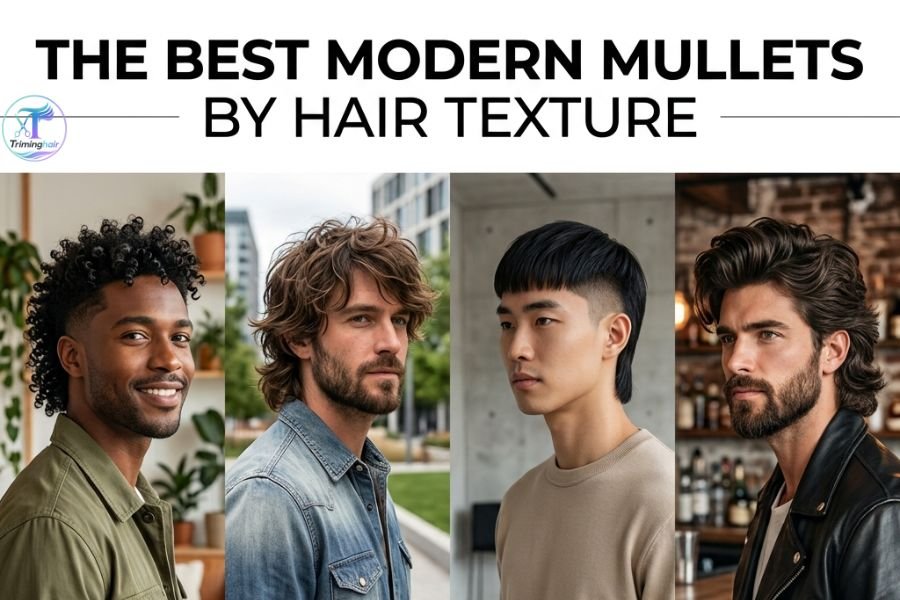
Texture continues to be one of the biggest factors in how a modern mullet turns out, which is why it’s worth revisiting with a focus on the specific cutting adjustments each hair type needs. Thick, thin, curly, and straight hair all respond differently to the same fade height or length, meaning a technique that flatters one texture might need real adjustment for another. This section breaks down exactly how to translate the mullet concept across the full range of hair types.
Barbers often make small but important changes, like adjusting layer weight for thick hair or adding texture to prevent flatness in fine hair, to make sure the mullet looks intentional regardless of what you’re starting with. Bringing this awareness into your consultation helps you and your barber land on a version of the cut that will actually work with your hair rather than fighting against it.
Straight Hair
Straight hair gives the mullet crisp, clean lines and shows off fade work particularly well, though it can look flat in the back without some added layering. Barbers often recommend texturizing scissors to break up length and prevent a slab-like appearance. This texture also styles quickly, since there’s minimal natural volume to manage.
Wavy Hair
Wavy hair adds natural texture and movement to a mullet without requiring much styling effort, making it one of the easiest textures to work with. The waves help blend fade lines more softly than straight hair does. This texture typically holds styles like the modern mullet flow particularly well.
Curly Hair
Curly hair brings natural volume and shape to the back section, often requiring less length overall to achieve a full mullet silhouette. Barbers typically cut curly hair while dry to account for shrinkage and avoid taking off more length than intended. This texture pairs especially well with softer taper fades rather than sharp skin fades.
Thick Hair
Thick hair can support bolder, heavier styles like a heavy fringe or long back section without going flat or thin-looking. Thinning shears are often used to remove bulk and prevent the cut from looking overly heavy. This texture also tends to hold fades and design work exceptionally well due to its density.
Fine or Thin Hair
Fine or thin hair benefits from shorter overall lengths and added texturizing to create the illusion of volume throughout the mullet. Heavier back sections can look sparse on this texture, so barbers often recommend a shorter, more manageable length. Lightweight styling products work best here, since heavier products can weigh fine hair down further.
The Modern Mullet vs. Classic Mullet At A Glance
| Feature | Modern Mullet | Classic Mullet |
| Sides | Faded or tapered | Blunt, uniform length |
| Blend | Gradual, precise | Minimal to none |
| Top | Textured, layered | Flat, uncut |
| Styling | Product-dependent | Often unstyled |
| Maintenance | Every 2-4 weeks | Infrequent |
| Overall vibe | Intentional, editorial | Retro, unstructured |
Modern Mullet Fade
The modern mullet fade is essentially the defining feature that separates today’s version of the style from its retro predecessor, using precise clipper work to create contrast between short sides and longer length elsewhere. This fade can be adjusted in height, sharpness, and blend style to suit nearly any face shape or personal preference. It’s often the single most important detail to get right in a mullet consultation.
Because the fade is so central to the modern look, small adjustments here can dramatically change the overall vibe of the haircut. A sharper, higher fade reads as bold and edgy, while a soft, low fade feels more subtle and versatile for everyday wear. Discussing fade specifics clearly with your barber ensures the rest of the cut comes together the way you’re picturing.
Modern Mullet Haircut Men
For men specifically, the modern mullet has become one of the most requested barbershop styles in recent years, largely due to its flexibility across ages, professions, and hair types. It offers a way to stand out from standard short haircuts while still allowing for a clean, groomed appearance through fade work and regular maintenance. This versatility is a big part of why it has moved from a niche or ironic choice into genuinely mainstream territory.
Men gravitate toward this style for different reasons, from athletes wanting a low-maintenance, sporty look to creatives wanting something more expressive than a standard fade or crew cut. Pairing the cut with a beard, line up, or specific fade height allows for a huge amount of personalization within a single style category. This adaptability is likely why the modern mullet shows no signs of fading in popularity.
Modern Mullet Curly Hair
Curly hair brings a natural, built-in texture advantage to the modern mullet, since the curl pattern itself adds volume and movement without much extra styling work. Barbers typically cut curly mullets slightly longer than they would for straight hair, accounting for the natural shrinkage that happens once curls dry and spring up. This makes precise length communication especially important during the consultation.
Beyond the cutting process, curly mullets often benefit from curl-specific products like creams or gels designed to define texture without causing frizz. Many guys with curly hair find they need less daily styling overall, since the natural curl pattern does much of the work in creating shape and movement. This makes the curly mullet one of the lower-maintenance texture variations on a day-to-day basis.
Modern Mullet Straight Hair
Straight hair creates a sharp, graphic version of the modern mullet, with crisp fade lines and a smooth, defined transition into the longer back section. Because there’s no natural volume to rely on, precision cutting matters even more here than with other textures. Any small inconsistency in the fade or length will be far more visible on straight strands.
To prevent the back section from looking flat or heavy, barbers frequently add layers or point-cutting techniques when working with straight hair. This helps create movement and visual interest that would otherwise be missing from a naturally sleek texture. Straight-haired mullets also tend to be quicker to style day to day, since there’s minimal frizz or volume to manage.
Modern Mullet Short
The short modern mullet trims the back length down significantly, offering a subtler nod to the trend rather than a full commitment to dramatic length. This version keeps the fade and top texture consistent with other mullet styles while dialing back the most noticeable feature of the classic cut. It’s an especially popular entry point for first-timers or anyone in a more conservative work environment.
Because the length difference between sides and back is less extreme, the short mullet requires less growing-out time and less dramatic maintenance overall. It still delivers the core aesthetic of the trend, just in a more understated package. Many guys use this version as a stepping stone before committing to a longer, bolder mullet down the line.
Modern Mullet Low Fade
The low fade mullet keeps the fading close to the neckline and ears, preserving more length higher up on the sides for a subtler transition overall. This creates a softer, more blended look compared to mid or high fade options, making it a great choice for anyone wanting a mullet that doesn’t scream for attention. It also tends to grow out more gracefully between barber visits.
This fade height pairs particularly well with classy or workplace-friendly mullet variations, since the reduced contrast keeps the overall style looking polished rather than edgy. It remains one of the most requested fade heights for guys trying the mullet trend for the first time. The low fade also tends to suit a wider range of face shapes than more dramatic, high-contrast fade options.
A Brief History of The Mullet and Its Modern Revival
The mullet’s roots stretch back further than most people realize, with variations of the short-front, long-back silhouette appearing throughout history before it became firmly associated with the 1970s and 80s. It exploded into mainstream culture through rock stars, athletes, and television personalities of that era, eventually becoming a symbol of a specific, often mocked, period of pop culture. By the 90s and early 2000s, the mullet had largely fallen out of favor, viewed as an outdated or unfashionable choice.
Its recent revival has been driven largely by a new generation embracing retro trends with an ironic, then genuinely appreciative, eye, combined with modern barbering techniques that elevate the style well beyond its blunt-cut origins. Celebrities, athletes, and social media have all played a role in normalizing the cut again, this time with fades, texture, and intentional styling replacing the flat, unstructured look of decades past. What was once a punchline has become a legitimate, sought-after style choice in barbershops today.
Common Mullet Mistakes to Avoid
Even a great mullet can go wrong if a few key details are overlooked during the cutting or growing process. Because the style depends so heavily on contrast, blending, and texture, small mistakes tend to be more noticeable than they would be on a simpler, uniform haircut. Knowing what to watch out for ahead of time helps avoid a costly redo or an awkward few months waiting for things to grow back.
Many of these mistakes come down to communication issues between client and barber, or simply not understanding what the style requires in terms of upkeep. Being aware of these common pitfalls, and asking the right questions during your consultation, goes a long way toward making sure your mullet actually turns out the way you pictured it. The breakdown below covers the most frequent missteps.
Going Too Extreme on the First Cut
Jumping straight into a dramatic, high-contrast mullet on the first try often leads to regret, since there’s no way to “undo” hair that’s already been cut too short. Starting more conservative gives you room to adjust and grow into the style over subsequent visits. This is especially important advice for anyone unsure exactly how bold they want to go.
Mismatching the Fade to the Face Shape
Not every fade height flatters every face shape, and choosing the wrong one can unintentionally emphasize features you’d rather downplay. A high fade, for example, can make a longer face look even more elongated. Discussing face shape openly with your barber helps steer the fade choice in a more flattering direction.
Skipping Texture on Top
Leaving the top section completely flat and uncut, rather than adding layers or texture, can make the whole mullet look outdated rather than modern. Texture is what gives the style its contemporary edge compared to the flat-topped mullets of the past. Skipping this step is one of the most common reasons a mullet ends up looking more retro than intended.
Getting the Wrong Variation for Your Texture
Choosing a style built for a different hair texture than your own, like a heavy fringe meant for thick hair on naturally fine strands, often leads to disappointing results. What looks great in a reference photo may not translate directly to your specific hair type. Discussing texture-specific adjustments with your barber prevents this mismatch.
Letting the Fade Outgrow the Back
Skipping too many barber visits allows the fade to blur and lose its sharp contrast against the longer back section, muddying the entire look. This is one of the fastest ways for a sharp mullet to start looking unintentional or unkempt. Sticking to a consistent trim schedule keeps the contrast that defines the style intact.
Trying to Cut It Yourself
The precision required for fades and blending makes the mullet a particularly risky style to attempt at home, especially for anyone without barbering experience. Small mistakes are far more visible on this cut than on simpler, more forgiving styles. Leaving the technical work to a professional barber is almost always worth the investment.
Treating It as a No-Effort Cut
Assuming the mullet requires zero styling or maintenance is a common misconception that often leads to a messy, unintentional-looking result. While it can be low-maintenance compared to some styles, it still benefits from regular product use and periodic trims to look its best. Treating it with at least some care is what keeps it looking like a deliberate style choice rather than an accident.
FAQ’s
Is the modern mullet still in style in 2026?
Yes, the modern mullet remains one of the most popular barbershop trends, driven by fade and texture updates that keep it feeling current rather than retro.
What fade works best with a mullet?
A mid fade is the most versatile choice, offering enough contrast to look sharp without the boldness of a high or skin fade.
How long does it take to grow a mullet?
Most guys need three to six months to grow enough back length for a defined mullet silhouette, depending on hair growth rate.
Is a mullet high-maintenance?
The sides need trimming every two to four weeks, but the back is left largely untouched, making overall upkeep moderate rather than high.
Can any hair texture pull off a mullet?
Yes, barbers adjust length, layering, and fade technique to suit curly, straight, wavy, and thick or fine hair types.
Does a mullet suit a professional workplace?
A shorter, low-fade mullet with a clean line up reads as polished and workplace-appropriate, while bolder versions suit more casual settings.
Conclusion
The modern mullet has earned its place as a legitimate, versatile haircut rather than a passing joke, thanks to precise fades, texture-driven styling, and endless room for personalization. Whether you’re drawn to a subtle, low-fade version or a bold, design-cut statement piece, there’s a variation here suited to your hair type, lifestyle, and comfort with standing out.
The key to getting it right is clear communication with your barber and a bit of patience through the growing-out phase, both of which pay off in a style that looks intentional at every stage.

Leave a Reply