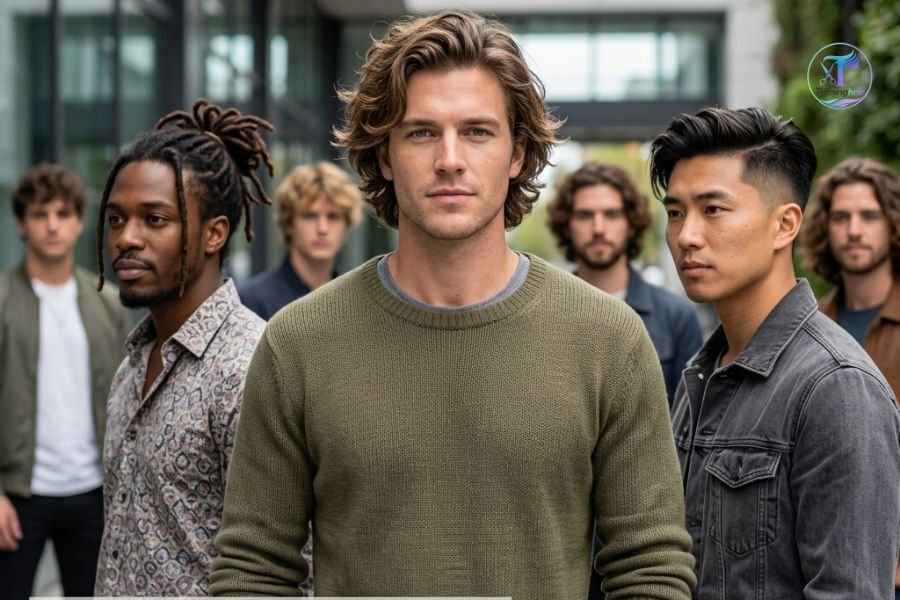
Medium-length hairstyles keep dominating men’s grooming trends because they offer the perfect middle ground between low-maintenance short cuts and the extra care long hair demands. Whether you want more versatility for styling, a softer look, or simply a change from your usual short crop, medium-length hair gives you room to experiment.
Below is a complete breakdown of the best medium-length hairstyles for men in 2026, along with everything you need to know about choosing, growing, and maintaining one.
Popular Medium Hairstyles For Men
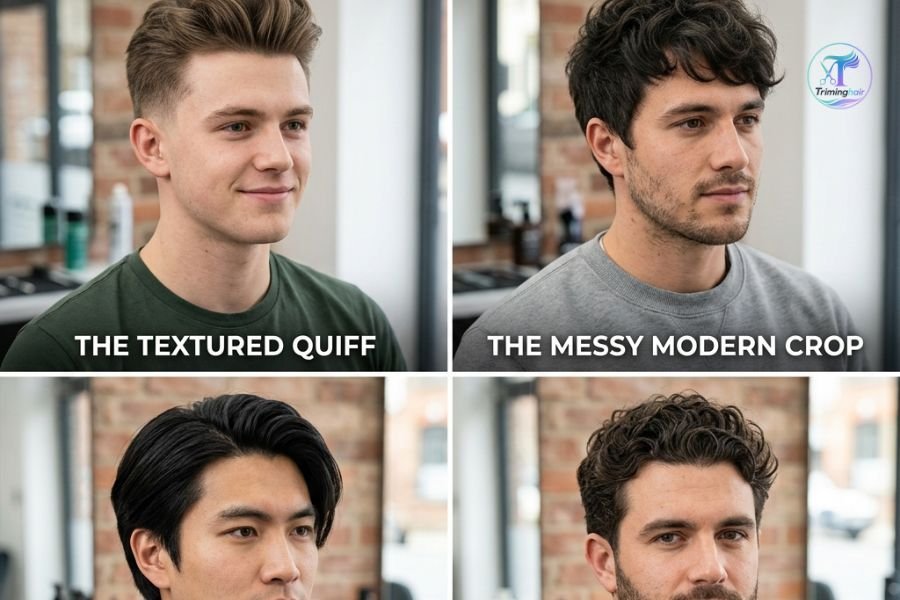
Medium-length hair sits in that sweet spot where you get enough length to style, texture, and shape, without the daily commitment long hair requires. It works across nearly every hair type, from straight and fine to thick and curly, which is why it remains one of the most requested cuts at barbershops. The right medium style can soften angular features, add volume to fine hair, or bring structure to unruly waves.
Below are 47 of the most popular medium-length hairstyles for men right now, ranging from classic and professional to edgy and low-maintenance. Each one works best with a slightly different hair texture, face shape, and lifestyle, so browse through and find the cut that matches your goals. Bring a photo of your favorite to your next barber appointment for the best results.
Middle Part
The middle part splits hair evenly down the center for a clean, symmetrical look that suits round and oval faces especially well. It works best with straight to slightly wavy hair and a bit of length on top to fall naturally on either side. A light cream or matte paste keeps the part defined without looking greasy. This style has stayed popular because it’s simple, requires minimal daily styling, and photographs well.
Layered Brush Back
Layered brush back styles use graduated layers to add movement while the hair is swept backward off the face. It gives medium-length hair extra volume and texture, especially useful for thinner hair types that need lift. A blow-dryer and round brush help train the hair into place each morning. This cut pairs well with a fade or taper on the sides for added contrast.
Medium Flow
Medium flow hairstyles let the hair fall naturally back and to the sides without a hard part or heavy structure. It’s an effortless, slightly tousled look that works especially well on wavy or slightly curly hair. Minimal product, just a touch of texturizing spray, is usually all it needs. It’s a go-to choice for guys who want a relaxed, low-effort style that still looks put together.
Combed Over Pompadour
This style combines the volume of a classic pompadour with a smooth, combed-over finish for a polished, semi-formal look. Hair is left longer on top, styled upward and back, then combed to one side for extra sleekness. A strong-hold pomade or wax is essential to keep the shape through the day. It works particularly well for straight to wavy hair and adds height to shorter faces.
Messy Fringe
The messy fringe brings a relaxed, textured front section that falls loosely over the forehead. It’s ideal for guys with straight to wavy hair who want a youthful, effortless vibe. A matte paste worked through damp hair, then finger-styled, gives it that intentional messy look. This style pairs naturally with shorter sides for contrast and easy upkeep.
Messy Textured Mod
Inspired by mod-era haircuts, this style features heavy texture and a slightly disheveled finish with defined ends. It suits thick or coarse hair that holds texture well without extra product. A texturizing spray or clay adds separation and keeps the ends from looking flat. It’s a strong option for anyone wanting a retro-modern edge to their medium cut.
Modern Mullet
The modern mullet keeps the classic short-front, long-back silhouette but softens it with tapered sides and blended layers. It’s less dramatic than the 80s version and works well on straight or wavy hair with natural body. Regular trims keep the shape from growing out unevenly. This cut has become a favorite for guys wanting a bold, statement style that still feels wearable.
Wolf Cut
The wolf cut blends a shag with a mullet, creating heavily layered, choppy texture throughout with a shorter crown and longer ends. It thrives on wavy or curly hair, which naturally enhances the layered, tousled effect. A light sea salt spray or texturizing cream brings out definition. This is one of the most requested trend cuts among younger guys wanting maximum texture.
Long Side Part
The long side part takes the classic side part and lengthens it for a more modern, relaxed silhouette. It suits straight to wavy hair and works in both professional and casual settings. A comb and light hold product keep the part crisp without looking stiff. It’s an easy transition style for guys growing out a shorter side-part cut.
Medium Curls
Medium curls let natural curl pattern take center stage, with length kept even to encourage defined, bouncy curls. This style requires curl-specific products like curl cream or gel to enhance definition and reduce frizz. Regular trims prevent curls from weighing down or looking unshaped. It’s a great low-manipulation option for guys with naturally curly hair.
Man Bun
The man bun pulls hair back into a tied knot at the crown or back of the head, ideal for medium to longer hair that’s still growing out. It’s practical for workouts, hot weather, or simply keeping hair out of the face. A texturizing product on dry hair before tying helps reduce flyaways. This style works across nearly all hair textures and face shapes.
Textured Middle Part with Curtains
This style pairs a center part with soft, face-framing pieces that curve outward like curtains. It flatters oval and heart-shaped faces particularly well and works best on straight to wavy hair. A light styling cream keeps the curtain pieces controlled without looking stiff. It’s become a signature look for guys wanting a soft, effortless European-inspired style.
Mohawk with High Burst Fade
This bold combination keeps a strip of longer hair down the center while a high burst fade tapers dramatically around the ears. It suits guys wanting maximum contrast and a statement style. Strong-hold gel or pomade is needed to keep the center strip upright. This cut requires more frequent barber visits to maintain the sharp fade lines.
Textured Slick Back
The textured slick back takes the classic slicked style and roughens it up with visible texture instead of a glassy finish. It works on straight to wavy medium-length hair and suits both formal and casual settings. A matte pomade or clay gives hold without excessive shine. This is a versatile, low-maintenance option for guys who want a put-together look fast.
Shoulder Length and Loose
This style lets hair grow to shoulder length and stay completely unstyled and loose, embracing natural texture and movement. It suits guys with straight to wavy hair who want minimal daily upkeep. Occasional trims keep the ends healthy and prevent split ends from becoming noticeable. It’s one of the lowest-maintenance medium-to-long options available.
Long Spiky Hair
Long spiky styles use strong-hold product to create defined, textured spikes throughout longer top hair. It works best on straight to slightly wavy hair that holds shape well. A firm gel or wax applied to damp hair gives the longest-lasting hold. This cut suits guys wanting an edgier, high-energy look for nights out or casual settings.
Messy and Layered
This all-purpose style relies on heavy layering throughout medium-length hair for a naturally tousled, effortless finish. It works on nearly every hair type and is especially forgiving for guys who don’t want to style daily. A light texturizing spray is usually all that’s needed. It’s a reliable, low-fuss choice that still looks intentional.
Also Like To Read This: 21 Best Ivy League Haircuts for Men: Classic & Modern Styles
Loose Mid Part
The loose mid part is a relaxed take on the classic middle part, with less rigid symmetry and more natural fall. It suits wavy hair especially well, letting the part soften as the day goes on. Minimal product keeps the style feeling natural rather than set. It’s a great transitional look for guys moving away from a stricter part style.
High Bun with Beard
Pairing a high bun with a full beard creates a bold, masculine silhouette popular among guys with medium-to-long hair. The bun sits higher on the crown for a more polished look than a low knot. A strong hold product or hair tie designed for thicker hair prevents slipping throughout the day. This combination works particularly well for guys with thick, coarse hair textures.
Textured Shag
The textured shag uses heavy layering and choppy ends to create volume and movement throughout medium-length hair. It flatters most face shapes and works especially well on wavy or curly textures. A texturizing paste or sea salt spray enhances the shag’s natural roughness. This retro-inspired cut has made a major comeback in recent years.
Thick, Feathered Wings
This style uses feathered layers that sweep outward from the crown, creating a winged effect on either side of the head. It works best on thick, straight to wavy hair with enough body to hold the feathered shape. A round brush and blow-dryer help train the wings during styling. It’s a bold, retro-leaning look that stands out from more common medium cuts.
Casual Flow
Casual flow hairstyles let hair fall naturally without a defined part or heavy styling, ideal for guys who want a barely-there routine. It suits straight to wavy hair and looks best with a few face-framing layers. A light texturizing cream keeps flyaways controlled. This is one of the most practical, everyday-friendly medium-length options.
Long Brush Back
The long brush back pushes hair straight back off the face using length and volume rather than heavy product. It works best on thicker, straight to wavy hair that holds its shape when brushed back. A blow-dryer on a cool setting locks in the style once it’s brushed into place. This look reads confident and polished without feeling overly formal.
Textured Mullet Fade with Beard
This combination pairs a modern textured mullet with a tight fade and a full beard for a rugged, cohesive look. It suits guys with thick or coarse hair who want strong contrast between the top and sides. Regular fade maintenance every two to three weeks keeps the style sharp. The beard should be shaped to complement the mullet’s silhouette rather than compete with it.
Messy Brush Forward
This style brushes hair forward toward the face for a tousled, youthful finish rather than the more common backward sweep. It works well on straight to wavy hair with some natural texture. A matte paste applied to damp hair and pushed forward with fingers creates the best effect. It’s a popular choice for guys wanting a more casual, undone appearance.
Faux Hawk Fade
The faux hawk fade combines a subtle center ridge of longer hair with a tight fade on the sides, softer than a true mohawk. It works on most hair types and offers a middle ground between edgy and professional. Light gel or wax lifted at the center gives it definition without looking severe. It’s an easy way to add attitude to a medium-length cut.
Long Parted Flow
This style combines a defined part with longer, flowing lengths that move naturally throughout the day. It suits straight to wavy hair and works in both business and casual settings. A light hold cream keeps the part crisp at the root while letting the ends move freely. It’s a versatile option for guys who want structure without stiffness.
Long Shaggy Hair
Long shaggy hair leans into heavy layering and a deliberately undone finish for a relaxed, lived-in look. It works especially well on wavy or curly hair, which naturally enhances the shag’s texture. Minimal product, just a light spray, keeps it from looking overly styled. This cut suits guys wanting a laid-back, low-maintenance aesthetic.
Longer Spiked Hair Fade
This style pairs longer spiked top hair with a tighter fade on the sides for maximum contrast and texture. It works best on straight to slightly wavy hair that holds spikes well with product. A strong gel applied to damp hair and worked into peaks gives the longest hold. It’s a bold choice popular among guys wanting a high-energy, edgy look.
Flowing Mullet
The flowing mullet softens the traditional mullet silhouette with blended layers and a more natural, wavy movement in the back. It suits wavy to curly hair particularly well, since the texture enhances the flow. Regular trims keep the shape balanced as it grows. This cut has become popular for guys wanting a mullet that still feels wearable day-to-day.
Long Quiff
The long quiff extends the classic quiff’s height and volume with more length overall, creating a dramatic swept-up front. It works best on thick, straight to wavy hair that can hold volume at the root. A strong-hold pomade and blow-dryer are essential for building the lift. This style suits guys wanting a bold, retro-inspired statement look.
Comb Over
The comb over remains one of the most classic medium-length styles, combing hair to one side over a defined part. It works across nearly all hair textures and suits professional settings especially well. A light to medium hold product keeps it neat without looking stiff. This timeless cut has stayed relevant because of its versatility and easy upkeep.
Curly Curtains
Curly curtains bring natural curl texture to the classic curtain style, with pieces framing either side of the face. It’s ideal for guys with naturally curly or coiled hair who want to work with their texture rather than against it. A curl-defining cream applied to damp hair enhances the natural curtain shape. This style has become especially popular thanks to its effortless, textured look.
Medium, Flowing Waves
This style celebrates natural wave pattern, letting medium-length hair fall in loose, relaxed waves without heavy structure. It works best on naturally wavy hair, though a sea salt spray can help create texture on straighter hair. Minimal styling is needed beyond scrunching product through damp hair. It’s one of the most low-maintenance, beach-inspired looks on this list.
Two Block
Originally popular in Korean men’s fashion, the two block style pairs short, faded sides with noticeably longer hair on top for sharp contrast. It works on straight to wavy hair and suits guys wanting a modern, structured look. Regular fade touch-ups every two to three weeks keep the contrast crisp. The top can be styled swept back, forward, or textured depending on preference.
Mohawk Fade
The mohawk fade tapers the sides into a tight fade while keeping a strip of longer hair through the center, less dramatic than a traditional mohawk. It works well on most hair types and offers an edgy but wearable statement. A strong gel or wax is used to style the center strip upward. This cut requires frequent barber visits to keep the fade sharp.
Pulled Waves
Pulled waves use a wave brush or durag technique to train curl pattern into tight, uniform waves across the scalp. It’s most effective on coily or tightly curled hair types. A wave pomade and consistent brushing routine, often twice daily, builds the pattern over time. This style has a dedicated following for its clean, disciplined look.
Mod Shag
The mod shag draws from 1960s mod fashion, combining heavy fringe with layered sides and a rounded silhouette. It suits straight to wavy hair with enough body to hold the shape. A light texturizing product keeps the fringe from looking flat. This retro-inspired cut appeals to guys wanting a distinctive, fashion-forward style.
Classic Push Back
The classic push back combs hair straight back from the forehead without a defined part, creating a clean, no-fuss look. It works on straight to wavy hair and suits both casual and professional environments. A light gel or pomade keeps it in place through the day. This style has remained a dependable staple for decades because of its simplicity.
Wavy Middle Part
This style combines a center part with natural or enhanced waves falling on either side for a softer take on the classic part. It works best on naturally wavy hair, though texturizing spray can help create waves on straighter strands. Minimal product keeps the waves looking natural rather than set. It’s a popular choice for guys wanting an easy, textured everyday style.
Textured Comb Over Fade
This modern variation pairs a textured, choppy top with a comb-over shape and a tight fade on the sides. It works well on straight to wavy hair with enough texture to hold shape. A matte clay gives definition without excessive shine. This cut suits guys wanting a sharper, more contemporary spin on the traditional comb over.
Textured Flow Back
The textured flow back combines natural texture with hair swept backward, avoiding the sleekness of a slicked style. It suits wavy or curly hair especially well, letting natural movement show through. A light texturizing cream applied to damp hair enhances the effect. This is a relaxed, versatile option for guys wanting texture without heavy styling.
Medium Curtains
Medium curtains part hair down the center with pieces framing either side of the face, similar to the textured version but with a smoother finish. It flatters oval and heart-shaped faces and works on straight to wavy hair. A light cream keeps the curtain pieces controlled throughout the day. This European-inspired style has remained a consistently popular choice.
Messy Two Block
This variation on the classic two block adds heavy texture and a deliberately undone finish to the longer top section. It works well on hair with natural texture or after using a texturizing product. Regular fade maintenance keeps the sides sharp while the top stays loose. It’s a popular choice for guys wanting a modern, low-effort finish with structural contrast.
Ponytail
The ponytail pulls medium-length hair back into a low or mid-height tie, practical for keeping hair out of the face during work or workouts. It suits nearly all hair types, though thicker hair holds the style more securely. A texturizing product on dry hair before tying reduces flyaways. This is one of the most functional, easy medium-length styling options available.
Textured Quiff
The textured quiff softens the classic quiff’s polished lift with rougher, more textured styling throughout. It works on straight to wavy hair with decent body at the root. A matte paste gives hold and definition without the shine of traditional pomade. This style suits guys wanting height and volume with a more casual finish.
Afro Fade
The afro fade pairs natural afro texture on top with a tight, tapered fade on the sides for strong contrast. It’s specifically suited to coily and tightly curled hair types. Regular moisturizing and a pick or afro comb help maintain shape and volume. This cut has remained one of the most iconic and versatile styles for natural hair textures.
What Is Medium-Length Hair?
Medium-length hair generally falls between the ears and the shoulders, long enough to have movement and styling versatility but short enough to avoid the heavier upkeep of truly long hair. It’s a broad category that includes everything from a slightly grown-out crop to shoulder-grazing waves. Because the range is wide, “medium length” can look very different depending on hair type, density, and how it’s cut.
What defines medium length isn’t just measurement but proportion, since the same length can look short on thick, coarse hair and long on fine, straight hair. Barbers typically use ear, jaw, and collar as reference points when discussing medium cuts with clients. Understanding where your hair naturally falls in this range helps you communicate more clearly about the style you actually want.
Medium Length Vs Short & Long
Short hair generally sits above the ears and requires frequent trims to maintain shape, while long hair extends past the shoulders and needs significant styling commitment. Medium length lands in between, offering enough hair for texture, layering, and versatile styling without the daily demands of long hair. It also grows out more gracefully than short cuts, giving you a longer window between barber visits. This balance is a major reason medium-length styles have stayed so popular.
Low-Maintenance Men’s Medium Hairstyles
Not every guy wants to spend fifteen minutes styling each morning, and medium-length hair actually lends itself well to low-maintenance routines when cut correctly. Styles like a messy flow, loose mid part, or textured shag rely on natural texture rather than precise styling, meaning a quick towel-dry and a small amount of product is often enough. The key is choosing a cut that already has the right shape built in, so you’re not fighting your hair every day.
Low-maintenance doesn’t mean low-effort at the barber, though. These cuts still need proper layering and shaping to look intentional rather than simply grown out. Investing in a good haircut upfront, paired with the right lightweight product, is what separates an effortlessly styled medium cut from one that just looks unkempt.
Medium Length Hairstyles For Men With Wavy Hair

Wavy hair is one of the most versatile textures for medium-length cuts because it naturally adds movement and volume without much effort. Styles like the textured shag, wolf cut, and medium flowing waves let the natural wave pattern do most of the work, requiring only light product to define texture. Layering is especially important for wavy hair, since it prevents the waves from looking bulky or shapeless as they grow.
A sea salt spray or light texturizing cream is usually the best styling companion for wavy medium-length hair, enhancing natural texture without weighing it down. Avoid heavy pomades or gels, which can flatten waves and make them look greasy rather than defined. With the right cut and minimal product, wavy hair can look effortlessly styled with almost no daily routine.
Mediu Length Hairstyles for Men Oval Face
Oval face shapes are considered the most versatile for medium-length hairstyles, since nearly every cut complements the balanced proportions of this face shape. Styles like the middle part, textured curtains, and long side part all work exceptionally well, since there’s no need to compensate for width or length imbalances. This gives guys with oval faces more creative freedom when choosing a medium cut.
That said, it’s still worth considering personal features like jawline and forehead size when picking a specific style. A longer fringe can soften a larger forehead, while a side part can add subtle asymmetry to very symmetrical features. Bringing a photo of your face shape’s typical recommendations to your barber is a good starting point for personalizing the cut.
Medium Length Hairstyles for Men With Straight Hair
Straight hair holds clean lines exceptionally well, making it ideal for structured medium styles like the comb over, long side part, and textured slick back. Because straight hair doesn’t add its own texture, more of the finished look depends on precise cutting and consistent styling technique. A good blow-dry with a round brush can also add volume that straight hair often lacks on its own.
Straight-haired guys have an advantage when it comes to sleek, polished looks, but should be mindful that straight hair can look flat without the right product. A lightweight volumizing spray or matte clay adds texture and lift without weighing hair down. Regular trims are also important, since straight hair shows split ends and uneven growth more visibly than wavy or curly textures.
Top Medium Length Hairstyles for Men
Among the 47 styles covered above, a handful consistently rank as the most requested at barbershops: the textured shag, wolf cut, long side part, textured slick back, and two block. These styles balance versatility, manageable upkeep, and broad compatibility across different face shapes and hair textures, which is why they’ve become go-to recommendations.
What makes these top styles stand out is their adaptability. Each one can be dressed up for professional settings or worn more casually on weekends, and each accommodates a range of hair textures with only minor adjustments. If you’re unsure where to start, any of these five make a safe, stylish entry point into medium-length hair.
Medium Length Hairstyles For Men With Curly Hair
Curly hair brings natural volume and texture that medium-length cuts can showcase beautifully, especially with styles like curly curtains, medium curls, and the afro fade. Cutting curly hair requires special attention, since curls shrink significantly once dry, so many barbers cut curly hair dry or account for shrinkage when trimming wet. This prevents the frustrating experience of a haircut looking much shorter than expected once it dries.
Curl-specific products, like defining creams and lightweight gels, are essential for maintaining shape and reducing frizz in medium-length curly styles. Avoiding brushes on dry hair and instead detangling with fingers or a wide-tooth comb while conditioner is still in helps preserve curl pattern. With the right care routine, curly medium-length hair can look consistently defined with minimal daily effort.
Medium Length Hairstyles for Men With Thin Hair
Thin hair benefits most from cuts that create the illusion of density, which is why layered styles like the layered brush back and textured quiff tend to work particularly well. Avoiding overly long lengths is also important, since thin hair can start to look stringy or flat past a certain point without added texture. Shorter layers throughout the crown help build the appearance of volume where it’s needed most.
Lightweight volumizing products, rather than heavy pomades, are the best choice for thin medium-length hair, since heavier products can weigh hair down and expose the scalp. Blow-drying upside down before styling can also add temporary lift at the root. Regular trims every four to six weeks help thin hair maintain shape and avoid looking thin and shapeless as it grows out.
How To Style Medium Length Men’s Hair
Styling medium-length hair starts with the right foundation: towel-dry hair until it’s damp, not wet, before applying any product, since overly wet hair dilutes styling products and makes them less effective. Apply a small amount of product, whether cream, paste, or gel, evenly through the hair using your fingers rather than a comb for a more natural finish. Working from the roots outward helps distribute product without over-saturating the ends.
For added volume or a more polished finish, a blow-dryer with a diffuser or round brush attachment can shape hair as it dries. Styling direction matters too, since brushing hair back, forward, or to the side changes the entire character of the same haircut. Experimenting with different partings and directions on days off from your usual style is a good way to discover new looks within your existing cut.
The Best Styling Products That Work Well With Men’s Medium Hair
Choosing the right product for medium-length hair depends heavily on your hair type and the finish you’re going for, whether that’s matte texture, natural shine, or strong hold for more elaborate styles. Using too much of any product is one of the most common styling mistakes, since medium-length hair typically needs less product than shorter cuts to avoid looking greasy or weighed down.
It’s also worth building a small rotation of products rather than relying on just one, since different weather, humidity, and hair conditions call for different formulas. A lightweight spray for humid days, a stronger paste for special occasions, and a daily cream for everyday wear cover most styling needs. Testing products on damp versus dry hair also changes the finished look significantly.
A matte hair clay is the strongest starting point.
Matte clay offers medium to strong hold with a completely non-shiny finish, making it ideal for textured styles like the shag, wolf cut, or messy fringe. It works particularly well on straight to wavy hair, adding grip and definition without looking wet or slicked. A small pea-sized amount, warmed between the palms before application, goes a long way. This is often the single most versatile product for medium-length men’s hair.
A Light Styling Cream Is Perfect For Loose Looks That Need Movement
Light styling creams offer subtle hold and a natural finish, ideal for looks like casual flow, medium flowing waves, or loose mid parts. Unlike clay or gel, cream keeps hair soft and touchable rather than stiff or crunchy. It works especially well on curly or wavy hair, where the goal is definition without disrupting natural movement. This is the go-to product for guys wanting a barely-there styling routine.
What To Avoid: Heavy Pomades and Sticky Gels
Heavy, high-shine pomades and sticky gels tend to weigh medium-length hair down, making it look greasy or flat rather than textured. These products work better on short, structured cuts where slickness is the goal, not on medium lengths that usually benefit from movement and volume. Sticky gels can also leave a residue that’s difficult to restyle throughout the day. Sticking to matte, lightweight formulas generally produces better results for most medium-length styles.
How To Ask Your Barber For A Medium-Length Cut
Communicating clearly with your barber is one of the most overlooked parts of getting a great medium-length haircut. Vague requests like “just a trim” or “not too short” leave too much room for interpretation and often lead to disappointing results. Being specific about length, layering, and the style you’re going for gives your barber the information needed to execute the cut you actually want.
Bringing reference photos, discussing your hair’s natural texture, and being upfront about your long-term goals, whether you’re maintaining a style or growing it out, all help create a better outcome. A good barber will ask follow-up questions, but arriving prepared with clear direction speeds up the process and reduces the chance of miscommunication.
What Every Barber Needs From You
Barbers need to know your target length, how much you want removed, and what kind of maintenance you’re willing to commit to before they start cutting. Mentioning your hair type, whether it’s straight, wavy, curly, or coily, also helps them anticipate how the cut will behave once styled. The more context you provide upfront, the fewer surprises there will be in the final result.
Stop Saying “A Trim”
“A trim” means different things to different barbers, and it doesn’t communicate anything about shape, layering, or overall style goals. Instead, specify an exact amount, like half an inch off the length, or describe the finished look you’re aiming for. This small change in language dramatically reduces the risk of losing more length than intended.
Talk About Layering Specifically
Layering is what gives medium-length hair movement, volume, and shape, so it’s worth discussing explicitly rather than assuming your barber will add the right amount. Mention whether you want heavy layering for a shag-like texture or minimal layering for a smoother, more uniform look. Being specific here prevents a haircut that looks flat or, alternatively, overly choppy.
Bring Two Reference Photos, Not One
A single reference photo can be misleading if the model’s hair texture differs significantly from yours, so bringing two photos, ideally with different textures, gives your barber a clearer target. One photo can show the overall shape you want, while the second can clarify texture or styling direction. This approach also helps barbers explain what will and won’t translate well to your specific hair type.
Tell Your Barber If You’re Growing It Out
If you’re in a growth phase working toward a longer style, say so clearly, since barbers cut differently for maintenance versus growth. A grow-out cut typically involves less overall length removal and more shaping around the ears and neckline to keep things tidy. Skipping this detail often results in a cut that resets your progress instead of supporting it.
The Conversation About Face-Framing Layers
Face-framing layers, like curtains or textured pieces near the temples, require a specific conversation about length and placement relative to your face shape. Mention whether you want these pieces to graze your cheekbones, jaw, or eyebrows, since even small differences in placement change the overall effect. This detail is especially important for styles like textured curtains or a wavy middle part.
How To Grow Your Hair From Short To Medium Length
Growing hair from short to medium length is a gradual process that typically takes several months, depending on your hair’s natural growth rate and starting point. Most men’s hair grows about half an inch per month, meaning a full transition from short to medium length often takes anywhere from four to eight months. Patience and a clear plan make the process far less frustrating than trying to grow it out without direction.
The trickiest part of any grow-out is the middle stretch, often called the awkward phase, when hair is too long for a short style but not yet long enough for the medium look you’re working toward. Strategic trims, the right products, and realistic expectations can help you get through this phase without giving up and cutting it all off prematurely.
The Realistic Month-by-Month Timeline
In the first one to two months, hair mostly just looks slightly longer and less defined than a fresh short cut. By months three and four, there’s usually enough length for basic styling, though the awkward phase is often at its peak. By months five through eight, most guys reach a workable medium length, ready for shaping into one of the target styles they had in mind from the start.
How to Manage the Awkward Phase
The awkward phase is easier to manage with small shaping trims every three to four weeks rather than letting hair grow completely untouched. These trims clean up the neckline and sides without sacrificing overall length, keeping the transition looking intentional. Textured products can also help disguise uneven growth patterns during this stretch. Staying committed through this phase is usually the hardest part of the entire process.
Styling Tricks During the Transition
During the transition, embracing texture rather than fighting for a polished look tends to produce better results, since a slightly messy style hides uneven growth more easily. A light texturizing spray or clay can add definition without requiring the precision a shorter, structured cut demands. Hats and headbands can also be useful tools on days when hair simply isn’t cooperating.
Common Grow-Out Target Styles by Month
Around month three or four, a textured fringe or messy crop is often achievable as an interim style. By month five or six, options like the textured shag or two block become realistic targets. By month seven or eight, longer styles like the wolf cut, flowing mullet, or medium curtains are typically within reach, assuming consistent trims along the way.
Pick a Target Style Before You Start
Choosing a target style before beginning the grow-out process gives your barber a clear roadmap for shaping hair at each stage. Without a target, it’s easy to end up with a shapeless length that doesn’t flatter any particular style. Discussing your end goal at the very first trim of the grow-out journey sets you up for a smoother transition overall.
How Often To Get A Haircut
Medium-length hair generally needs a trim every four to six weeks to maintain shape, though this varies depending on the specific style and how quickly your hair grows. Structured cuts with sharp lines, like fades or defined layers, tend to need more frequent visits than looser, more textured styles that can grow out gracefully.
Skipping trims for too long doesn’t just affect shape, it can also lead to split ends and a generally unkempt appearance, even if the length itself still looks fine. Setting a recurring reminder or booking your next appointment before leaving the barbershop is a simple way to stay consistent with a maintenance schedule.
Cut Cadence by Style
Styles with faded or tapered sides, like the two block or textured comb over fade, typically need touch-ups every two to three weeks to keep the contrast sharp. Looser styles like the medium flow or casual flow can often stretch to six or even eight weeks between visits. Knowing your specific style’s maintenance needs helps you plan haircuts around your schedule realistically.
Touch-Up Versus Full Reset
A touch-up focuses on cleaning up fade lines, necklines, and stray hairs without significantly changing the overall length or shape. A full reset, on the other hand, involves reshaping the cut entirely, often needed every couple of months even if you’re getting regular touch-ups in between. Understanding the difference helps you communicate more precisely with your barber about what you need at each visit.
Caring For Medium-Length Hair In The Long-Term
Long-term care for medium-length hair goes beyond regular haircuts and includes daily habits that protect hair health and maintain style quality. Heat styling, sun exposure, and even the pillowcase you sleep on all play a role in how your hair looks and feels over time. Building small, consistent habits pays off significantly compared to only thinking about hair care at the barbershop.
Product buildup, sweat, and inconsistent trims can quietly undermine even the best haircut over several months. Taking a proactive approach, rather than reactive fixes, keeps medium-length hair looking healthy and full rather than dull or damaged as it grows.
Heat Protection Is Non-Negotiable
Blow-dryers, straighteners, and other heat tools can cause significant damage to medium-length hair over time if used without protection. A heat protectant spray applied before any heat styling creates a barrier that reduces moisture loss and prevents brittle, dry ends. This simple step is especially important for guys who blow-dry regularly to add volume or shape.
The Pillowcase Question
Cotton pillowcases create friction against hair overnight, which can lead to tangles, frizz, and even breakage over time, especially for wavy or curly textures. Switching to a satin or silk pillowcase reduces this friction significantly, helping preserve style and hair health while you sleep. It’s a small change that makes a noticeable difference for guys with medium-length hair.
Sweat Management for Active Guys
Regular workouts and sweat can lead to product buildup and scalp irritation if hair isn’t properly washed afterward. A lightweight, sulfate-free shampoo used a few times a week helps remove sweat and buildup without stripping natural oils excessively. Rinsing hair with water after lighter workouts, even without a full shampoo, can also help manage sweat between wash days.
Product Buildup
Using styling products daily without proper washing can lead to buildup that leaves hair looking dull, weighed down, and less responsive to styling. A clarifying shampoo used once every one to two weeks helps remove this residue and reset the hair. Skipping this step for too long often makes hair look unhealthy even if the cut itself is in good shape.
Trim Cadence Is Part of Care, Not Just Style
Regular trims aren’t just about maintaining a style’s shape, they’re also essential for removing split ends before they travel further up the hair shaft and cause more damage. Even guys growing their hair out benefit from small trims every couple of months to keep ends healthy. Thinking of trims as hair health maintenance, not just styling upkeep, encourages more consistent habits.
Conditioning Routine
A proper conditioning routine, including a leave-in conditioner or hair mask once a week, helps keep medium-length hair hydrated and manageable. Dry, brittle hair is more prone to breakage and looks less healthy overall, regardless of how good the underlying cut is. Choosing a conditioner suited to your specific hair type, whether fine, thick, curly, or coily, makes a meaningful difference in results.
Sun Protection
Extended sun exposure can dry out hair and fade color over time, similar to how it affects skin. Wearing a hat during long periods outdoors or using a UV-protectant hair product can help minimize this damage. This is particularly important for guys with color-treated or already dry, damaged hair, since sun exposure compounds existing issues.
Professional Long Hairstyles Male
For professional settings, longer medium-length styles work best when kept controlled and well-groomed rather than loose and undone. Options like the long side part, comb over, and long parted flow strike a good balance between length and polish, making them suitable for office environments or client-facing roles. A defined part and light hold product help maintain a neat appearance throughout the workday.
Ponytails and low buns can also work professionally when hair is pulled back cleanly, avoiding stray pieces or an overly casual, undone look. Regular trims are especially important for professional long styles, since split ends and uneven growth are more noticeable in a formal setting. Keeping styling products subtle, rather than heavy or shiny, also supports a more workplace-appropriate finish.
Professional Medium Hairstyles Male
Medium-length professional styles tend to favor structure and control over heavy texture or messiness. The middle part, textured slick back, and classic push back all read as polished and intentional, making them safe choices for interviews, meetings, or client-facing work. These styles also transition easily from office to evening without needing a full restyle.
Keeping sides relatively short with only moderate length on top helps maintain a professional silhouette while still allowing for some medium-length versatility. Light hold products in a matte or low-shine finish tend to look more appropriate in professional settings than high-shine gels or pomades. Regular maintenance trims every four to five weeks help keep these styles consistently sharp.
Professional Medium Hairstyles Male Short Hair
For guys who want a more conservative take on medium length, keeping the top at a moderate length while fading or tapering the sides closely creates a professional, streamlined look. Styles like the two block or textured comb over fade offer just enough length on top for versatility without appearing too casual for formal settings. This approach also tends to require less daily styling time.
This category works particularly well for guys transitioning from very short hair who aren’t ready to commit to a fuller medium length yet. It offers a manageable middle ground, giving a taste of medium-length versatility while keeping the overall silhouette close to a traditional short professional cut. Regular fade touch-ups are essential to keep this style looking sharp.
Short Medium Length Hairstyles for Men
Styles on the shorter end of the medium-length spectrum, generally just past the ears, offer a practical option for guys who want a bit more length without committing to a longer grow-out. Cuts like the messy textured mod, textured comb over fade, and faux hawk fade fall into this category, offering texture and styling versatility while staying relatively low-maintenance.
This length range is also a popular stepping stone for guys growing their hair out toward a longer medium style, since it still looks intentional and complete on its own. It requires less frequent trims than very short cuts but still offers a fairly quick styling routine each morning, making it a practical choice for busy schedules.
Medium Length Hairstyles Boy
For boys with medium-length hair, simplicity and durability tend to matter most, since these styles need to hold up through active days at school or play. Simple cuts like a loose mid part, casual flow, or light layering work well, since they require minimal daily styling and grow out gracefully between trims. Parents often prioritize low-maintenance products, like a light texturizing spray, over heavier styling formulas.
Comfort is another important factor, since boys’ hair should stay out of their eyes and not require constant readjustment throughout the day. Shorter sides paired with slightly longer length on top offer a practical balance, keeping hair manageable while still giving some styling versatility. Regular trims every five to six weeks help keep these styles neat as kids’ hair tends to grow quickly.
Medium Length Hairstyles for Men Over 60
For men over 60, medium-length styles that emphasize texture and volume can help address common changes like thinning hair or reduced density. Styles like the layered brush back, textured quiff, and classic push back add the appearance of fuller hair while remaining age-appropriate and easy to maintain. Avoiding overly long lengths, which can emphasize thinning, tends to produce more flattering results.
Working with a barber experienced in cutting mature hair textures is particularly valuable, since hair often changes in texture and density with age. Lightweight volumizing products, rather than heavy pomades, help support these styles without weighing hair down. Regular trims every four to six weeks also help maintain a neat, well-groomed appearance that suits most professional and social settings.
Common Mistakes Men Make With Medium-Length Hair
Even with the right haircut, small daily mistakes can undermine the overall look and health of medium-length hair over time. Many of these issues stem from applying short-hair habits, like heavy product use or infrequent trims, to a length that requires a different approach altogether. Recognizing these common pitfalls is the first step toward avoiding them.
From product missteps to poor communication with your barber, most mistakes are easy to fix once identified. Making small adjustments to your routine, rather than overhauling everything at once, tends to produce the best long-term results for medium-length hair.
Skipping Layers When Getting Cut
Requesting a cut without any layering often results in hair that looks heavy, bulky, or shapeless once it grows past a certain length. Layers help distribute weight and add movement, which is especially important for medium-length hair that needs to hold shape without stiff styling. Skipping this step is one of the most common reasons medium cuts end up looking flat or unstructured.
Using Too Much Product
Overloading medium-length hair with product is one of the most frequent styling mistakes, often resulting in a greasy, weighed-down appearance rather than the intended texture. Medium-length hair typically needs less product than shorter styles, since there’s already more natural movement and volume to work with. Starting with a small amount and adding more only if needed helps avoid this common error.
Letting the Cut Grow Too Long Between Visits
Stretching too much time between trims allows split ends to accumulate and the overall shape to lose definition, even if the length itself still looks acceptable. This is particularly noticeable in structured styles with fades or defined layers, which lose their sharpness quickly without regular upkeep. Sticking to a consistent four-to-six-week schedule helps prevent this issue.
Wrong Product for the Texture
Using a product designed for straight hair on curly or coily textures, or vice versa, often produces disappointing results, since different textures respond differently to hold and moisture levels. Curly hair typically needs more moisture-focused products, while straight hair benefits from lighter, texturizing formulas. Matching product to texture, rather than defaulting to whatever’s convenient, makes a significant difference in styling outcomes.
Skipping Heat Protectant
Regularly using a blow-dryer or straightener without heat protectant gradually damages hair, leading to dryness, breakage, and dull-looking ends over time. This mistake is easy to overlook since the damage builds up gradually rather than appearing immediately after a single styling session. Making heat protectant spray a consistent part of the routine, rather than an occasional add-on, prevents this cumulative damage.
Cotton Pillowcase Friction
Continuing to use a standard cotton pillowcase, despite its friction-related downsides, is a small but common oversight for guys with medium-length hair. Over time, this friction contributes to tangles, frizz, and even breakage, undoing some of the benefits of a good haircut and styling routine. Switching to satin or silk is a low-effort fix that pays off significantly over months of consistent use.
Not Adjusting the Part as the Hair Grows
Keeping the same part placement as hair grows out often leads to a part that looks unnatural or difficult to maintain, since hair’s natural fall point shifts as length increases. Periodically reassessing part placement with your barber, especially every couple of trims, helps keep the style looking intentional. This small adjustment is often overlooked but makes a noticeable difference in overall polish.
Trying to Fix a Bad Cut at Home
Attempting to correct an uneven or disliked haircut with at-home trimming tools frequently makes the problem worse, since precise layering and blending require professional tools and experience. It’s almost always better to return to the original barber or visit a new one for a professional fix rather than risk further damage. Communicating clearly about what went wrong helps ensure the follow-up appointment actually resolves the issue.
FAQ’s
How long does hair need to be to count as medium length?
Medium length generally starts around ear level and extends to just past the shoulders, though the exact range depends on your hair’s texture and how it falls. Thicker or curlier hair often looks longer than straight hair at the same measured length, since curl pattern causes visible shrinkage. Most barbers use the ears, jaw, and collar as practical reference points when discussing medium length with clients.
What’s the best medium-length hairstyle for a first-timer growing out short hair?
A textured shag, messy fringe, or loose mid part are all forgiving choices for guys transitioning from short hair, since they rely on natural texture rather than precise shape. These styles hide uneven growth better than sharper, more structured cuts while the hair is still catching up to the target length. Starting with one of these lower-commitment styles also makes the awkward phase easier to manage.
How often should medium-length hair be washed?
Most medium-length hair does well with washing two to three times a week, since daily washing can strip natural oils and leave hair dry or frizzy. On non-wash days, a light rinse or dry shampoo can help manage sweat and oil buildup without disrupting the hair’s natural balance. Hair type plays a role too, as curlier and coarser textures typically need less frequent washing than fine, straight hair.
Can medium-length hairstyles work for a receding hairline?
Yes, styles that add volume and movement toward the crown, like a textured quiff or layered brush back, can help draw attention away from a receding hairline. Keeping some length at the front, rather than a hard, defined hairline style, also tends to look more natural as hair recedes. A barber experienced with thinning hair can suggest adjustments specific to your hairline pattern.
Is medium-length hair harder to maintain than short hair?
Medium-length hair generally requires less frequent trims than short, structured cuts, since it can grow out more gracefully without losing its overall shape. Daily styling time can be similar or even shorter, especially with low-maintenance styles that rely on natural texture. The main added effort comes from occasional deep conditioning and slightly more attention to product choice.
Conclusion
Medium-length hairstyles remain one of the most flexible choices in men’s grooming, offering the styling range of longer hair without the heavy daily upkeep. With 47 options covering every hair type, face shape, and lifestyle, there’s a version of this length that works for nearly anyone, whether the goal is a polished professional look or an easy, textured everyday style.
Getting the most out of a medium-length cut comes down to clear communication with your barber, choosing the right products for your specific hair type, and staying consistent with trims and care. Whether you’re just starting to grow out a short cut or refining a style you’ve worn for years, the right medium-length haircut is as much about maintenance as it is about the initial cut itself.

Leave a Reply