
If you have ever typed SongofTruth.org into a search bar, you were probably looking for one thing: clarity. The name sounds meaningful, but it doesn’t tell you whether the site is a parenting blog, a faith-based project, or something else entirely. That uncertainty is exactly why a careful review is useful before you spend time on the site.
This SongofTruth.org review looks at what the website appears to offer, who it may help, and how much trust its content deserves. It covers the main topics, the way the site is organized, and the benefits and limitations readers should know about. Where information can’t be confirmed, the review says so instead of guessing.
By the end, you should have a clear picture of whether SongofTruth.org is worth your time in 2026. You will also get a simple checklist for judging any family-focused website. Let’s start with the basics.
What Is songoftruth.org?

SongofTruth.org is an online publication that presents itself as a resource for families. Some descriptions call it a platform for parents, teachers, and families who want resources on child development, parenting guidance, and healthy living. Its name suggests a message-driven or values-based project, so first-time visitors often wonder what the site actually is.
In practice, the site works like a blog. It publishes articles on a range of family and lifestyle subjects instead of selling one product or service. Readers can browse posts at their own pace without needing an account or subscription. That simple format makes it easy to explore, but it also means visitors should judge each article on its own merits.
The domain uses the .org extension, which many people link with nonprofits and community groups. However, a .org address does not guarantee nonprofit status, because anyone can register one. An independent scan found the domain was registered in July 2021, so it is several years old. Age alone doesn’t prove quality, but it shows the site has been online for a while.
Main Topics Covered on songoftruth.org
The site’s content centers on family life, from the early years of raising a child to wellness habits for the whole household. Most articles are written in a conversational style for general readers rather than specialists. That makes the material approachable, though the depth of each article can vary.
Four themes appear most often: parenting advice, child development, healthy living, and education. Together they cover the questions many parents search for online. Each theme is explained below so you know what to expect before you start reading.
As with any general-interest blog, quality is uneven. Some posts offer practical, common-sense guidance, while others stay at a surface level. Treat the site as a starting point for ideas, not as a final authority on any topic.
1. Parenting Tips and Advice
Parenting content is the core of the site. Articles typically cover everyday situations such as building routines, encouraging good behavior, and handling the stress that comes with raising children. The advice is usually framed in simple, practical terms that busy parents can apply quickly.
Because parenting is personal, no single article fits every family. A tip that works for a toddler may not suit a teenager, and cultural background shapes what feels right at home. Readers should treat these articles as suggestions to adapt, not rules to follow strictly.
For anything involving a child’s safety, behavior concerns, or emotional struggles, a qualified professional is the better source. Blog advice can open a conversation, but it can’t replace a pediatrician, teacher, or counselor who knows your child. Used that way, the parenting section can still be a helpful supplement.
2. Child Development
Child development articles generally describe how children grow through different stages, including language, social skills, emotional awareness, and learning habits. This helps parents understand what is typical at each age. Knowing the general pattern can ease worries about whether a child is “on track.”
Every child develops at their own pace, so milestones should be read as broad guides rather than strict deadlines. Good development content explains this clearly and avoids alarming language. Readers should be cautious of any article that sounds too certain about a single child’s progress.
If a parent has a real concern about speech, movement, or behavior, a doctor or specialist should be consulted early. Online articles can help you prepare questions for that visit. They should never be used to diagnose a child at home.
3. Healthy Living and Family Wellness
The healthy living section covers nutrition, physical activity, sleep, and general wellness for the whole family. These topics are popular because most parents want simple ways to improve daily habits. Articles tend to focus on small, realistic changes instead of dramatic lifestyle overhauls.
Health information needs extra care online, because outdated or oversimplified advice can mislead readers. Look for articles that mention sources, avoid miracle claims, and recommend speaking with a healthcare provider when needed. Those signs usually point to more responsible writing.
Wellness advice should also fit your family’s own situation, including allergies, medical conditions, and cultural food traditions. A general article can’t account for any of that. Use these posts for inspiration, then confirm important changes with a professional.
4. Education and Learning Activities
Education-focused posts offer ideas for learning at home, such as reading habits, simple creative activities, and ways to make study time less stressful. Parents who want to support schoolwork without turning home into a classroom may find these suggestions useful. The ideas are usually low-cost and easy to start.
Some descriptions of the platform also mention storytelling and music as tools for teaching values to children. If that content is available, it can make learning more engaging for younger kids. Stories and songs are widely used in early education because they help children remember lessons.
Teachers and caregivers can also borrow these ideas for group settings. However, activities should always be matched to a child’s age and ability. A quick check against your school’s curriculum or a teacher’s advice helps keep learning on the right track.
Also Like To Read This: Fentomagazine.com USA Review 2026: Content, Features, and
How Is songoftruth.org Organized?
The site follows a standard blog layout, with articles grouped by subject and listed in a feed. Visitors can usually move between topics through menus or by clicking related posts. This structure is familiar to most internet users, so there is little to learn before you start reading.
Articles are generally written as stand-alone pieces, meaning you can read one without having read the others. Titles usually describe the topic clearly, which helps with scanning. That suits parents who only have a few minutes at a time to look for an answer.
Navigation can feel broad because the site covers many subjects instead of focusing narrowly on one. If you want a specific answer, using the search function or a targeted web search often works faster than browsing. Checking the date on each post is also a good habit.
Who Can Benefit From Exploring songoftruth.org?
The site is aimed at a wide family audience, so different readers may find different value in it. Parents are the main group, but caregivers, relatives, and anyone interested in wellness may also find useful ideas. The key is knowing what to expect and reading with a critical eye.
Below is a quick guide to who might get the most from the site, followed by a closer look at each group. Remember that the benefit depends on how you use the material. Treat it as a source of ideas, not a replacement for expert advice.
| Reader Type | What They May Find Useful | Best Way to Use the Site |
| New Parents | Basic routines and early-stage guidance | Gather ideas, then confirm with a pediatrician |
| Experienced Parents | Fresh perspectives and activity ideas | Browse selectively for new approaches |
| Caregivers and Guardians | Simple tips for daily care and learning | Use as a quick reference |
| Healthy Living Readers | General wellness and lifestyle ideas | Cross-check health claims with trusted sources |
New Parents
New parents often feel overwhelmed and search online for quick reassurance. A site like this can offer a first look at common topics such as sleep, feeding routines, and early learning. The plain language makes it easier to digest when you are tired and short on time.
Because the stakes feel high with a first child, it’s important to verify medical and safety information elsewhere. Your pediatrician, local health service, or trusted medical organizations should have the final say. Use blogs to generate questions, not to settle them.
Reading several sources on the same topic also helps. If multiple reliable places give consistent advice, you can feel more confident. If one source stands out as very different, it is worth a second look.
Experienced Parents
Parents who already have children at home may use the site differently. They tend to look for new activity ideas, ways to handle changing stages, or a different view on a familiar problem. Experience helps them filter out advice that doesn’t fit their family.
Since experienced parents already know what works for their kids, they can skim quickly and keep only what is useful. A single good idea for family routines or learning time can be worth the visit. They also tend to spot weak or generic advice more easily.
This group can also compare the site’s suggestions with their own experience. If something contradicts what has worked well at home, trust your own knowledge of your child. Online articles can’t know your child’s personality the way you do.
Caregivers and Guardians
Grandparents, guardians, and other caregivers often take on parenting roles without the same background information. Simple articles on routines, activities, and child development can help them feel more prepared. Clear, non-technical language is especially helpful for this group.
Caregivers should also remember that rules and expectations differ between households. Before trying a new approach, it helps to check with the child’s parents or legal guardians. Consistency matters a great deal to children.
For medical or legal matters involving a child in your care, official sources and professionals are the safest route. A general blog can’t cover those situations properly. Use it for everyday ideas and keep important decisions with qualified people.
Readers Interested in Healthy Living
Not every visitor is a parent. Some readers are simply interested in wellness, nutrition, and balanced routines, and the family health content may appeal to them. Many of the tips are general enough to apply to adults as well.
These readers should still approach health content carefully. Look for articles that avoid extreme claims and encourage professional advice when needed. Good wellness writing is realistic and acknowledges that one approach does not fit everyone.
If you are managing a health condition or taking medication, always confirm lifestyle changes with your doctor first. Online articles are written for a general audience and can’t account for personal medical history. Treat them as background reading only.
The Purpose Behind SongofTruth.org
The site’s stated purpose, as described in public write-ups, is to support families through helpful information and positive values. One description says its mission focuses on helping families learn and grow together through creative storytelling and music. The name itself suggests a focus on honesty and meaningful messages.
Many family websites share a similar goal: making useful information easy to find and easy to read. Readers who value truthfulness and personal growth may connect with that tone. It sets a friendly, encouraging mood instead of a technical or clinical one.
At the same time, a stated purpose is not proof of how a site operates in practice. Visitors should compare the mission with the actual content, the transparency of the publisher, and how the site earns money. A strong purpose statement matters most when the content backs it up.
Exploring the Content Available on SongofTruth.org
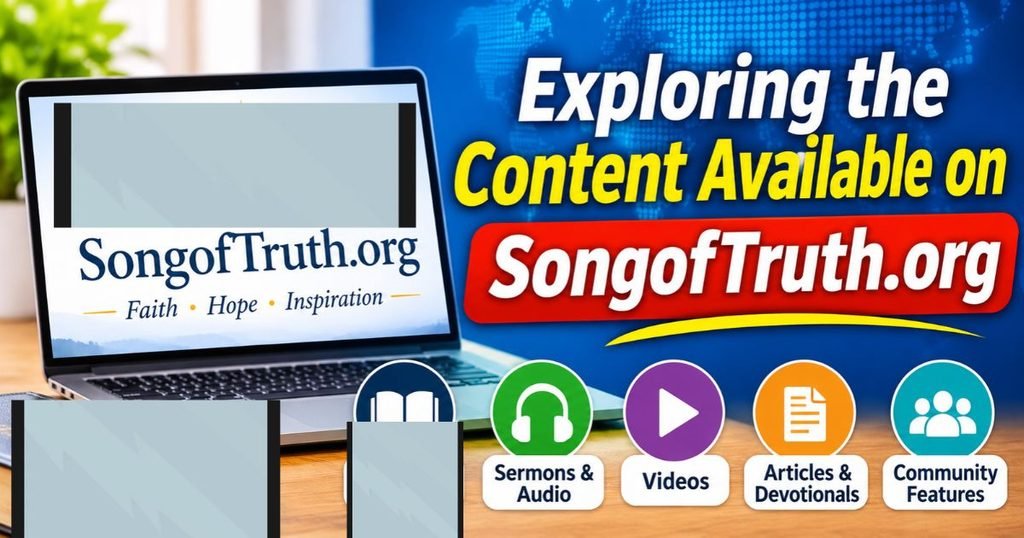
The content is mainly text-based articles, written in short, readable sections with clear headings. Topics span parenting, health, learning, and general family life. The style is informal, which suits readers who want quick answers without technical language.
Some articles run longer and cover a subject in more depth, while others stay brief and list simple tips. This variety means the site works well for light reading but may not satisfy readers who want detailed, research-heavy material. Knowing that in advance helps set realistic expectations.
When exploring, it is wise to sample several articles before deciding how much to trust the site. Compare the writing quality, the use of sources, and how up to date each post feels. A few minutes of checking will tell you more than any single review can.
Main Topics and Themes Covered
Across the site, a few themes keep appearing: family bonds, child growth, healthy habits, and learning at home. These topics reflect what many parents search for daily. The repeated focus gives the site a consistent identity even though individual posts vary.
Values such as honesty, kindness, and respect are common threads, in line with the site’s name. Articles often frame advice in positive, encouraging language rather than fear or pressure. Many readers find that tone more comfortable than strict, rule-heavy parenting guides.
Because the range is broad, depth can differ from one theme to another. A reader looking for one specific subject may need to search more than once. Pairing the site with other trusted resources usually gives a more complete picture.
The Importance of Family-Focused Online Resources
Families today rely on the internet for quick guidance, from sleep routines to school activities. Good online resources save time and help parents feel less alone with common challenges. They can also introduce ideas that parents might never have thought to search for.
However, the quality of online parenting content varies enormously. Some sites are written by experts and reviewed carefully, while others are produced quickly for traffic. That is why reading with a critical mind is just as important as finding the content in the first place.
The best family resources are transparent about who writes them, where their information comes from, and when it was last updated. Those habits build trust over time. When evaluating any site, including this one, those are the questions worth asking.
What Does Songoftruth. org Offer?
At a basic level, the site offers free articles on family-related topics that readers can access without signing up. That convenience is a real advantage for busy parents. There is no obvious barrier to entry, so anyone can start reading immediately.
Depending on the current version of the site, content may include parenting tips, wellness ideas, educational activities, and general lifestyle advice. Some descriptions also mention stories, poems, and music as part of the offering. Features can change, so it is worth browsing the live site to see what is currently available.
Visitors should not expect personalized coaching, medical consultation, or professional services. The site is an information source, not a service provider. Using it for what it is, a place for general ideas, keeps expectations realistic.
Author Names, Professional Credentials, and Editorial Responsibility
Author information is one of the most important trust signals on any website. Readers should be able to see who wrote an article, what qualifies them, and who is responsible for the content. Clear bylines and short bios make a site easier to trust.
An independent scan of the site flagged fictional author identities as a concern. That is a point worth checking for yourself. If author names appear without real credentials, photos, or verifiable backgrounds, readers should be more cautious, especially with health or child development advice.
Editorial responsibility also includes corrections, review processes, and contact details. Sites that explain how content is checked tend to earn more confidence. If this information is missing or vague, treat the articles as general reading, not as expert guidance.
Songoftruth. org Review: What the Research Found
Public information about the site is limited, and the sources that discuss it do not fully agree. Some describe it as a family learning platform built around stories and music. Other reviews take a more cautious view, so it makes sense to weigh them against each other.
One security review gave the site a suspicious rating of 55 out of 100, citing mixed content quality and monetization signals. The same scan found that all 92 threat engines reported it clean, meaning the site is not known to spread malware. Those two findings point in different directions and should be read together.
In short, the research suggests the site is not a technical danger, but its editorial transparency and content depth are open questions. Readers can reasonably use it for light, general ideas while verifying anything important elsewhere. That balanced approach fits what the evidence supports.
Is Songoftruth. org Legitimate and Trustworthy?
The site appears to be a real, operating website, not a scam page. The scan we reviewed found no scam complaints or user reports, and the domain has existed for several years. Those are reassuring signs for basic safety.
Trust in the editorial sense is a separate question. The same review noted signs that suggest a content-driven or monetization-focused site instead of a recognized nonprofit or media outlet. That doesn’t make the content useless, but it does mean readers should be careful about relying on it for health or child development decisions.
A practical approach is to treat the site as unverified until you confirm things yourself. Check the author information, look for sources, and compare key advice with established organizations. This keeps you safe while still allowing you to benefit from any helpful ideas.
What Makes Family-Focused Online Information Useful?
Useful family information is accurate, clear, and easy to apply. It should explain not only what to do but why it works, and it should acknowledge that families differ. Content that respects those differences tends to be more helpful than content that promises one perfect method.
Good information is also current. Parenting and health guidance change as research develops, so an old article can be outdated even if it was once correct. Publication and update dates help readers judge whether advice still holds up.
Finally, useful content points readers to further help when needed. Articles that recommend speaking with a doctor, teacher, or counselor for serious concerns show responsibility. That small habit separates careful publishers from those who are simply chasing clicks.
Website Credibility: What Should Visitors Check?
Before relying on any website, a few quick checks can save you from misleading information. These apply to SongofTruth.org and to any other site you visit. They take only a minute or two but make a big difference in how much trust the content deserves.
The table below summarizes the main checks. Each is explained in more detail in the sections that follow. If a site fails several of them, treat its content as entertainment or general reading rather than reliable advice.
| What to Check | What a Good Sign Looks Like | What a Warning Sign Looks Like |
| Author Qualifications | Named authors with verifiable backgrounds | Anonymous or unverifiable names |
| Supporting Evidence | Links to studies or recognized organizations | Big claims with no sources |
| Publication Dates | Clear dates and updates | No dates or very old posts |
| Privacy and Transparency | Clear contact info and policies | Missing policies or hidden ownership |
Author Qualifications
Start by looking at who wrote the article. A named author with a relevant background, such as a teacher, nurse, or child specialist, adds weight to the advice. A short bio or profile page is a good sign that the publisher stands behind its writers.
If the author is anonymous or the name can’t be verified, be cautious, especially on health topics. A quick web search of the author’s name can show whether the person really exists and has the stated experience. Lack of results is itself useful information.
Remember that credentials are not everything. A parent writing from experience can offer valuable, honest insight. The important thing is that the site is clear about who is speaking and what kind of authority they have.
Supporting Evidence
Strong articles back up their claims with evidence. That might mean linking to health organizations, referencing studies, or explaining the reasoning behind a tip. When a post makes a bold statement with nothing behind it, readers should pause.
You do not need to read every study yourself. A quick check that the source exists, and that it actually says what the article claims, is often enough. Be extra careful with claims about medicine, nutrition, or child development, where mistakes can matter.
If an article offers only opinions, that’s fine, as long as it presents them as opinions. Trouble starts when personal views are presented as proven facts. Honest writing makes the difference clear.
Publication Dates
Dates tell you whether information is still relevant. A parenting article from many years ago may reflect older recommendations that have since changed. Posts with clear publication and “last updated” dates make that easy to judge.
If a page has no date at all, treat the advice with caution. Undated content can be impossible to place in time, which makes it harder to trust. Check whether other sources currently agree with what the article says.
Regular updates are a good sign of an active, responsible publisher. A site that revisits older posts shows that it cares about accuracy. That habit builds credibility over the long term.
Privacy and Transparency
A trustworthy site explains who runs it and how it handles visitor information. Look for an About page, a contact method, and a privacy policy. These are basic signs of a publisher that is willing to be accountable.
Also pay attention to advertising and affiliate links. Many free websites earn money this way, which is normal, but it should be clear to readers. When commercial content is mixed into advice without labels, it can affect how objective the information is.
As a general rule, avoid entering sensitive personal details on any site that doesn’t clearly explain how data is used. For a simple reading site, you typically don’t need to share anything. Browsing with caution is a sensible default.
Benefits and Limitations of songoftruth.org
Like most general-interest blogs, SongofTruth.org has real strengths and real weaknesses. Understanding both gives you a fair picture of what the site can and can’t do for you. The comparison below offers a quick overview before the details.
The table shows the main trade-offs side by side. Some benefits come with a matching limitation, which is normal for a free, general-audience site. Weigh them against what you need from the site.
| Aspect | Benefit | Limitation |
| Access | Free, easy-to-read articles | Quality can vary between posts |
| Topics | Wide range of family subjects | Depth may be limited |
| Tone | Friendly and approachable | May lack expert authority |
| Trust | Not flagged for malware | Author transparency is unclear |
Potential Benefits
The biggest advantage is accessibility. Articles are free, written in plain language, and cover everyday topics that many parents care about. You can read quickly without registering, which suits busy schedules and mobile browsing.
The positive, values-oriented tone is another plus. Readers who prefer encouragement over strict instruction may find the content more comfortable. The range of topics also means you can find ideas for parenting, learning, and wellness in one place.
Finally, the site can serve as a springboard for further research. A tip or idea from one article may lead you to look into a subject more deeply with better sources. Used that way, even a general blog adds value.
Important Limitations
The main limitation is the uncertainty around authorship and editorial oversight. The security review’s concerns about fictional author identities and monetization signals are reasons to read carefully. Without verified expertise, the advice should not be treated as professional guidance.
Depth is another issue. Because the site covers many subjects, individual articles may stay at a surface level. Readers who need detailed, evidence-based information on a specific topic will likely need to look at specialist sources.
There is also little personalization. The content addresses a general audience and can’t account for your child’s health, age, or circumstances. For anything serious, professional advice is always the safer path.
Is songoftruth.org Worth Exploring?
For casual readers, yes, with realistic expectations. The site is free, easy to navigate, and covers topics many families find relevant. If you’re looking for light ideas about parenting, learning activities, or healthy routines, a few minutes of browsing can be worthwhile.
For serious decisions, it is better to rely on established sources. Questions about a child’s health, development, or safety deserve input from doctors, teachers, and recognized organizations. A blog, however friendly, can’t replace that.
The smartest approach is to combine the site with other trusted resources. Read it for inspiration, verify what matters, and trust your own judgment as a parent or caregiver. That balanced method lets you benefit without taking unnecessary risks.
Tips for Getting the Most Out of songoftruth.org
Start by choosing the topic that matters most to you, whether that is parenting, development, wellness, or learning. Reading two or three related articles gives you a better sense of the site’s quality than reading just one. Take notes on ideas you want to try.
Always check the date and the author before acting on advice. If something sounds too good to be true, or makes strong health claims, confirm it with a trusted source. A quick search on a recognized health or education website usually settles the question.
Finally, use the site as one tool among many. Combine it with advice from professionals, books, and other parents you trust. Staying curious but careful is the best way to get real value from any online resource.
Frequently Asked Questions (FAQs)
What is SongofTruth.org?
SongofTruth.org is a general-interest family website that publishes articles on parenting, child development, healthy living, and learning activities. It works like a blog, with free articles that readers can browse without an account. Some sources also describe it as a platform that uses stories and music to teach values.
Is SongofTruth.org safe to visit?
An independent scan found no malware threats, and all 92 security engines reported the site as clean. The same scan found no scam complaints or user reports. As with any website, avoid sharing sensitive personal details unless the site clearly explains how it uses them.
Is SongofTruth.org legit?
It appears to be a real, operating website that has existed since 2021. However, the same scan gave it a suspicious rating of 55 out of 100 for mixed content quality, unclear author identities, and monetization signals. So it is real, but its editorial trustworthiness is unverified.
Is SongofTruth.org a nonprofit or religious organization?
The .org extension suggests this to many people, but anyone can register a .org domain. The site’s content reads more like a general family blog than a ministry or charity. Check the About page and any legal information before assuming nonprofit status.
Can I trust the parenting and health advice on SongofTruth.org?
Treat it as general inspiration, not professional guidance. Authorship and sourcing are unclear, which matters most for health and child development topics. Always confirm important advice with a pediatrician, teacher, or recognized health organization.
Who is SongofTruth.org best for?
It suits new parents, experienced parents, caregivers, and readers interested in family wellness who want light, easy-to-read ideas. It is less suited to readers who need expert, evidence-based detail on a specific issue. Pair it with trusted sources for the best results.
Does SongofTruth.org cost money?
The articles appear to be free to read, and no subscription or account is needed to browse. Like many free blogs, it may earn money through advertising or other commercial links. Watch for unlabeled promotions mixed into advice.
How can I check if a family website is trustworthy?
Look at four things: who wrote the article and their qualifications, whether claims are backed by sources, how recent the publication date is, and whether the site explains who runs it and how it handles privacy. A site that fails several of these checks should be read with caution.
Conclusion
SongofTruth.org is a free, easy-to-read family website covering parenting, child development, healthy living, and learning. Its friendly, values-focused tone and wide range of topics make it a pleasant place to find everyday ideas. It also appears to be technically safe, with no malware flagged and no scam reports found.
The main concern is transparency. Unclear authorship, uneven depth, and signs of monetization mean its advice should not replace professional guidance, especially on health and child development. The smartest approach is to read it for inspiration, verify anything important elsewhere, and rely on your own judgment as a parent or caregiver.



Leave a Reply