

Good health rarely comes from one big change. It usually comes from small, repeatable choices that fit into a normal day. That idea sits at the center of WutawHealth, a practical approach to wellness built on easy habits instead of strict rules or expensive plans.
In 2026, many people feel pulled in every direction by work, family, screens and a constant stream of conflicting advice. They want health tips that are clear, realistic and sustainable. The tricks covered here focus on food, movement, sleep, stress, home organization and preventive care, all in simple language.
This guide walks through what WutawHealth means, fifteen daily health hacks, and how to turn them into a routine that lasts. It also covers common mistakes, advice for busy people and answers to frequently asked questions. Read it as a general lifestyle guide, not as medical advice.
What Is The Tricks WutawHealth?

The Tricks WutawHealth is a way of describing small, everyday wellness habits that add up to better living. Instead of promising dramatic results overnight, it focuses on steady improvements. Drinking enough water, eating more colorful food and sleeping on a schedule are good examples. Each one is simple, but together they shape how you feel every day.
The idea works because it removes the pressure to be perfect. Many people quit health plans because the plans are too complicated or too strict. WutawHealth encourages you to start with one or two changes and build from there. When a habit feels easy, you are far more likely to repeat it tomorrow and next week.
It also treats health as a whole picture. Physical health, mental well-being, home environment and social life all influence one another. A cluttered home can raise stress, and poor sleep can affect food choices. By looking at these areas together, the approach helps you spot small changes that make the biggest difference.
Wellness Tips for Healthier Daily Habits
Healthy daily habits begin with consistency rather than intensity. A ten-minute walk done every day is more useful than a two-hour workout done once a month. Choose actions that take little time and little willpower. Over weeks, they become automatic, and you stop needing motivation to follow them.
Pay attention to the basics first: water, balanced meals, movement, sleep and stress. These five areas support almost everything else in your health. If one of them is weak, it can drag the others down. Start with the area that feels hardest at the moment and make one small improvement there.
Tracking progress can help, but keep it light. A simple note on your phone or a checkmark on a calendar is enough. The goal is to notice patterns, such as which days you feel more energetic and what you did differently. Over time, those observations show you what your own body responds to best.
Smart Home Hacks and Organization Ideas
Your home environment quietly shapes your habits. If fruit sits on the counter and snacks are hidden, you will probably reach for the fruit. If your water bottle is visible, you will drink more. Arranging your space so healthy choices are the easy choices is one of the smartest wellness tricks available.
Organization also supports mental health. A tidy kitchen makes cooking at home less stressful, and a calm bedroom makes sleep easier. You do not need a full renovation. Clearing one surface, adding a basket for loose items or setting aside a corner for stretching can change how a room feels and functions.
Simple routines help the home stay in order. Spend five minutes each evening resetting the kitchen and putting items back where they belong. Prepare a small bag with workout clothes or a book for your screen-free time. These small preparations remove friction, so healthy actions happen with less effort and fewer excuses.
Tricks WutawHealth: 15 Simple Daily Health Hacks for a Healthier Life
Tricks WutawHealth: 15 Simple Daily Health Hacks for a Healthier Life is all about making small, positive changes to your daily routine that can improve your overall health and well-being. Living a healthier life does not always require expensive products, strict diets, or complicated workout plans. Simple habits such as drinking enough water, eating nutritious meals, walking regularly, getting enough sleep, managing stress, and maintaining good personal hygiene can make a meaningful difference over time.
These 15 practical daily health hacks are designed to help you build healthier habits, boost your energy, support your physical and mental wellness, and enjoy a more balanced lifestyle. Whether you are a busy professional, a student, or someone looking to improve your everyday routine, these easy tips can help you take small steps toward a healthier and happier life.
What Are Tricks WutawHealth?
Tricks WutawHealth are short, practical actions you can add to your day without special equipment or training. They cover eating, moving, resting, managing stress and caring for your body over the long term. Each trick is small by design, which makes it easier to start and easier to keep going.
The fifteen tricks below are meant to be picked from, not followed all at once. Choose the ones that match your life and ignore the rest for now. A person with a desk job may focus on movement breaks, while a parent with a packed schedule may prefer quick meal ideas and stress techniques.
As you read, think about which habit you could start this week. One new habit practiced well is worth more than ten habits started and dropped. You can always return to the list later and add another trick once the first one feels natural.
1. Start Your Morning With Water
After several hours of sleep, your body is naturally a little dehydrated. A glass of water first thing in the morning is an easy way to begin rehydrating. It takes less than a minute and requires no preparation beyond keeping a glass or bottle near your bed or in the kitchen.
Staying hydrated supports energy, concentration and digestion. Many people mistake thirst for tiredness or hunger, so drinking water early can help you feel more alert. If plain water feels boring, add a slice of lemon, cucumber or mint. These touches make the habit more enjoyable without adding sugar.
Make the habit stick by linking it to something you already do. Drink your water before coffee or right after brushing your teeth. Carry a refillable bottle through the day so that hydration continues past the morning. Your needs vary with climate, activity and health, so adjust the amount to suit you.
2. Combine Foods for Better Nutrient Absorption
What you eat together can matter as much as what you eat. Some nutrients are absorbed more easily when paired with others. For example, vitamin C from citrus, peppers or tomatoes can help the body absorb iron from beans, lentils and leafy greens. Smart pairing makes ordinary meals work harder for you.
Healthy fats are another useful partner. Vitamins A, D, E and K dissolve in fat, so adding olive oil, nuts or avocado to a vegetable salad helps your body use those vitamins. A drizzle of dressing is not just for flavor. It can improve the nutritional value of the whole plate.
You do not need to memorize complicated food charts. Aim for meals that mix vegetables, protein, whole grains and a source of healthy fat. Add something fresh or tangy, such as lemon juice or tomatoes, when you can. These natural combinations are common in many traditional cuisines for good reason.
3. Fill Your Plate With Colorful Foods
Color is a quick visual guide to variety. Red tomatoes, orange carrots, green spinach, purple cabbage and yellow peppers each contain different plant compounds and nutrients. When your plate has several colors, you are more likely to be getting a wide range of vitamins, minerals and fiber.
This trick is easy to apply because it does not require counting anything. Simply look at your plate and ask whether it looks bright and varied. If it is mostly beige, add a handful of berries, a side salad or some roasted vegetables. Frozen and canned produce can work too, and they are often more affordable.
Colorful eating also makes meals more enjoyable. Food that looks appealing is easier to appreciate and slow down for. Try adding one new fruit or vegetable each week to avoid getting stuck in a rut. Over time, you build a broader palate and a more nutritious routine without feeling restricted.
Also Like To Read This: TheLaptopAdviser 2026: Gaming Laptop Reviews, Buying Tips &
4. Take a Short Walk After Meals
A gentle walk after eating is one of the simplest wellness habits. Even ten to fifteen minutes can support digestion and help the body handle the energy from a meal. It also gives you a break from sitting, which many people do for hours at a time.
Walking after meals can be social and relaxing, too. Invite a family member, call a friend on the phone while you stroll or listen to a podcast. Linking the walk to something enjoyable makes it more likely you will keep doing it. It can also clear your mind before returning to work.
Keep the pace comfortable rather than intense. You are not trying to exercise hard on a full stomach. If the weather is poor, walk around your home or the office instead. People with medical conditions, such as diabetes, should ask their healthcare provider how best to use this habit.
5. Build Healthy Habits Through Habit Stacking
Habit stacking means attaching a new habit to one you already have. Because the old habit is automatic, it acts as a reminder for the new one. For example, after you pour your morning coffee, you might stretch for two minutes. The existing routine becomes the trigger.
The key is to make the new habit very small at first. Do one minute of deep breathing or write one line in a journal. Small actions feel easy, so you rarely skip them. Once they become routine, you can slowly expand them. Starting tiny is not a failure; it is a smart strategy.
Write your stacks as simple sentences, such as “After I brush my teeth, I will floss.” Place visual cues where you will see them, like a vitamin box next to the kettle or a yoga mat by the sofa. Review your stacks every few weeks and adjust anything that is not working.
6. Prioritize Seven to Nine Hours of Sleep
Sleep is when the body repairs itself and the brain processes the day. Most adults do best with around seven to nine hours each night. Regularly getting less can affect mood, focus, appetite and overall health. Treating sleep as a priority, not a luxury, is one of the most valuable choices you can make.
A consistent schedule helps enormously. Going to bed and waking up at similar times, even on weekends, trains your internal clock. Create a calming wind-down routine, such as dimming the lights, reading or taking a warm shower. These cues tell your body that it is time to rest.
Make your bedroom cool, dark and quiet. Limit caffeine in the afternoon and avoid heavy meals right before bed. If you struggle with sleep for a long time, or you snore loudly or feel exhausted despite enough hours, speak with a healthcare professional. Persistent sleep problems deserve proper attention.
7. Practice Mindful Eating
Mindful eating means giving full attention to your meal. Instead of eating while scrolling or working, you notice flavors, textures and the signals your body sends. This slower approach can help you recognize when you are satisfied, which makes it easier to avoid eating too much or too little.
Start with one meal a day. Sit at a table, put your phone away and take a few slow breaths before the first bite. Chew thoroughly and pause between mouthfuls. You may find that simple foods taste better and that smaller portions feel more satisfying than expected.
Mindful eating is not about rules or guilt. It is about curiosity and awareness. Notice whether you are eating because you are hungry, bored, stressed or tired. That awareness gives you choices. Over time, it can build a healthier and calmer relationship with food.
8. Reduce Excess Salt With Herbs and Spices
Too much salt is common in modern diets, especially from packaged and restaurant foods. Over time, a high intake can affect blood pressure for many people. Herbs and spices offer a flavorful way to cut back without making meals taste dull.
Try garlic, black pepper, paprika, cumin, oregano, basil or fresh coriander. Citrus juice and vinegar also add brightness that reduces the need for salt. Experiment with spice blends and homemade seasoning mixes. Many people find their taste buds adjust within a few weeks and begin to prefer less salty food.
Read labels on sauces, canned goods, snacks and bread, since salt often hides there. Cooking more meals at home gives you better control over what goes into your food. If you have been advised to follow a specific sodium limit by a doctor, stick to that guidance.
9. Find Opportunities to Move Throughout the Day
Sitting for long stretches is a modern habit that the body is not designed for. Regular movement breaks help circulation, posture and energy. You do not need a gym to stay active. Small bursts of activity spread through the day can add up to a meaningful amount.
Take the stairs, park a little farther away or stand during phone calls. Set a reminder to stand and stretch every thirty to sixty minutes. Do a few squats while the kettle boils, or walk around while listening to a meeting. These micro-movements are easy to fit into any schedule.
Choose activities you genuinely enjoy, whether that is dancing, cycling, gardening or playing with children. Enjoyment is what keeps people moving for years. If you have joint problems, an injury or a health condition, begin gently and check with a professional about suitable activities.
10. Use Simple Techniques to Manage Stress
Stress is a normal part of life, but constant stress can wear down both body and mind. Short, simple techniques can help you reset during the day. Slow breathing is one of the easiest. Inhale for four counts, hold briefly and exhale for six counts. A few rounds can calm the nervous system.
Other helpful practices include stretching, journaling, listening to music and spending time outdoors. Even a five-minute pause away from your desk can reduce tension. Experiment to see what works for you, because different people relax in different ways. Keep your favorite methods easy to reach.
Talking to someone you trust is also powerful. Sharing worries with a friend or family member often makes problems feel more manageable. If stress becomes overwhelming, or you notice ongoing anxiety or low mood, reach out to a doctor or mental health professional. Seeking support is a sign of strength.
11. Create a Screen-Free Morning or Evening
Screens are useful, but constant use can crowd out rest, conversation and quiet time. Choosing a screen-free window each day gives your mind a break. Many people pick the first thirty minutes after waking or the hour before bed, since these times influence mood and sleep.
In the morning, a screen-free start lets you set your own priorities instead of reacting to messages. Use that time to stretch, drink water, eat breakfast or simply sit quietly. In the evening, avoiding bright screens may help you wind down and fall asleep more easily.
Make it practical by charging your phone outside the bedroom and using a regular alarm clock. Replace scrolling with something enjoyable, such as reading, cooking or a board game. Begin with fifteen minutes if a full hour feels hard. The benefit comes from consistency, not perfection.
12. Choose Smart, Satisfying Snacks
Snacks can either support your energy or derail it. Smart snacks combine fiber, protein and healthy fat, which help you feel full longer. Examples include apple slices with peanut butter, yogurt with berries, hummus with carrots, a handful of nuts or boiled eggs. They are filling and easy to prepare.
Planning ahead is the secret. Wash and chop fruit and vegetables at the start of the week and store them in clear containers. Keep small portions of nuts or seeds in your bag. When healthy options are visible and ready, you are less likely to grab chips or sweets out of convenience.
Eat snacks when you are actually hungry, not just out of habit. Pay attention to portion size and enjoy the food slowly. Occasional treats are fine and part of a balanced life. The goal is not to ban favorite foods but to make nourishing choices most of the time.
13. Maintain Good Dental Hygiene
Oral health is closely tied to overall health. Brushing twice a day with fluoride toothpaste and cleaning between your teeth daily helps prevent cavities and gum disease. These habits take only a few minutes, but they protect your teeth for decades.
Brush gently for about two minutes, covering all surfaces, and replace your toothbrush every three months or when the bristles fray. Flossing or using interdental brushes removes food and plaque that brushing misses. Limiting sugary drinks and snacks also reduces the risk of decay.
Regular dental checkups allow problems to be caught early, when they are easier and cheaper to treat. If you notice bleeding gums, persistent bad breath, tooth pain or sensitivity, book an appointment. Good dental care is a small daily investment with long-term rewards for comfort and confidence.
14. Make Preventive Healthcare a Priority
Prevention means finding and addressing health issues before they become serious. Routine checkups, screenings, vaccinations and eye exams are all part of this. Many conditions develop quietly, so regular testing can reveal problems that you might not notice yourself.
Keep track of appointments in a calendar and note your family health history so your doctor has a complete picture. Screening recommendations differ by age, sex and risk factors, so ask your provider what is right for you. Do not wait for symptoms to appear before seeing a professional.
Daily habits and medical care work best together. Healthy eating, activity and sleep reduce risk, while checkups confirm that things are on track. If cost or access is a concern, look into community clinics or public health programs. Taking care of yourself early is one of the kindest things you can do.
15. Build Strong Social Connections
Relationships have a real effect on well-being. People with supportive friends, family and community tend to cope better with stress and often feel happier. Social connection gives life meaning and offers comfort during hard times. It is as much a part of health as food or exercise.
You do not need a huge social circle. A few trusted people are enough. Make time for regular calls, shared meals, walks or hobbies. Small gestures, like sending a message to check in, keep bonds strong. Joining a club, class or volunteer group can also help you meet like-minded people.
If you feel lonely, start small and be patient. Say hello to neighbors, attend local events or reconnect with an old friend. Be present when you spend time with others by putting your phone away. Quality attention builds closeness, and closeness supports lasting health.
How to Build a Simple Daily Health Routine
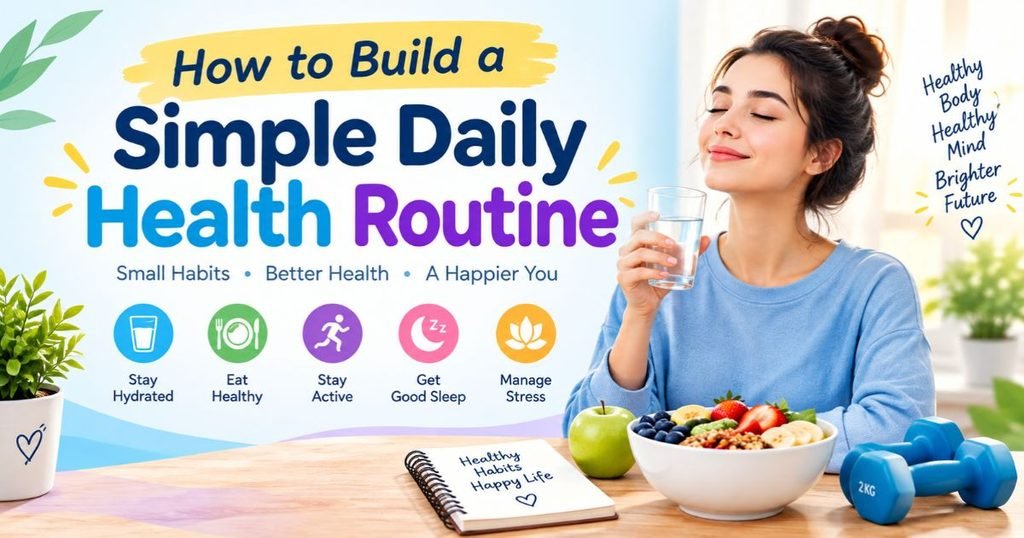
A good routine begins with a few anchor points. Pick a morning habit, a midday habit and an evening habit. For example, drink water when you wake, take a short walk after lunch and set a screen-free wind-down before bed. Three small anchors are easier to remember than a long list.
Keep your routine flexible. Life changes, and some days will not go as planned. Have a minimum version of each habit, such as a two-minute stretch instead of a full session. Doing the small version on a busy day keeps the chain unbroken and protects your confidence.
Review your routine weekly. Ask what felt easy, what felt hard and what you would like to adjust. Add one new habit only when the existing ones feel natural. Here is a sample structure to get you started:
| Time of Day | Sample Habit | Time Needed |
| Morning | Glass of water and light stretching | 5 minutes |
| Midday | Colorful lunch and short walk | 15 minutes |
| Afternoon | Smart snack and movement break | 5 minutes |
| Evening | Screen-free wind-down and herbal tea | 20 minutes |
| Night | Dental care and consistent bedtime | 10 minutes |
Common Mistakes to Avoid When Following Health Hacks
One of the biggest mistakes is trying to change everything at once. Starting ten new habits on Monday usually leads to burnout by Friday. Choose one or two and practice them until they feel normal. Slow progress is still progress, and it tends to last longer.
Another mistake is believing every trend or quick fix. Not all health advice online is reliable, and extreme claims should raise suspicion. Look for guidance based on solid evidence and consult qualified professionals for personal concerns. A hack that sounds too good to be true usually is.
People also forget that health is personal. What works for a friend may not suit your body, schedule or medical situation. Listen to your own signals and adjust. The table below summarizes common pitfalls and better approaches:
| Common Mistake | Better Approach |
| Changing too many habits at once | Start with one or two small habits |
| Following extreme trends | Choose evidence-based, balanced advice |
| Ignoring sleep and stress | Treat rest as a core part of health |
| Skipping checkups | Schedule regular preventive care |
| Aiming for perfection | Aim for consistency and forgive slip-ups |
Lifestyle Advice for Busy People
Busy schedules do not have to block healthy living. The key is to use small pockets of time. Prepare simple meals in batches on the weekend, keep healthy snacks within reach and use short breaks for stretching or breathing. Ten minutes here and there add up quickly.
Look for ways to combine tasks. Walk during phone calls, cook while listening to music, or have a standing meeting. Use a calendar to protect time for exercise, meals and sleep just as you would for work appointments. Treat these as commitments, not optional extras.
Be realistic and kind to yourself. Some weeks will be harder than others, and that is normal. When life gets chaotic, return to the basics: water, a decent meal, movement and rest. Saying no to extra demands is also a health habit. Protecting your energy helps you perform better everywhere.
Who Can Benefit From WutawHealth?
Almost anyone can benefit from simple health habits. Students can use them to stay focused and energized, and office workers can use them to counter long hours of sitting. Parents can adopt quick routines that fit around family life, and older adults can use gentle habits to support independence and vitality.
Beginners especially appreciate the low-pressure style. If you have never followed a wellness plan, these tricks offer an easy entry point. They require no special equipment, strict diets or large budgets. You can begin with what you already have at home and build confidence gradually.
That said, these tips are general. People with medical conditions, pregnancy, allergies or special dietary needs should talk to a healthcare professional before making major changes. Personalized guidance ensures that your habits are safe and effective for your specific situation.
What Makes The Tricks WutawHealth Useful?
The main strength of this approach is simplicity. Every trick is short, clear and doable. There is no confusing jargon or demanding schedule. When advice is easy to understand and apply, people actually follow it, and following it is what produces results.
Another strength is balance. The tricks cover nutrition, movement, sleep, stress, home life, preventive care and relationships. This whole-person view prevents you from focusing on one area while neglecting others. Real well-being comes from many small parts working together.
Finally, the approach is sustainable. Because the habits are small and flexible, they fit into real life and can last for years. They encourage patience and self-compassion rather than guilt. Over time, these modest daily choices can build energy, resilience and a better quality of life.
Frequently Asked Questions
What is WutawHealth?
WutawHealth refers to a collection of simple, everyday wellness tricks that help you build healthier habits. It focuses on food, movement, sleep, stress management and preventive care in a practical, beginner-friendly way.
How do I start with these health tricks?
Pick one or two habits that feel easy, such as drinking water in the morning or walking after meals. Practice them for a few weeks before adding more.
How long does it take to see results?
Some benefits, like better energy or mood, may appear within days or weeks. Larger changes take longer. Consistency matters more than speed.
Can these tips replace medical advice?
No. They are general lifestyle suggestions. Always consult a doctor or qualified professional for diagnosis, treatment or personal health concerns.
How much sleep do I really need?
Most adults do well with seven to nine hours per night, though individual needs vary. If you often feel tired despite enough sleep, speak with a healthcare provider.
What if I miss a day?
Missing a day is normal. Simply continue the next day. One missed habit does not undo your progress.
Are these habits suitable for busy people?
Yes. Most take only a few minutes and can be woven into existing routines, which makes them ideal for packed schedules.
Conclusion
Better health does not require perfection or a complete lifestyle overhaul. It grows from small, steady choices: a glass of water in the morning, a colorful plate, a walk after lunch, a calm evening and regular checkups. The Tricks WutawHealth bring these choices together in a way that is simple and realistic.
Start with one habit that feels easy and let it settle before adding another. Keep your home and routine set up so healthy options are close at hand. Be patient with yourself, and remember that every small step counts toward a healthier, happier life.
If you are unsure about any change, especially with a medical condition, ask a healthcare professional. With consistency and kindness toward yourself, these everyday tricks can help you feel better in 2026 and for years to come.



Leave a Reply