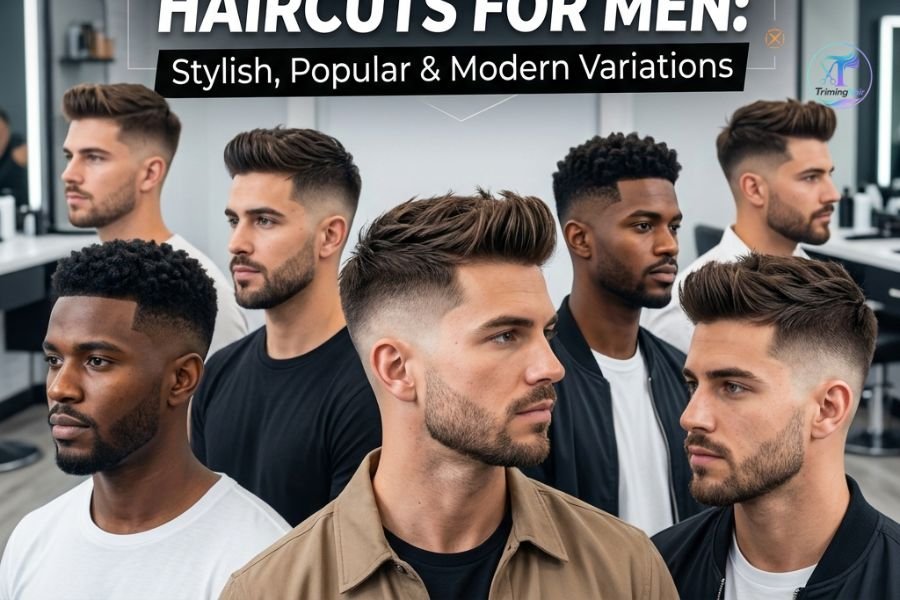
If you’ve spent any time in a barbershop chair lately, chances are you’ve heard the term mid fade more than once. It’s become the default request for men who want a haircut that looks sharp and current without swinging into high-maintenance territory or feeling too plain. The appeal is simple: a mid fade blends short sides into a longer top with just the right amount of contrast, and it works with nearly any hair type, face shape, or personal style.
This guide breaks down everything worth knowing about mid fade haircuts for men, from 33 of the most popular variations to how they compare against low and high fades, how to actually ask for one, and the small mistakes that can throw off an otherwise great cut. Whether you’re walking into a barbershop for the first time or looking to switch up a style you’ve worn for years, you’ll find a version of the mid fade here that fits.
What Is A Mid Fade?
A mid fade is one of the most versatile haircuts a man can ask for, blending short sides with longer hair on top through a fade that starts around the middle of the head. It sits right between a low fade and a high fade, which is exactly why it works on almost any face shape or hair type. Mid fade haircuts for men give barbers room to get creative with the top while keeping the sides clean and controlled.
What makes the mid fade so popular is its balance. It’s sharp enough to look intentional and groomed, but not as dramatic or attention-grabbing as a high fade. That middle-ground quality is why it shows up constantly in barbershops, whether the client wants something classic or something with a bit more edge on top.
Why the Starting Position Matters
The fade’s starting point above the ear is what separates a mid fade from a low or high fade, and it changes the entire silhouette of the haircut. Starting in the middle keeps more length on the sides than a high fade while still creating visible contrast, giving the cut a balanced, tapered look. This position is also more forgiving for growing hair between appointments.
The Most Requested Barbershop Cut
Ask any barber and they’ll likely tell you the mid fade is one of the top requests they get in a given week. It photographs well, works with nearly every top style, and doesn’t require the constant upkeep that a high skin fade demands. That combination of low maintenance and consistently sharp appearance keeps it in steady rotation.
Who A Mid Fade Works Best For
Mid fades flatter a wide range of face shapes because the fade height can be adjusted slightly to balance proportions. Round faces often benefit from added height on top paired with a mid fade, while square or oval faces can wear almost any top style with this fade. It’s a genuinely adaptable cut, not one limited to a specific look or age group.
Popular Mid Fade Haircuts
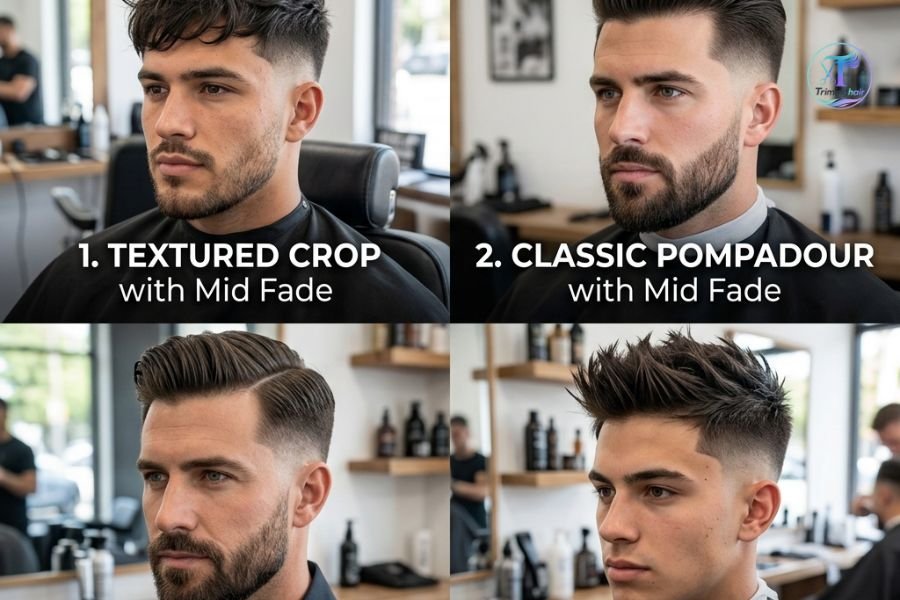
There’s no single way to wear a mid fade, which is part of why it remains such a popular request. From textured crops to slicked-back styles, curly tops to buzzed designs, the fade itself acts as a clean foundation that different top styles can be built on. Below are 33 of the most requested mid fade haircuts for men right now.
Each variation pairs the same core fade technique with a different top length, texture, or styling approach, so there’s a version here for straight, wavy, curly, and coily hair alike. Bring any of these into your next barbershop visit as a reference, or mix elements from a few to build something that fits your own hair and routine.
Side Part with Mid Fade
A side part paired with a mid fade is a timeless combination that reads as polished without feeling stiff. The part creates a crisp line that draws attention upward, while the fade underneath keeps things tidy and low-maintenance. It works especially well for office settings or anywhere a slightly more formal look is expected.
Long Curly Hair with Mid Skin Fade
Leaving the curls long on top and pairing them with a mid skin fade creates striking contrast between texture and precision. The skin fade removes all bulk from the sides, letting the curls take center stage without looking messy. This style is a favorite among men who want to keep their natural curl pattern visible and prominent.
Mid Drop Fade
A drop fade curves downward behind the ear instead of staying level, giving the haircut a more dynamic, sloped line. Combined with a mid starting point, it adds subtle movement to the overall shape without looking overly styled. It’s a small technical detail that makes a noticeable difference in how the cut sits.
Mid Skin Fade
The mid skin fade takes the sides all the way down to bare skin at the bottom, creating the sharpest possible contrast against the top. It’s a bolder statement than a taper but still starts at a moderate height, keeping it wearable for everyday life. This is often the go-to choice for men who want maximum definition.
Short Mohawk with Mid Fade
A short mohawk narrows the top section into a defined strip while the mid fade handles everything on the sides. It’s an edgier take that still stays office-appropriate because the mohawk width can be kept subtle. Styling gel or a light pomade helps keep the strip standing without looking overly dramatic.
Textured Crop with Skin Fade
The textured crop is short, choppy, and low-effort, making it one of the easiest top styles to maintain alongside a skin fade. A few minutes of finger-styling with a matte product is usually all it takes. It’s a great option for guys who want a modern look without a lengthy morning routine.
Modern Side Part with Mid Skin Fade
This updated take on the classic side part uses a harder, more defined line and pairs it with a skin fade instead of a taper. The result feels sharper and more current than the traditional version. It suits men who like a bit more contrast and definition in their everyday style.
Mid Fade with Design
Adding a shaved design, whether a simple line or something more intricate, turns a standard mid fade into a personalized statement piece. Designs are usually placed near the temple or part line where they’re most visible. This option works best for men comfortable with more frequent touch-up visits to keep the lines sharp.
Mid Temp Fade
A mid temp fade, or temple fade, focuses the fading specifically around the temple area rather than blending across the whole side. It’s subtler than a full mid fade and often chosen by men who want just a hint of contrast. This style pairs well with longer top lengths that need a clean edge.
High Volume Brush Back with Mid Skin Fade and Beard
Brushing the top up and back adds noticeable height and volume, creating a bold silhouette when paired with a mid skin fade. Adding a well-groomed beard ties the whole look together and adds visual weight at the bottom of the face. This combination reads as confident and put-together with minimal daily effort once styled.
Spiky Hair with Mid Taper Fade
Spiky textures bring an energetic, youthful edge, and a mid taper fade keeps the sides softer than a skin fade would. The taper leaves a touch of length rather than going bare, which some guys prefer for a less severe contrast. A strong-hold styling product is essential to keep the spikes defined throughout the day.
Broccoli Cut with Mid Fade
The broccoli cut features tight curls left long and bunched on top, resembling the texture the name suggests, and it pairs naturally with a mid fade underneath. It’s a trend-driven style that works best on naturally curly or permed hair. The fade keeps the sides clean so the curly volume on top doesn’t look unintentional.
Mohawk with Burst Mid Fade
A burst fade curves around the ear instead of cutting straight across, and combining it with a mohawk creates a distinctive rounded transition. This version feels more tailored than a standard mohawk fade because of that extra shaping detail. It’s a strong choice for men who want their haircut to stand out.
Mid Burst Fade
Beyond the mohawk pairing, a mid burst fade on its own is a great option for men who like the rounded, ear-hugging blend but don’t want a mohawk on top. It softens the transition around the ear compared to a straight fade line. This detail is subtle but often noticed and appreciated by barbers and clients alike.
Short Hair with Mid Fade
Keeping the top short all around and pairing it with a mid fade creates one of the lowest-maintenance haircuts on this list. There’s minimal styling required since the length on top is already close-cropped. It’s an ideal choice for men who want a clean look without spending time on product or daily upkeep.
Buzz Cut with Mid Fade and Beard
A buzz cut on top combined with a mid fade on the sides creates a uniform, no-fuss look that’s easy to maintain between cuts. Adding a beard breaks up the simplicity and adds shape to the face. This pairing is popular with men who want a masculine, low-effort style that still looks deliberate.
Modern Mullet with Mid Fade
The modern mullet keeps length in the back while fading the sides with a mid fade, giving it a cleaner, more wearable update than the mullets of decades past. It’s a bolder style choice that leans into current trends. This works best for men who already have some length to grow out in the back.
Trendy Parted Style with Mid Fade
A trendy parted style takes the traditional part and updates it with a more textured, less rigid finish on top. Paired with a mid fade, it feels current without abandoning a classic structure. It’s a solid middle ground for men transitioning from a conservative cut to something with more personality.
Mid Fade with Brushed Forward Waves
Brushing the top forward instead of back creates a softer fringe effect, and it works particularly well with naturally wavy hair. The mid fade underneath keeps the look from feeling unkempt despite the relaxed forward direction. A light pomade or wax helps hold the waves in place through the day.
Long Textured Fringe with Mid Fade
A longer fringe left textured and slightly messy on top creates contrast against the precision of a mid fade below. This style has a laid-back, effortless quality even though it still requires regular trims to maintain the fringe length. It suits straight to wavy hair types best.
Short Slick Back with Mid Fade and Beard
A short slick back keeps the top compact while still allowing for a polished, swept-back finish. Combined with a mid fade and a groomed beard, it creates a sharp, professional look suitable for both work and evenings out. A pomade with a strong hold is typically needed to keep shorter hair slicked in place.
Textured French Crop with Mid Fade
The textured French crop features a blunt fringe with textured length on top, and it pairs cleanly with a mid fade for a modern European-inspired look. It’s become a favorite among younger men for its low styling requirements. The fringe can be worn straight down or slightly tousled depending on preference.
Mid Fade Quiff
The quiff lifts hair up and back from the forehead, creating height and volume at the front, and a mid fade keeps the sides from competing with that statement. It’s a versatile style that can be dressed up or down depending on how much volume is styled in. This remains one of the most requested top styles overall.
Edgar Cut with Mid Fade (Takuache)
The Edgar cut, also known as the Takuache cut, features a straight-across fringe with rounded sides, and it’s often paired with a mid fade for extra definition. This style has grown significantly in popularity, especially among younger men. The blunt fringe line requires more frequent trims to stay crisp.
Mid Fade Comb Over
A comb over directs the top hair to one side over a defined part, and a mid fade gives it a cleaner base than a traditional taper. It’s a slightly more formal option that still feels modern thanks to the fade underneath. This works particularly well for straight or slightly wavy hair types.
Mid Fade with Afro Top
Leaving natural afro texture full on top and pairing it with a mid fade creates a striking contrast between volume and precision. The fade keeps the sides controlled while letting the natural texture shine without any need for straightening or heavy product. This is a strong option for men with coily or Type 4 hair.
Two Block with Mid Fade
Originally popularized in Korean fashion, the two block cut features noticeably longer hair on top with a sharp, short section underneath, and a mid fade updates the underneath portion nicely. It creates a distinct silhouette that stands apart from typical Western fade styles. The top can be styled straight down, textured, or swept to either side.
Mid Fade with Middle Part Curtains
Curtain bangs parted in the middle have remained popular for several years, and a mid fade gives the sides a cleaner, more current finish than they traditionally had. This style works best with naturally straight or wavy hair that falls easily into place. It requires minimal daily styling beyond a quick comb-through.
Mid Fade with Hard Part
A hard part is a shaved line separating the part from the rest of the hair, adding a crisp, graphic detail to any top style. Paired with a mid fade, it creates a fully sculpted, intentional look from top to bottom. This detail needs regular touch-ups to stay sharp as hair grows out.
Also Like To Read This: Buzz Cut for Men: 21 Classic and Modern Hairstyles to Try
Mid Fade Faux Hawk
The faux hawk mimics the shape of a mohawk without shaving the sides as tightly, using product to create height down the center instead. A mid fade on the sides gives it structure while keeping it more subtle than a true mohawk. It’s a good transitional style for men easing into bolder cuts.
Mid Fade Caesar Cut
The Caesar cut features short, horizontally textured hair with a straight fringe, and a mid fade brings it a more contemporary edge than the classic low-maintenance version. It remains one of the simplest styles to maintain since there’s little length to manage on top. This cut suits nearly every hair type.
Mid Fade with Short Twists
Short twists on top paired with a mid fade give natural hair texture a defined, structured look. The twists add dimension while the fade keeps the perimeter sharp and clean. This style requires some regular maintenance to re-twist as hair grows but offers a distinctive, textured finish.
The Curly Hair Fade
For men with naturally curly hair, letting the curls sit at a medium length on top and fading the sides keeps the style manageable without flattening the curl pattern. This general curly fade approach is a foundation many of the styles above build from. It’s especially popular because it works with hair’s natural texture rather than against it.
Mid vs Low vs High Fade
Fades are typically categorized by where they start on the head, and that starting point changes the entire look and feel of the haircut. A low fade begins just above the ear, a mid fade starts around the temple area, and a high fade begins well above the ear near the top of the head. Each height creates a different amount of contrast and requires a different maintenance schedule.
Choosing between them often comes down to personal style and how bold a look someone wants. Low fades are the most subtle and low-maintenance, high fades create the most dramatic contrast and need the most frequent touch-ups, and mid fades sit comfortably in between, offering noticeable definition without demanding constant barbershop visits.
Where Each Fade Starts
A low fade starts right around the ear line, a mid fade starts roughly at the temple, and a high fade starts near the top of the head above the temple. This starting height directly affects how much shorter hair is visible and how quickly the fade will need a refresh as hair grows. Understanding these positions makes it much easier to communicate clearly with a barber.
Types of Mid Fade Haircuts
Mid fades aren’t a single style but a category that includes skin fades, taper fades, drop fades, and burst fades, all sharing the same mid-height starting point. The difference between these types comes down to how the sides are finished, whether they go all the way to skin or leave a slight taper of length. Understanding these distinctions helps in describing exactly what’s wanted during a haircut consultation.
Beyond the finish, mid fades also vary by shape, some following a straight line around the head, others dropping behind the ear or curving in a burst pattern. These technical variations, combined with different top styles, are what create the wide range of looks covered throughout this guide.
mid fade haircuts for men straight hair
Straight hair takes fades exceptionally well because the line between long and short hair stays crisp and doesn’t get obscured by curl or wave. Styles like the side part, comb over, and slicked-back top all look especially sharp on straight hair paired with a mid fade. The lack of natural volume also means styling products can create very precise, controlled shapes.
For men with straight hair looking to add some visual interest, textured crops and quiffs are popular choices since they introduce movement that straight hair doesn’t naturally have. A mid fade underneath keeps these styles grounded and prevents the overall look from feeling flat. Regular trims help maintain the sharp line straight hair shows off so well.
low mid fade haircuts for men
A low mid fade sits at the lower end of the mid fade range, starting just slightly higher than a true low fade. It offers a subtle amount of contrast, more understated than a standard mid fade but with a bit more definition than a pure low fade. This makes it a good option for men who want a fade without it being the focal point of the haircut.
This height works particularly well in more conservative or professional settings where a bold, high-contrast fade might feel out of place. It pairs nicely with classic top styles like side parts and short textured crops. Maintenance is also slightly easier since less regrowth is visible near the fade line.
fade haircuts for middle aged men
Mid fades are a strong choice for middle aged men because they offer a refreshed, modern look without swinging too far into trend-driven territory. Pairing a mid fade with classic top styles like a side part, textured crop, or Caesar cut keeps things age-appropriate while still feeling current. It’s an easy way to update a look without a drastic change.
For men dealing with thinning hair, a mid fade can also help disguise areas of lower density by drawing the eye toward the contrast rather than the top. Shorter top lengths paired with a mid skin fade tend to work especially well in these cases. A good barber can adjust the fade height slightly to flatter changing hairlines too.
middle part fade haircuts for men
A middle part paired with a mid fade creates a clean, symmetrical look that has surged in popularity over the past several years. The part divides the top evenly, and the fade underneath keeps the sides from competing with that central focal point. This style works best on straight to slightly wavy hair that holds a part well.
Styling a middle part typically involves a light pomade or cream to keep both sides controlled and prevent flyaways. It pairs naturally with curtain-style fringes for a soft, framed look around the face. This combination remains one of the more fashion-forward mid fade pairings available right now.
mid drop fade haircuts for men
The mid drop fade curves the fade line downward behind the ear rather than keeping it level around the head. This creates a more natural, flowing transition that many men find more flattering than a straight fade line. It’s a slightly more technical cut that benefits from an experienced barber.
This variation pairs well with almost any top style since the dropped line is mostly noticeable from the side and back. It’s a popular choice for men who want their fade to look a little more custom without changing the overall length or texture on top. The drop also tends to grow out more gracefully than a straight-line fade.
stunning mid fade haircuts for men fabbonfabbon
Barbershop reference accounts and stylists like fabbonfabbon have helped popularize a wide range of creative mid fade looks, often combining unexpected top textures with precise fade work. These references are useful for finding inspiration beyond the standard styles most people default to. Bringing a specific photo reference from these sources to a barber can help communicate exactly what’s wanted.
What stands out in these styles is usually the attention to detail in the fade blend itself, not just the top styling. Sharp line-ups, clean temple work, and smooth gradients are what separate a good mid fade from a great one. Looking closely at these details helps set expectations for what a quality cut should look like.
Mid Taper vs Mid Skin Fade
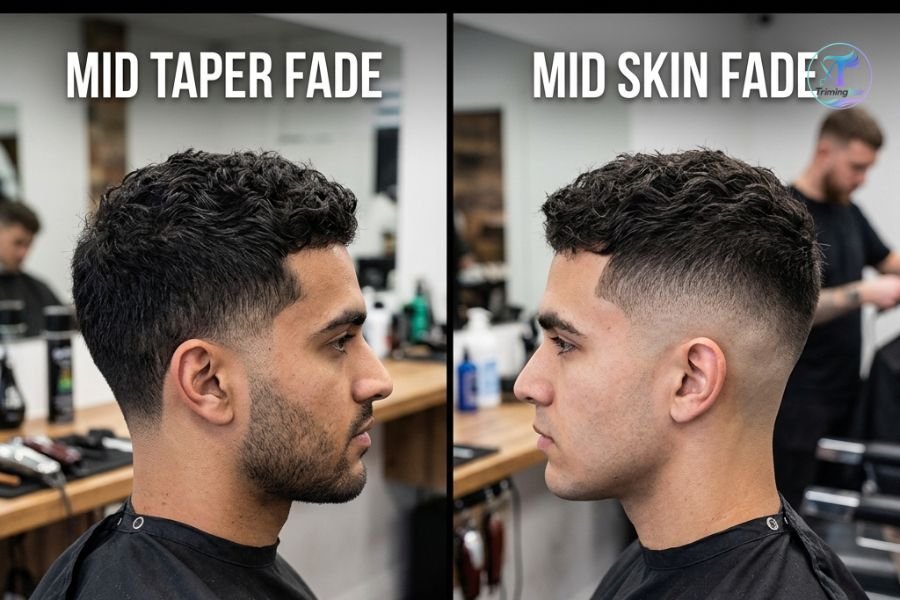
A mid taper fade leaves a small amount of length on the sides even at its shortest point, creating a softer, less stark transition than a skin fade. A mid skin fade, on the other hand, takes the sides all the way down to bare skin, producing much sharper contrast. Both start at the same mid height but look noticeably different up close.
The choice between the two often comes down to personal preference and maintenance tolerance. Taper fades grow out more gracefully and need less frequent touch-ups, while skin fades look crisper immediately after a cut but require more regular visits to keep that sharp edge. Neither is objectively better, it depends on lifestyle and how much upkeep someone wants to commit to.
The Best Mid Fades by Hair Texture
Hair texture plays a major role in how a mid fade will actually look once it grows in, which is why the same haircut can appear completely different on two people. Straight hair shows off crisp lines, while curly and coily hair naturally add volume and texture that changes the overall shape. Matching the right mid fade style to specific hair texture leads to much better results.
Below is a breakdown of how mid fades typically perform across the most common hair textures, along with which top styles tend to work best for each. This is worth reviewing before a barbershop visit, especially if bringing in a reference photo of someone with a different hair type than your own.
Straight Hair
Straight hair holds sharp lines exceptionally well, making it ideal for side parts, comb overs, and slicked-back styles paired with a mid fade. The lack of natural texture means styling products can create very defined, controlled shapes with minimal effort. Regular trims are important to keep the fade line looking crisp as straight hair grows.
Curly Hair
Curly hair adds natural volume and movement, which pairs beautifully with a mid fade that keeps the sides tidy while letting curls do the work on top. Styles like the curly hair fade or long curly top work especially well here. Product choice matters more with curly hair, since the right cream or gel can define curls without weighing them down.
Wavy Hair
Wavy hair sits nicely between straight and curly, offering natural texture without the tighter curl pattern that needs extra product to manage. Brushed forward waves and textured crops both take advantage of this natural movement when paired with a mid fade. Minimal styling is usually needed, just a light product to enhance the natural wave pattern.
Coily Hair
Coily hair, often Type 4, pairs strongly with mid fades that leave more length and volume on top, like an afro top or short twists. The fade provides clean contrast against the density and volume that coily hair naturally has. Moisturizing products are especially important here to keep the top hydrated and well-defined between cuts.
Thick Hair
Thick hair can carry almost any top style since there’s enough density to create shape and hold volume without much product. A mid fade helps manage that thickness by removing bulk from the sides, balancing out the fuller top. Regular thinning or texturizing during cuts can also help keep thick hair from looking too heavy.
Fine or Thin Hair
Fine or thin hair benefits from shorter top lengths paired with a mid fade, since shorter styles create the illusion of more density. Buzz cuts, short textured crops, and Caesar cuts all work well for this texture. Heavier products should be avoided since they can weigh fine hair down and make it look flatter and thinner.
How To Ask Your Barber For A Mid Fade
Getting the mid fade you actually want starts with clear communication, and that begins well before you sit in the chair. Knowing the specific terminology, like skin versus taper, or drop versus burst, helps a barber understand exactly what you’re picturing instead of guessing. A little preparation goes a long way toward avoiding a disappointing result.
It also helps to think through your hair type, face shape, and daily routine before the appointment, since these factors all influence which mid fade variation will actually suit you. The sections below break down exactly what to communicate and in what order, making the whole consultation process smoother for both you and your barber.
Decide Skin or Taper First
Before anything else, decide whether you want a skin fade that goes to bare skin or a taper fade that leaves a bit of length throughout. This single decision shapes the entire rest of the haircut and how often you’ll need to come back for touch-ups. Mentioning this clearly at the start of your appointment sets the right foundation.
Pick Your Variation
Once skin or taper is settled, choose a specific variation like a drop fade, burst fade, or standard straight fade to define the shape around your ear and hairline. Bringing a reference photo at this stage is extremely helpful, provided the person in the photo has similar hair to yours. This narrows down the technical execution significantly.
Talk About What’s Happening on Top
Be specific about the top length and style you want, whether that’s a textured crop, a quiff, curls left long, or something else entirely. Vague requests like “something modern” leave too much room for interpretation. The more detail you provide about length, texture, and desired styling direction, the closer the result will match your expectations.
Be Honest About Your Maintenance Reality
Tell your barber realistically how often you’re willing to come in for touch-ups and how much time you spend styling your hair each morning. A skin fade with an intricate design looks great but demands frequent visits, while a taper with a simple top style is far more forgiving. Matching the cut to your actual lifestyle prevents frustration later.
Stop Trying to Sound Like a Barber
You don’t need to memorize every technical term to get a great haircut, and forcing unfamiliar language can actually cause miscommunication if used incorrectly. Focus on clear descriptions, reference photos, and honest answers to your barber’s questions instead. A good barber will translate your preferences into the right technique without you needing to speak their language perfectly.
How Often To Get A Mid Fade
Mid fades require more frequent maintenance than a basic haircut because the contrast between short and long hair starts to blur as hair grows out. Most men find they need a fresh cut or touch-up every two to three weeks to keep the fade looking sharp. Waiting much longer usually means the defined line disappears entirely.
That said, maintenance frequency depends heavily on which variation you’ve chosen and how much contrast you’re comfortable losing between visits. A skin fade with a design needs far more attention than a soft taper fade with a simple top style. The sections below break down realistic scheduling expectations for different scenarios.
Cut Cadence by Variation
Skin fades and fades with shaved designs typically need touch-ups every two weeks to stay crisp, while taper fades can often stretch to three or even four weeks before looking noticeably grown out. Burst and drop fades fall somewhere in between depending on how sharp the original line was cut. Knowing your specific variation helps set realistic scheduling expectations.
The Math Most Guys Get Wrong
Many men underestimate how quickly a fade grows out because hair growth near the temples and sides often happens faster than on top. What looks like a two-week grow-out window can actually start losing definition after just ten to twelve days for some hair types. Tracking your own growth pattern over a few cycles helps set a more accurate personal schedule.
Touch-Up Visits
A quick touch-up visit, focused only on refreshing the fade line without touching the top length, is often cheaper and faster than a full haircut. Many barbershops offer this as a distinct service specifically for fade maintenance. Booking these mid-cycle keeps the fade looking sharp without fully committing to a new haircut every time.
Schedule Around Events
If you have an important event coming up, like a wedding or interview, it’s best to get your mid fade cut three to four days beforehand rather than the day of. This allows the sharp, just-cut look to settle slightly and appear more natural in photos. Cutting too close to the event can sometimes look overly fresh or harsh.
How To Style A Mid Fade
Styling a mid fade day-to-day depends heavily on the top style you’ve chosen, but a few core habits apply across nearly every variation. Keeping the faded sides clean, using the right product for your top texture, and maintaining a consistent morning routine all contribute to the haircut looking its best between barbershop visits. None of this requires an excessive amount of time or product.
The sections below cover the specific routine elements worth paying attention to, from daily upkeep to matching your beard with your chosen fade style. Getting these details right extends how good your haircut looks well beyond the day you leave the barbershop.
The Everyday Routine
A basic daily routine for most mid fade styles involves washing with a gentle shampoo a few times a week, applying a small amount of product while hair is slightly damp, and styling with fingers or a comb depending on the look. This whole process usually takes under five minutes once you’ve settled into a rhythm. Consistency matters more than complexity here.
Product by Top Style
Textured crops and curly tops generally do best with lightweight creams or clay that define without adding shine, while slicked-back styles and side parts need a stronger-hold pomade. Quiffs and faux hawks typically require a paste or wax for lift and hold throughout the day. Matching product to top style prevents both flatness and excessive stiffness.
Keep the Faded Skin Clean
The faded portion of the haircut benefits from occasional exfoliation and moisturizing, since bare or very short skin can dry out or develop irritation, especially for men who shave close to the skin. A light, unscented lotion applied after showering helps keep this area looking healthy. This small habit noticeably improves how sharp and clean the fade appears.
Match the Beard
If you wear a beard alongside your mid fade, keeping the fade height and beard fade in sync creates a much more cohesive overall look. A mismatched, sharply contrasting beard line against a soft fade can look disjointed. Most barbers will blend both during the same appointment if asked, so mention this upfront during your visit.
Common Mid Fade Mistakes To Avoid
Even a well-executed mid fade can end up looking worse than intended if a few common mistakes creep into the maintenance routine or the initial consultation. Most of these issues come down to communication gaps or unrealistic expectations about upkeep rather than the haircut itself being a poor choice. Being aware of them ahead of time helps avoid a disappointing result.
The mistakes below are the ones barbers see most often, ranging from neglecting touch-up visits to bringing in reference photos that don’t match your actual hair type. Avoiding these pitfalls goes a long way toward keeping your mid fade looking sharp and intentional for longer.
Getting a Mid Skin Fade and Disappearing for Six Weeks
A skin fade looks its sharpest for roughly the first two weeks, after which regrowth starts to soften the contrast significantly. Waiting six weeks between visits means spending most of that time with a fade that no longer looks defined. If a skin fade is what you want, committing to a more frequent schedule is part of the deal.
Skipping the Line Up at the Front
The hairline and edges around the front of the haircut frame the whole face, and skipping a line up here can make even a great fade look unfinished. This quick step takes barbers only a minute or two but makes a noticeable difference in overall sharpness. Always confirm whether a line up is included in your service.
Pairing the Wrong Top with the Fade
Not every top style suits every fade height or face shape, and choosing a mismatched combination can throw off the entire haircut’s balance. A very high-volume top on a smaller frame, for instance, might overwhelm the face. Discussing proportion with your barber before committing to a specific top style helps avoid this issue.
Trying to Do Touch-Ups at Home
Home clippers and mirrors make it tempting to maintain a fade between professional visits, but blending a fade smoothly requires skill that’s difficult to replicate without training. A botched at-home touch-up often creates visible lines or uneven sections that a barber then has to correct. It’s usually worth the cost of a professional touch-up instead.
Bringing a Reference Photo of Someone with Completely Different Hair
A reference photo is helpful, but only if the person in it has a similar hair type, density, and growth pattern to your own. A straight-hair reference photo won’t translate accurately onto curly or coily hair, and vice versa. Choosing a reference with comparable hair texture leads to a far more accurate final result.
Asking for It Shorter Than You Actually Want
It’s common for men to ask for a fade shorter than they actually want out of habit or uncertainty, only to regret it once it’s already cut. Since hair takes time to grow back, this mistake can mean weeks of an unwanted look. Being upfront about length preferences, even if it means asking a few extra questions, prevents this regret.
Frequently Asked Questions
How long does a mid fade last before it needs a touch-up?
Most mid fades start losing their sharp definition after two to three weeks, depending on how fast your hair grows and which variation you chose. Skin fades and designs need more frequent visits than soft tapers. Booking a touch-up around the two-week mark usually keeps the cut looking its best.
Is a mid fade a good choice for thick or curly hair?
Yes, mid fades work especially well with thick or curly hair because the fade removes bulk from the sides while letting natural texture and volume stand out on top. Styles like the curly hair fade or broccoli cut were built specifically with this texture in mind. It’s actually one of the more forgiving fades for textured hair.
What’s the difference between a mid fade and a mid taper?
A mid fade is the general category based on where the fade starts, while a mid taper specifically refers to leaving a small amount of length on the sides instead of going down to bare skin. All mid tapers are mid fades, but not all mid fades are tapers, some go all the way to skin instead.
Can I get a mid fade if I have a receding hairline?
A mid fade can actually help disguise a receding hairline by drawing attention to the fade’s contrast rather than the hairline itself. Shorter top lengths paired with a mid skin fade tend to work particularly well here. A skilled barber can also adjust the fade height slightly to flatter a changing hairline.
How do I explain a mid fade to a new barber?
The clearest approach is to specify skin or taper, name a variation like drop or burst fade, describe your desired top length and style, and bring a reference photo of someone with similar hair to yours. This combination of details leaves little room for miscommunication, even with a barber you haven’t worked with before.
Conclusion
The mid fade has earned its spot as one of the most requested haircuts in barbershops for good reason: it’s sharp without being high-maintenance, adaptable across hair types, and flexible enough to pair with dozens of different top styles. Whether you’re drawn to a clean skin fade with a textured crop or something bolder like an Edgar cut or mohawk with a burst fade, there’s a variation on this list built for your hair and your routine.
The key to getting it right comes down to clear communication with your barber, realistic expectations about maintenance, and choosing a top style that actually suits your face shape and hair texture. With those pieces in place, a mid fade is one of the easiest ways to keep your look sharp, current, and low-effort between visits.


Leave a Reply