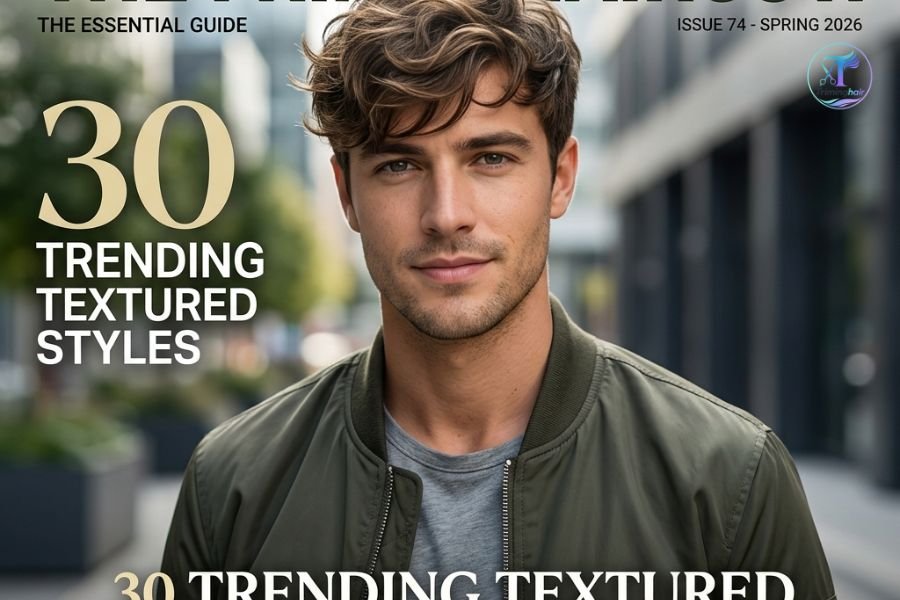
The fringe haircut has become one of the most requested cuts in barbershops heading into 2026, and it shows no sign of slowing down. From sharp, tapered fades to soft, curly finishes, the fringe haircut male trend proves that a little length up front can completely transform an otherwise simple cut. It’s a style that works across ages, hair types, and lifestyles, making it one of the more adaptable trends in modern men’s grooming.
In this guide, we’re breaking down 30 of the most popular fringe styles trending right now, from a heavy fringe haircut man look to a subtle fringe short haircut men can wear to the office. We’ll also cover exactly what a fringe haircut is, how to style one step by step, and how your natural hairline and growth pattern can shape the final result. Whether you’re chasing a taper fringe haircut, a low-fade finish, or something a little more textured, there’s a version of this cut waiting for you below.
Popular Men’s Fringe Haircut Styles
The fringe haircut male trend has taken over barbershops in 2026, and it’s easy to see why. From clean-cut lines to messy, textured fringe haircut curly finishes, there’s a version of this cut for every hair type, face shape, and personal style. Barbers are pairing fringes with fades, mullets, crops, and mohawks to keep the look fresh and modern.
What makes the fringe haircut so versatile is how easily it adapts to length and texture. Whether you want a heavy fringe haircut man look with thick, blunt strands or a soft, side-swept piece that barely grazes the brow, the fringe can be tailored to match your daily styling routine and hair density.
Long Fringe
A long fringe drapes well past the eyebrows, giving a dramatic, editorial edge to the overall haircut. It works best on straight to slightly wavy hair that has enough length to sweep across the forehead without losing shape. This style pairs beautifully with longer layers on top for a cohesive, flowing silhouette. Regular trims are key to keeping the ends from looking blunt or overgrown.
Side Fringe
The side fringe is swept diagonally across the forehead instead of falling straight down, softening the face and adding movement. It’s a low-maintenance option that suits nearly every hair texture, from fine to thick. A light styling cream is usually enough to hold the direction in place all day. This is a great entry point for anyone new to the fringe haircut trend.
Textured Short Shag with Wavy Fringe
This shag combines choppy, uneven layers throughout the top with a soft wavy fringe that falls naturally over the forehead. The result is an effortless, lived-in look that thrives on natural texture rather than heavy styling. It’s especially flattering on men with natural waves or a slight curl pattern. A matte paste helps define the layers without weighing the hair down.
Modern Mullet Fade with Fringe
Blending a classic mullet silhouette with a tapered fade and a soft fringe up front creates a bold contrast between short and long. The fringe softens the mullet’s edgier reputation, making it more wearable for everyday settings. This cut needs regular fade maintenance to keep the transition crisp. It’s a standout choice for anyone wanting a retro cut with a contemporary twist.
Messy Fringe with Tapered Sides
This look keeps the top deliberately tousled while the sides taper down cleanly, creating balance between texture and precision. The messy fringe is achieved by scrunching a texturizing product into damp hair and letting it dry naturally or with a diffuser. It works well for thick or medium-density hair that holds shape easily. The tapered sides keep the overall style neat despite the relaxed top.
Messy Medium Curls with Thick Fringe
For men with natural curls, this style embraces volume by growing the top out into medium-length curls with a thick fringe haircut curly finish framing the face. Curl-defining cream applied to damp hair enhances the natural pattern without unwanted frizz. The thickness of the fringe adds structure to otherwise loose curls. This cut requires minimal daily effort since the curls do most of the styling work.
Curtain Fringe
The curtain fringe parts down the middle and falls symmetrically on either side of the forehead, framing the face like drawn curtains. It’s a nostalgic style that has made a strong comeback with a more polished, modern execution. Straight to slightly wavy hair holds the part best. A light-hold product keeps the strands separated without looking greasy.
Fluffy Top with Jagged Bangs
This style piles volume on top while the bangs are cut with an intentionally jagged, uneven edge for a rugged finish. It photographs well thanks to the contrast between soft fluffiness and sharp bang lines. A volumizing spray at the roots before blow-drying helps achieve the lift. It’s a great option for fine hair that needs a texture boost.
Fringe with Part
Adding a defined part to a fringe haircut instantly makes the style look sharper and more intentional. The part can sit on either side and works with most hair lengths, from short crops to medium layers. A comb and light pomade are usually all that’s needed to set the part in place. This is a versatile choice for both casual and formal settings.
Modern Mod with Long Choppy Fringe
Inspired by 1960s mod culture, this cut features a rounded silhouette with a long, choppy fringe cut just above the eyes. The choppy ends give it a modern edge that keeps it from feeling costume-like. It suits thick, straight hair that can hold the mod shape without excessive product. Regular trims are essential to maintain the sharp fringe line.
Textured Spiky Hair with Taper Fade
This style combines short, spiked texture on top with a clean taper fringe haircut fade along the sides for contrast. A strong-hold matte wax is worked through damp hair and pushed upward to create defined spikes. The taper fade keeps the sides neat and low-maintenance between cuts. It’s a sharp, energetic look suited to short to medium hair lengths.
Textured Wavy Crop
The textured wavy crop keeps the top short with natural movement and a light fringe grazing the forehead. It relies on natural or enhanced waves rather than heavy layering for its texture. A sea-salt spray can boost natural wave pattern before styling. This crop is ideal for men wanting a low-effort, everyday-friendly fringe haircut.
Straight Fringe Fade
A straight, blunt fringe paired with a fade creates striking contrast between crisp lines and gradual tapering. The fringe is usually cut with sharp precision to sit evenly across the brow line. This style suits thick, straight hair that holds a clean edge well. Frequent barber visits keep both the fringe and fade looking sharp.
Textured Fringe with Low Taper Fade
This combination softens the classic fringe with added texture on top while the low taper fade keeps the sides subtle and gradual. It’s a fringe haircut low fade option that works in both casual and professional environments. A matte clay adds texture without shine for an all-day natural finish. The low fade makes it easier to grow out between appointments.
Messy and Layered
Layered cuts with a messy fringe rely on varied lengths throughout the top to create depth and volume. This style works particularly well on medium to thick hair that can support multiple layers without falling flat. Air-drying with a light texturizing spray brings out the natural messiness. It’s a relaxed, everyday cut that still looks deliberately styled.
Angular
Angular fringe cuts use sharp, geometric lines instead of soft, rounded edges for a bold, architectural look. The fringe is often cut at a steep diagonal to emphasize cheekbones and jawline. This style suits men who want a distinctive, editorial appearance rather than a classic silhouette. Precision cutting is essential, so it’s best left to an experienced barber.
Classy Side Swept Fringe
This polished take on the side fringe uses a slightly longer length and a glossy finish for a refined, business-appropriate look. It works well for formal occasions as well as daily office wear. A light-hold pomade with shine keeps the fringe swept neatly to one side. This is one of the more elegant, low-key fringe haircut male options available.
Thick Wavy Fringe
Built for men with naturally dense hair, the thick wavy fringe embraces volume and movement rather than fighting it. It creates a strong visual statement without requiring an especially long cut. A lightweight cream helps define waves while keeping the thickness from looking bulky. This style pairs well with tapered or faded sides to balance the volume on top.
Burst Fade Mohawk with Straight Fringe
This bold style pairs a burst fade around the ears with a raised mohawk section and a straight fringe at the front. It’s an eye-catching combination that suits men wanting a more daring, statement-making cut. The mohawk section needs regular styling with strong-hold product to stay upright. This look demands frequent maintenance to keep the fade crisp.
Fringed Crop with High Taper Fade
The fringed crop keeps hair short and textured on top while a high taper fade creates dramatic contrast along the sides. It’s a clean, modern silhouette that works for both casual and professional settings. Matte paste applied sparingly keeps the crop textured without excess shine. This is a popular fringe short haircut men choice for its low-maintenance versatility.
Also Like To Read This: Types of Fade Haircuts: 7 Stylish Examples for Men in 2026
Full Textured Fringe
A full textured fringe covers the entire forehead with thick, tousled strands for maximum coverage and volume. It’s particularly flattering for men wanting to soften a prominent hairline or forehead. Scrunching a texturizing paste into damp hair while drying enhances the natural fullness. This style works across most hair types, from straight to wavy.
Edgy Fringe with Fade
Combining choppy, undone fringe texture with a sharp fade gives this cut an edgier, streetwear-inspired feel. The contrast between rough texture on top and clean lines on the sides makes it visually striking. A matte fiber product adds grip and separation to the fringe strands. It’s a great option for men who want a fringe haircut with more attitude.
Short Messy Mod
This shorter take on the mod haircut keeps the fringe cropped just above the brow while maintaining a rounded, tousled silhouette. It’s easier to maintain than longer mod styles since there’s less length to manage daily. A small amount of matte wax is enough to keep the texture intact. It suits men who like the mod aesthetic but prefer lower upkeep.
Short, Straight Fringe
A short, straight fringe sits neatly just above the eyebrows with minimal texture or movement. It’s a clean, classic option that works well for thinner hair types that don’t hold heavy texture easily. Minimal product is needed since the style relies on a precise cut rather than styling. This is an easy, everyday-friendly fringe suited to most face shapes.
Jagged Bangs
Jagged bangs use deliberately uneven, razor-cut ends to create a rougher, more textured fringe line. This technique adds visual interest without requiring extra length or heavy styling product. It works particularly well on thicker hair that can hold the choppy shape. The jagged edge also makes regrowth less noticeable between trims.
Long Mod Cut
The long mod cut extends the classic 60s silhouette with additional length through the fringe and top layers. It creates a softer, more flowing version of the traditional mod style. Straight, thick hair holds this shape best without excessive product buildup. Regular trims keep the proportions balanced as the hair grows.
Messy Waves
This style lets natural or enhanced waves take center stage, with a soft fringe blending into the overall tousled texture. It’s one of the more relaxed, beach-inspired fringe haircut looks available. A texturizing spray on damp hair before air-drying brings out natural movement. It suits men with naturally wavy hair who prefer minimal daily styling.
Modern Brush Forward with Low Taper Fade
The brush forward technique pushes hair down and forward to create a soft, rounded fringe that blends into a low taper fade. It’s a subtle, understated style that works well in professional settings. A light pomade or cream is brushed forward while the hair is damp to set the direction. This cut is a great transitional option for men easing into the fringe trend.
Low Fade with Textured Fringe
This pairing keeps the sides barely tapered while the top features a textured, tousled fringe for contrast. It’s another strong fringe haircut low fade option that offers subtlety over drama. A matte clay or paste adds texture without excessive hold. The low fade makes this cut especially easy to maintain between barber visits.
Crew Cut Fade with Fringe
A modern twist on the traditional crew cut, this style keeps the sides faded short while leaving enough length on top for a light fringe. It’s a practical, tidy option for men who want a fringe without much extra length to manage. Minimal styling product is needed thanks to the shorter overall length. This is a popular fringe short haircut men pick for active lifestyles.
Loose Curls
This style allows natural curls to grow out fully, with a fringe haircut curly finish framing the forehead in loose ringlets. Curl cream applied to soaked hair helps define the pattern while reducing frizz. It works best when curls are left to air-dry rather than heat-styled. This cut celebrates natural texture with very little daily maintenance required.
Pulled Forward Waves with Taper
Waves are styled forward toward the face rather than swept back, creating a soft fringe effect along the hairline paired with tapered sides. This look works particularly well for men with a natural wave pattern and medium hair density. A lightweight cream helps guide the waves forward without stiffness. The tapered sides keep the style from looking overly heavy.
What Is A Fringe Haircut For Men?
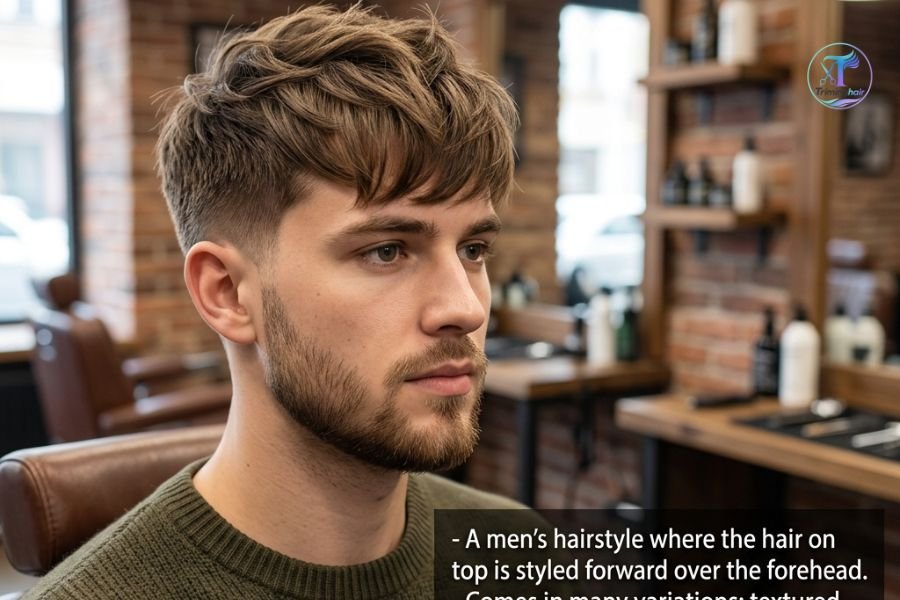
A fringe haircut is any style where the top section of hair is cut and styled to fall forward over the forehead, rather than being pushed back or off the face. Unlike a traditional bang, a men’s fringe is typically paired with textured, layered, or faded sides to keep the look masculine and modern. The fringe length can range from a barely-there wisp to a full, heavy fringe haircut man style that covers most of the forehead.
This cut has surged in popularity because of its adaptability across hair types, from straight and fine to thick and curly. It can be dressed up for the office with a sleek side part or worn messy and undone for a casual, everyday look. Because the fringe sits at the front of the face, it also plays a big role in shaping how the forehead, brow, and overall face proportions appear.
How To Style A Men’s Fringe
Styling a fringe haircut doesn’t require a long routine, but a few consistent steps make a noticeable difference in how the finished look holds up throughout the day. The right combination of prep, product, and technique determines whether the fringe looks intentional or simply grown-out. Most of these steps take only a few extra minutes once they become part of a regular routine.
Since fringe styles vary so much, from a fringe haircut boys might wear to school to a polished, side-swept version for the office, the approach should be adjusted based on hair type, length, and desired finish. The steps below apply broadly, whether the hair is straight, wavy, or curly.
1. Start with Clean, Slightly Damp Hair
Freshly washed hair holds product and shape far better than hair with a day or two of oil buildup. Towel-dry the hair until it’s damp rather than soaking wet, since overly wet hair makes it harder to control the fringe’s direction. This starting point gives styling products something clean to grip onto. It also helps prevent the fringe from looking flat or greasy later in the day.
2. Use A Texturizing Styling Product
A texturizing cream, paste, or clay adds grip and definition without making the hair feel stiff or crunchy. Apply a small amount evenly through the fringe section before shaping it, since too much product can weigh the hair down. The right product depends on hair type: lighter creams for fine hair, thicker pastes for coarse or curly strands. This step is what separates a styled fringe from one that simply falls into place on its own.
3. Blow-Dry In The Direction You Want It To Sit
Using a round brush or fingers, direct the fringe forward, to the side, or into a center part while blow-drying on a medium heat setting. This trains the hair to naturally fall in the desired direction even after the initial styling wears off. Cooler air at the end of the blow-dry helps lock the shape in place. Skipping this step often leads to a fringe that looks unstructured by midday.
4. Refine with A Finishing Product
Once the fringe is dry and shaped, a small amount of pomade, wax, or hairspray helps lock in the style and add the desired finish, whether matte or slightly glossy. This step is especially useful for taming flyaways or adding extra hold in humid conditions. A little goes a long way, so it’s best to start light and build up if needed. This final touch keeps the fringe looking fresh for hours.
5. Maintain The Cut
Regular trims every three to five weeks keep the fringe from growing out unevenly or losing its intended shape. Between appointments, a light trim of stray strands with sharp scissors can help maintain the line at home. Keeping up with maintenance also makes daily styling faster, since the length stays consistent. A well-maintained fringe haircut looks polished with far less daily effort than one that’s overdue for a cut.
Fringe Haircut Male
The fringe haircut male trend has grown well beyond a single look, covering everything from clean, short crops to longer, more textured pieces up top. What ties all these variations together is the forward-falling section of hair across the forehead, which instantly changes the overall shape and feel of a haircut. It’s a style choice rather than a single cut, which is why it shows up across so many different lengths, textures, and fade combinations.
Part of the reason this trend has stuck around is how easily it adapts to personal style and daily routine. A man who wants a low-maintenance look can keep the fringe short and barely styled, while someone chasing a bolder statement can grow it out and pair it with a sharp fade or mohawk. This flexibility is what keeps the fringe haircut male trend relevant season after season.
Heavy Fringe Haircut Man
A heavy fringe haircut man style is built around thickness and coverage, with the fringe sitting low and full across the forehead rather than being thinned out or swept aside. This look works best on men with naturally dense hair, since thinner hair can struggle to hold the same blunt, weighty finish. It’s a bold choice that draws attention to the top of the haircut, often paired with simpler, less busy sides to keep the focus there.
Maintaining a heavy fringe requires slightly more attention than lighter styles, since the weight of the hair can cause it to fall unevenly if it’s not trimmed regularly. A texturizing product applied sparingly helps keep the ends separated instead of looking like one solid block. Despite the extra upkeep, this style remains a favorite for men who want their fringe to make a strong first impression.
Fringe Short Haircut Men
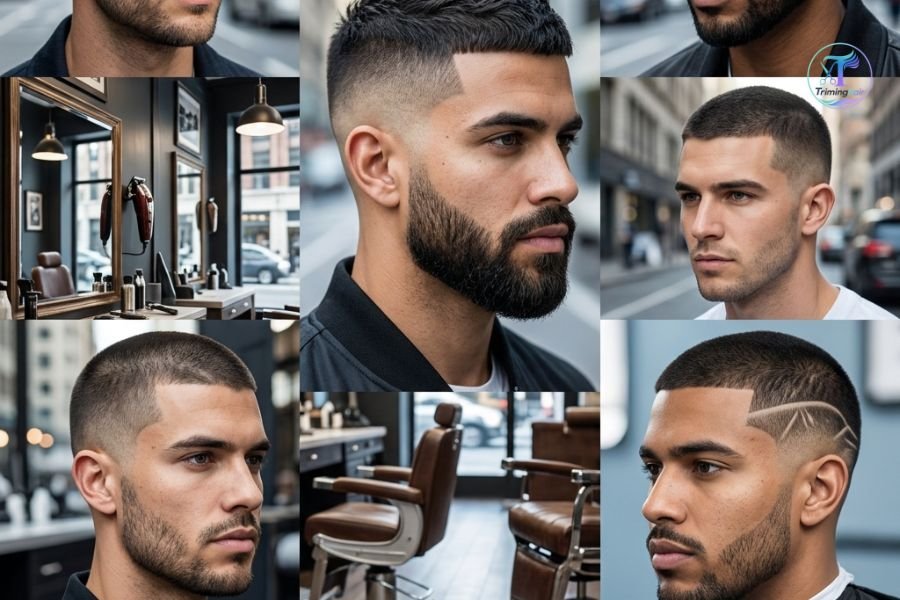
For men who prefer shorter hair overall, a fringe short haircut men style proves that you don’t need length to pull off this trend. These cuts typically pair a cropped fringe with faded or tapered sides, keeping the entire look tight and manageable. It’s a practical option for anyone with an active lifestyle or a workplace that calls for a more conservative cut.
Because the fringe itself is shorter, styling takes only a minute or two each morning, often requiring nothing more than a small amount of paste worked through damp hair. This makes it one of the easiest fringe variations to maintain day to day. It’s also a forgiving option for hair that grows out quickly, since a shorter fringe shows less noticeable regrowth between trims.
Taper Fringe Haircut
A taper fringe haircut pairs a soft, gradual fade along the sides and back with a fringe left longer on top for contrast. The gentle transition of a taper feels less dramatic than a sharper fade, making it a versatile choice for both casual and professional settings. It’s often the go-to recommendation for men trying a fringe for the first time, since the overall look stays understated.
This combination also tends to grow out gracefully, since the soft blend of a taper doesn’t create a hard line that becomes obvious after a few weeks. Barbers often suggest a taper fringe haircut to clients who want lower-maintenance upkeep between appointments. It remains one of the most requested fringe pairings for men who want a clean, adaptable everyday cut.
Fringe Haircut Curly
A fringe haircut curly style works with natural curl pattern rather than against it, letting the fringe fall in soft ringlets or waves across the forehead. Curly hair naturally adds volume and texture to the fringe, so less styling product is typically needed compared to straight hair types. The key is keeping the curls hydrated and well-defined so the fringe doesn’t turn frizzy throughout the day.
Curl-specific products, like defining creams or curl-enhancing gels, are usually applied to soaking wet hair and left to air-dry or diffuse for the best results. This approach helps the fringe hold its natural shape without becoming stiff or crunchy. Many barbers now specialize in cutting curly hair specifically to enhance how the fringe falls once it’s dry.
Fringe Haircut Low Fade
Pairing a fringe with a low fade keeps the fade subtle, starting just above the ears rather than higher up the head. This creates a softer overall transition compared to mid or high fades, making it a good option for more conservative or professional environments. The fringe haircut low fade combination lets the top do most of the visual work while the sides stay understated.
Because the fade sits so low, it also tends to grow out more gracefully than higher fades, meaning fewer trips back to the barber to maintain the line. This makes it a practical choice for men who want the modern look of a fade without committing to frequent touch-ups. It’s a combination that works well across most hair types and lengths on top.
Fringe Haircut Boys
While much of this guide focuses on adult styling, the fringe haircut boys wear tends to favor simplicity and low maintenance over intricate texture work. Shorter, straightforward fringes paired with basic tapers or trims are common choices, since they hold up well through active days and require little daily upkeep. Parents and barbers alike often prioritize durability and ease of care for younger clients.
That said, many of the same principles apply, from choosing a length that suits the hairline to using a gentle, kid-friendly styling product if any is used at all. A short, straight fringe is usually the easiest starting point for boys, since it needs minimal product and can be trimmed quickly. As with adult styles, working with the natural growth pattern helps the fringe sit well without extra effort.
How Your Hairline and Growth Pattern Affect A Fringe (From Your Barber’s Perspective)
Every fringe haircut is shaped by the hairline it’s built on, and no two hairlines behave exactly the same way. A widow’s peak, for example, often causes the fringe to split or point at the center, so barbers will usually cut extra length or add texture at that spot to disguise the peak. Cowlicks near the front hairline can also push hair in an unexpected direction, which is why a skilled barber checks the growth pattern before committing to a specific fringe shape or length.
Hair density and growth direction also determine how low or heavy a fringe can realistically sit. Fine, sparse hairlines usually can’t support a thick, blunt fringe without looking thin or patchy, so barbers often recommend a softer, textured edge instead. Thicker growth patterns, on the other hand, can handle a heavier, more structured fringe without extra styling effort. A good barber will always assess the hairline first, since building a fringe around its natural growth pattern is what makes the final cut look effortless rather than forced.
Frequently Asked Questions
Is a fringe haircut still in style for men in 2026?
Yes, the fringe haircut remains one of the strongest trends in men’s grooming this year. Barbers are continuing to pair it with fades, mullets, and textured crops, which keeps the style feeling current rather than dated. Its ability to suit nearly any hair type is a big reason it has stayed popular for several seasons running.
Does a fringe haircut work with curly hair?
Absolutely. A fringe haircut curly finish simply lets the natural curl pattern frame the forehead instead of forcing the hair straight. Curl-defining cream applied to damp hair usually gives the best, most natural-looking results. Many of the curlier styles on this list, like loose curls or messy medium curls, are built specifically around this texture.
What’s the difference between a fringe haircut and regular bangs?
While the terms are often used interchangeably, a men’s fringe is typically shorter and paired with textured or faded sides, giving it a more masculine, structured finish than traditional bangs. Bangs also tend to be cut straight across, while a fringe is often layered, side-swept, or tapered for movement. The overall styling approach and product choice also differ slightly between the two.
How often should I get a fringe haircut trimmed?
Most fringe styles need a trim every three to five weeks to keep their shape, especially heavier or blunt-cut fringes that grow out noticeably fast. Textured or messy fringes can sometimes stretch a little longer between visits since a slightly grown-out look still fits the style. Keeping up with regular trims also makes daily styling quicker and more predictable.
Can a fringe haircut suit any face shape?
Yes, though the specific style should be adjusted based on face shape and hairline. A side-swept or textured fringe tends to suit rounder faces, while a straighter, fuller fringe can balance a longer face shape. This is another reason it’s worth discussing your hairline and growth pattern with your barber before committing to a specific fringe style.
Conclusion
The fringe haircut has earned its place as one of the defining men’s hairstyle trends of 2026, offering enough variety to suit virtually any hair type, face shape, or lifestyle. Whether you’re drawn to a bold burst fade mohawk with a straight fringe or prefer the understated charm of a classy side-swept style, there’s an option on this list built for you. The key to making any fringe haircut work is understanding your natural hairline and growth pattern, using the right styling products, and staying consistent with trims.
If you’re ready to make the switch, bring a few of these styles to your next barber appointment as reference points. A good barber will know how to adapt the cut to your specific hair texture and hairline, turning any of these looks into a fringe haircut that feels custom-made for you.

Leave a Reply